The key facts
- Iranian Foreign Ministry spokesman Esmaeil Baghaei said no new US proposal had been submitted — the previous two-day plan remains in force
- Iran's demands: lifting the naval blockade, ending the war, unfreezing assets and revoking recent sanctions
- Iran confirmed its NPT membership and an IAEA inspectors' visit to the Bushehr nuclear power plant
Tehran insists on its previous plan
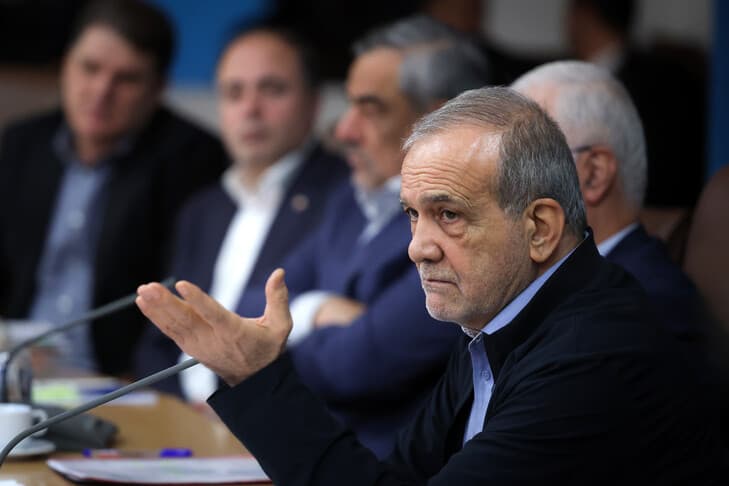
Iran said on Monday that its two-day proposal to the United States concerning the Strait of Hormuz remains the 'most practical roadmap' for restoring security in the strategic waterway, and that progress depends on Washington's political will. Iranian Foreign Ministry spokesman Esmaeil Baghaei, at his weekly briefing stressed that Tehran has not put forward any new proposal — the previous plan, which sets clear timeframes for de-escalation, remains on the table. According to him, the plan demonstrates Iran's central role in ensuring the security of the strait and the Persian Gulf. This was reported by the Tasnim agency, citing the briefing as retold by Anadolu.
Demands and reference to the memorandum
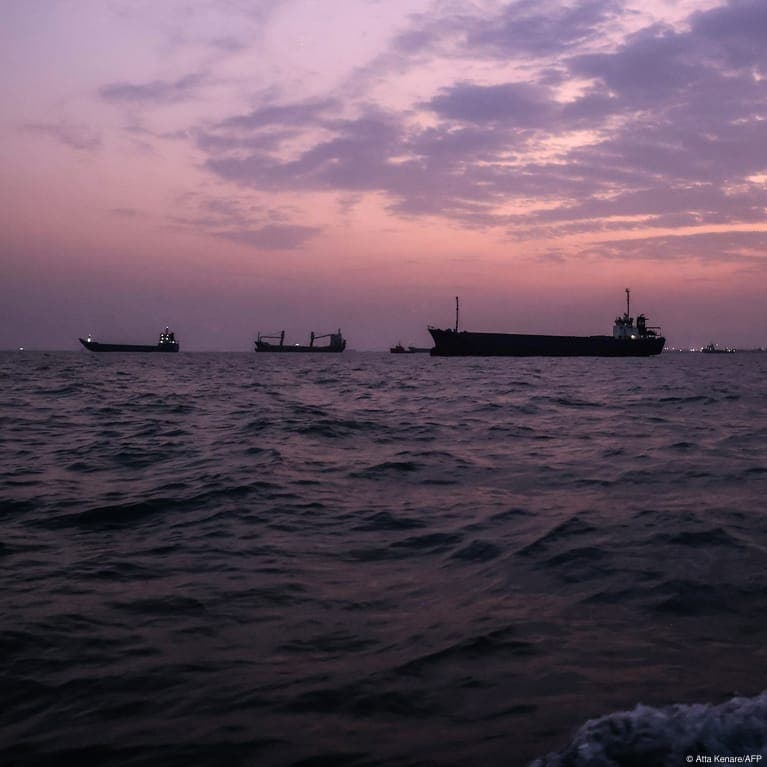
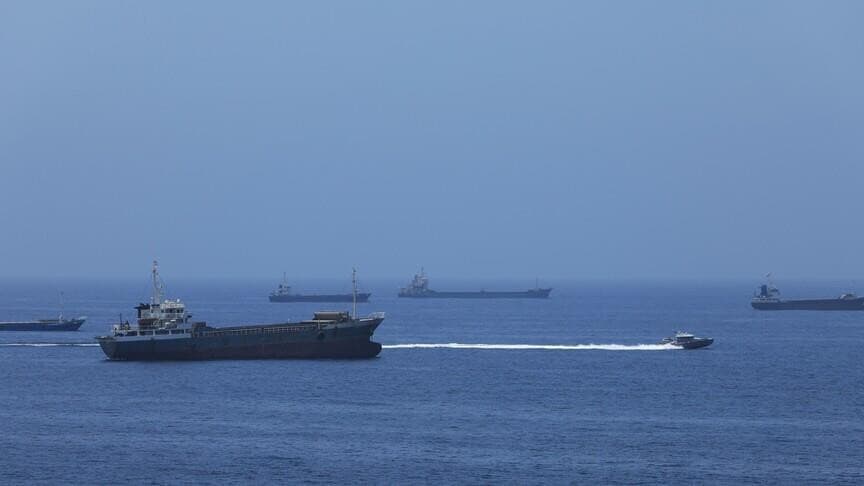
Baghaei listed Iran's conditions: lifting the American naval blockade, ending the war, unfreezing Iranian assets and revoking the sanctions imposed in recent months. According to him, these demands had already been accepted by Washington under the 14-point Islamabad Memorandum, but the US subsequently violated its commitments — this claim remains the Iranian side's assessment. Tehran, Baghaei said, will sign and implement only an agreement that fully protects Iran's national interests and legitimate rights. He also noted regular consultations with the mediators — Pakistan and Qatar — and expressed gratitude for their diplomatic efforts. On maritime security, Baghaei added, all vessels passing through the strait must coordinate with the Iranian authorities; he blamed the recent instability on the military actions of the US and Israel.
The nuclear issue and context
Turning to the nuclear issue, Baghaei said that Iran remains a party to the Treaty on the Non-Proliferation of Nuclear Weapons (NPT) and has not suspended its obligations to the IAEA, but the US and Israeli attacks on Iranian nuclear facilities disrupted the normal application of safeguards, depriving Tehran of the ability to cooperate with the agency in the usual manner. He criticized the IAEA Board of Governors and its head Rafael Grossi for what he called an inadequate response to the attacks, and confirmed that the agency's inspectors visited the Bushehr nuclear power plant several days ago, while Iran's mission in Vienna maintains regular professional contact with the IAEA.
What is known about the context of the conflict
The statements came amid diplomatic efforts to revive the Iranian-American understanding reached through Pakistani mediation after the military conflict that began with US and Israeli strikes on Iran on February 28. The Islamabad Memorandum, agreed in June, provided for de-escalation, including arrangements on maritime security in the Strait of Hormuz, sanctions relief and a cessation of hostilities. However, as Anadolu notes, disagreements over implementation and renewed military clashes prevented a durable settlement, and shipping through the strait still faces restrictions. The material is based on a report by a single outlet and a retelling of the Iranian Foreign Ministry spokesman's remarks; the US position on these claims is not given in the source.