The key facts
- Trump declared that the US had 'won' and that all that remained was to 'finish' the conflict, but American strikes on Qeshm continue
- Trump said the US has 'won' and only needs to 'wrap up' the conflict, but American strikes on Qeshm continue
- Rubio reported no progress in the talks; Iran's Foreign Ministry rejected his assessments and set preconditions
- Even basic figures diverge: Trump says there were no losses, while the Pentagon counts 23 service members killed
- Even the basic figures differ: Trump says there were no losses, the Pentagon says 23 service members were killed
Trump's statement amid ongoing strikes
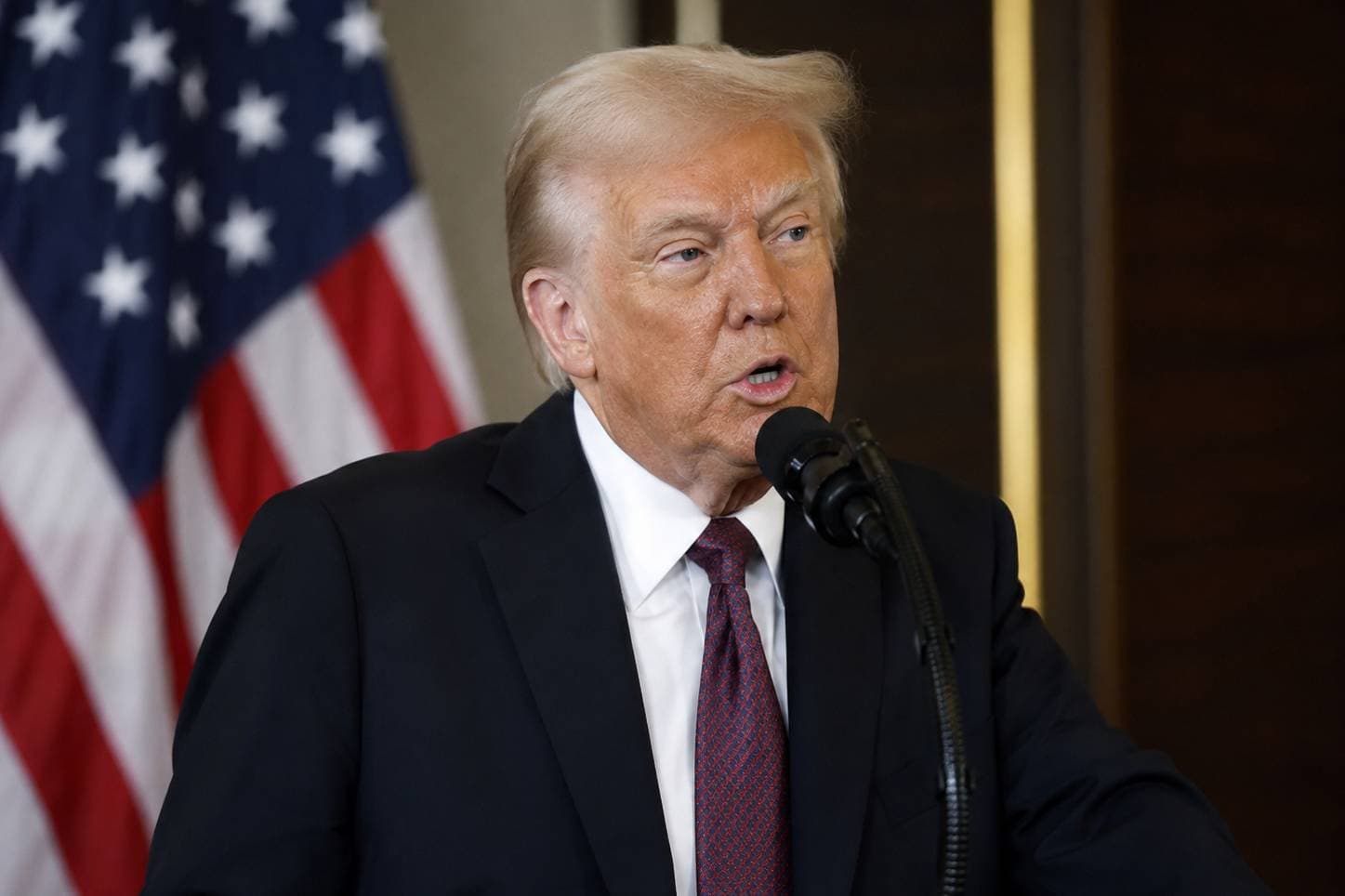
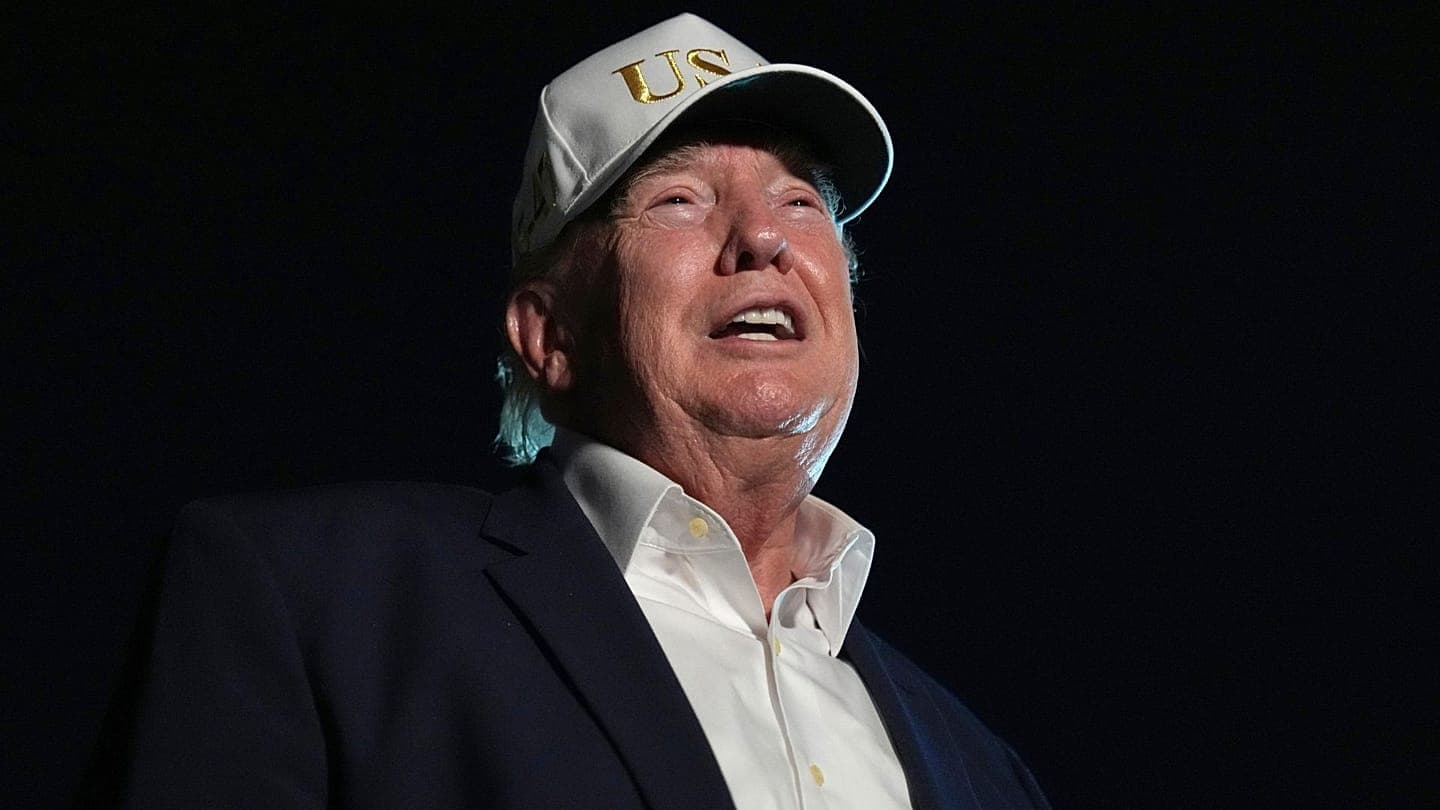
US President Donald Trump declared on Sunday, November 9, that the US had 'won' the war with Iran and called a resumption of hostilities 'highly unlikely.' 'We have won in Iran. All that remains is to finish it,' he said, reports euronews. His remarks came as American forces carried out another strike on Qeshm Island in the Strait of Hormuz; the Iranian Tasnim agency confirmed the impact of an American munition on the island and reported that other areas of Hormozgan province were unharmed.
Threats, inflation and diverging casualty figures
Trump said Iran was 'falling apart' financially and militarily, citing inflation of 301% over the year — even though official Iranian data put September inflation at nearly 90% year-on-year. He listed identified infrastructure targets, including power plants and bridges, saying the US had '38 bridges in its sights' that could be destroyed 'within an hour,' but added that he would be reluctant to do so, since rebuilding Iran's infrastructure could take a decade. The final decision on strikes, he said, depends on whether 'they sign a very strong agreement.' He also said the US was monitoring an undisclosed Iranian underground facility and could strike it within an hour if necessary, but that this was not currently needed. Notably, casualty estimates diverge even within the US government itself: Trump claims the US 'has not lost anyone,' while official Pentagon figures count 23 service members killed since the war began in late February.
The situation in the strait and the negotiating deadlock
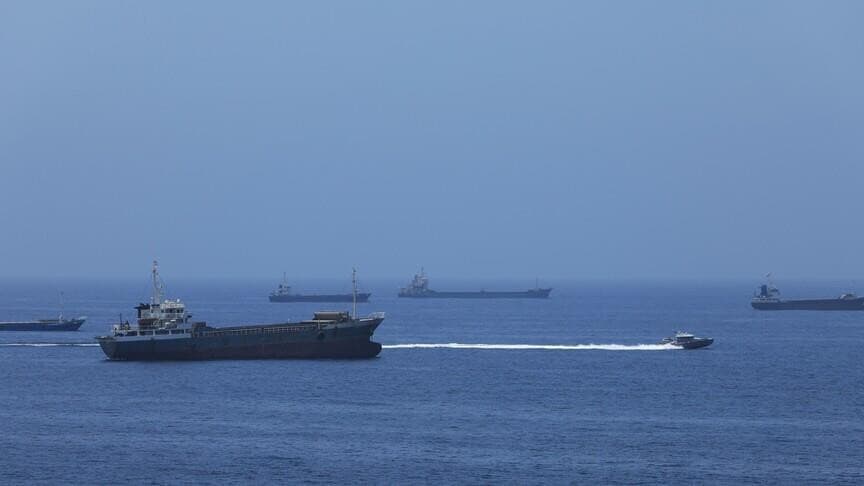
On Sunday evening, explosions were recorded in Mahshahr, on Qeshm, in Sirik and in Bandar Abbas. The Iranian navy earlier reported that an oil tanker struck a naval mine while passing through the strait and caught fire, traveling, according to Tehran, along a 'prohibited route' — Iran considers it a violation of its rules for vessels to transit the southern route under US Navy escort. The Islamic Revolutionary Guard Corps reported two tankers on fire, while CENTCOM command reported an attack on a commercial vessel in the Gulf of Oman which, according to its data, had repeatedly attempted to break the American naval blockade. CENTCOM also announced the creation of a new task force to prevent Iran from transferring weapons overland routes; Trump called its work part of 'the largest naval blockade in history.'
Exchange of statements around the talks
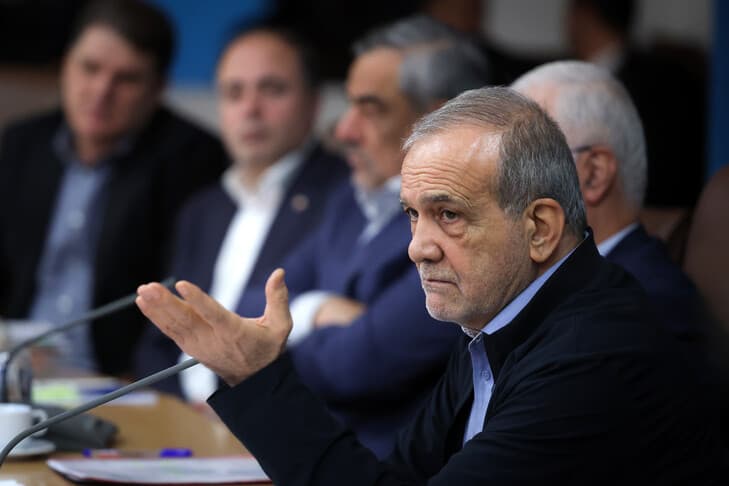
Secretary of State Marco Rubio said he saw no progress in the negotiations, called some of Iran's demands 'inflated, absurd and unrealistic,' and stressed that US actions in the strait are defensive in nature. 'I would not say we are on the verge of a breakthrough,' he noted. Iranian Foreign Ministry spokesman Esmaeil Baghaei rejected that characterization on Monday, saying that 'defending the rights and interests of the Iranian nation is not unreasonable,' and set preconditions for any talks: an end to sanctions, the naval blockade and the war on all fronts. According to him, Iran's two-day proposal for restoring security in the strait remains on the table. Iranian Foreign Minister Abbas Araghchi linked the pause in mediation to the Democrats' victory in the US midterm elections: the mediators had not traveled for several days while the political situation settled, and Washington, he said, must now choose between accepting Iran's terms and resuming the war.
Regional contacts
Amid conflicting signals, contacts with third countries have intensified. Qatar said that Trump discussed reducing regional tensions by phone with Emir Tamim bin Hamad Al Thani, while the White House said Trump will receive Qatar's Prime Minister Mohammed bin Abdulrahman Al Thani at the White House. Araghchi said that in recent days he has been in contact with counterparts from Saudi Arabia, the UAE, Oman, Pakistan, Kuwait, Jordan, Turkey, Cyprus and Qatar. In a CBS interview, Trump, for his part, said that Iran is close to an agreement, but that the midterm election results gave Tehran 'some hope,' and that he does not intend to escalate the war.