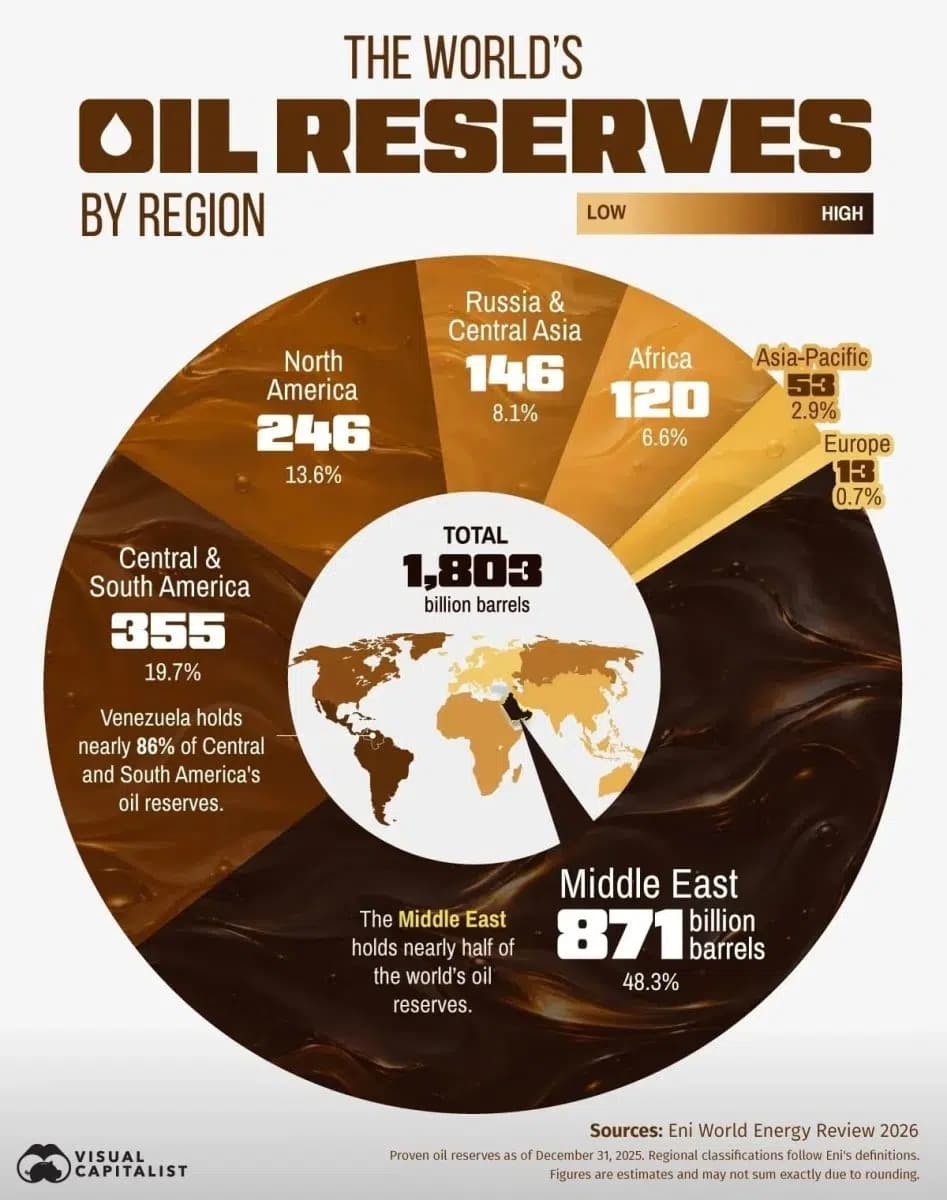
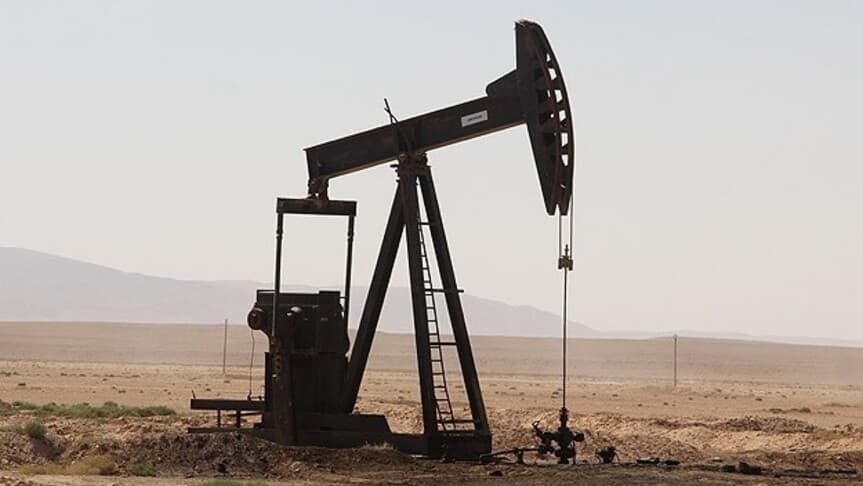
According to the Eni World Energy Review 2026 report cited by Kun.uz, the largest national oil reserves belong to Venezuela (303.4 billion barrels), not Saudi Arabia (267.2 billion). At the same time, North America remains the production leader, while the Middle East holds about half of the world's reserves.
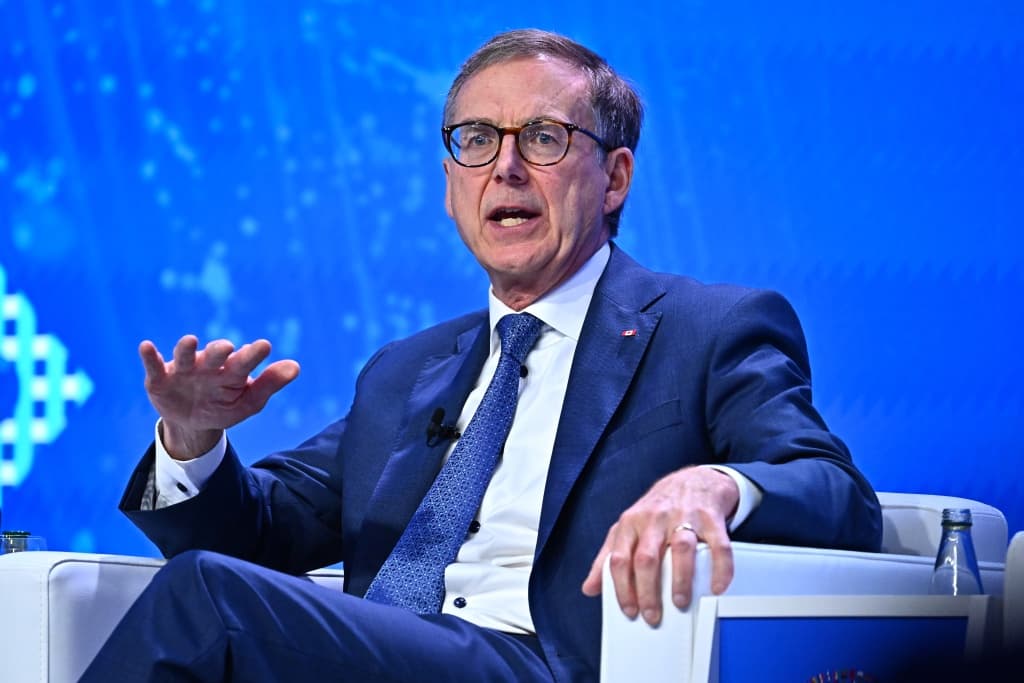
The Bank of Canada raised its key rate by 0.25 percentage points to 2.5%, seeking to prevent the rise in energy prices caused by the Iranian conflict from spilling over into overall inflation. This is the first hike since July 2023: the country's economy is simultaneously contracting due to the US trade war, and the decision on further steps is complicated by uncertainty both in trade and in the Middle East.
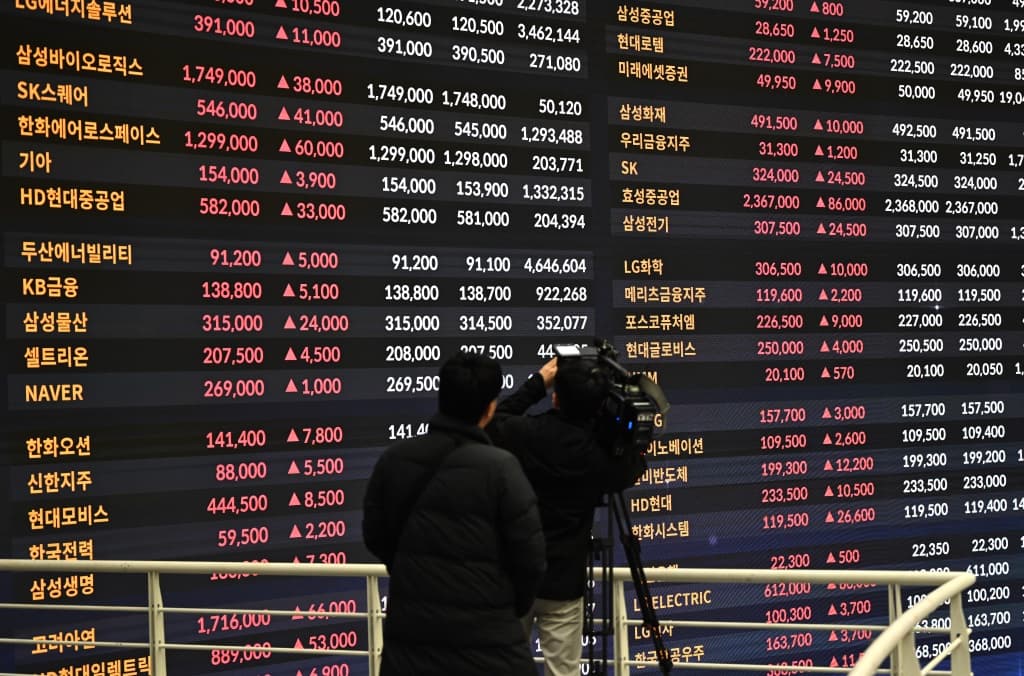
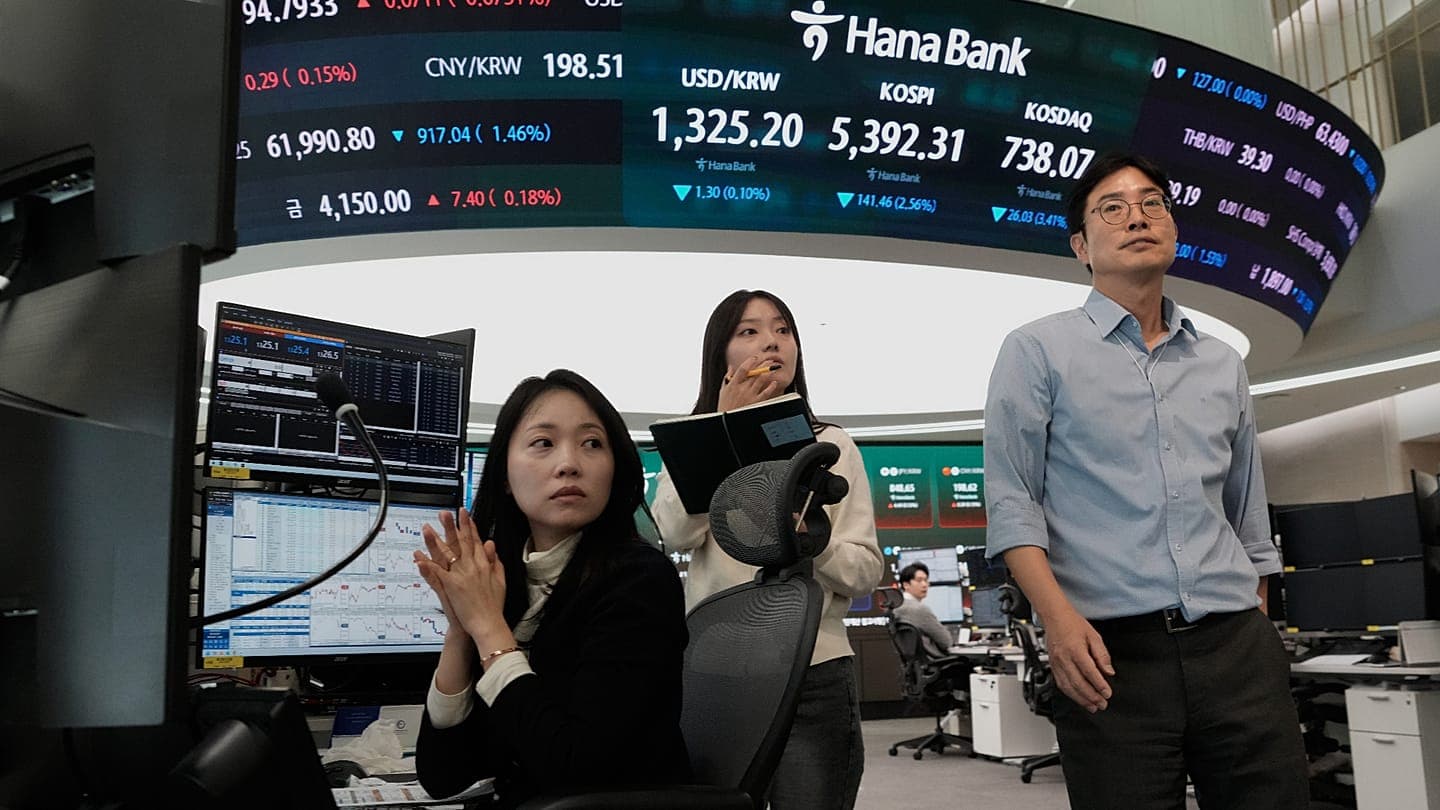
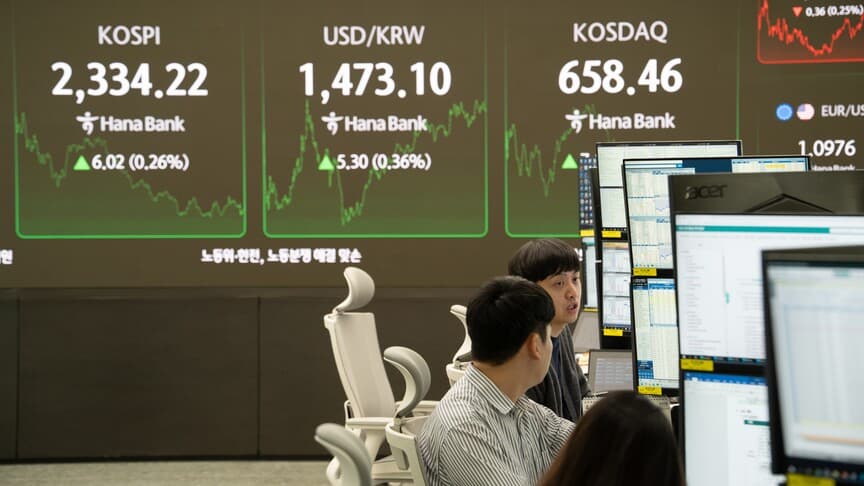
SK hynix's record quarterly profit returned optimism to the AI asset market: the Kospi index rose more than 6%, and Kioxia more than 10%. Market attention is shifting to Microsoft and Alphabet earnings and the Fed's decision.
Major stock markets mostly rose on Monday amid expectations of decisions by the Federal Reserve, the ECB and the Bank of Japan and tech company earnings. The Brazilian real plunged more than 10% after Lula's re-election, and Anthropic announced plans to go public. Oil pulled back from a six-month high.
On the morning of October 26, Brent fell from its highest level since March 19, around $117.4, to about $110 per barrel, and WTI to $101.5. The decline followed reports of Qatari mediators visiting Tehran and Donald Trump's statement about a possible deal with Iran. Meanwhile, the Houthis claimed new strikes on Saudi Arabian facilities, and risks to supplies remain.
On Monday, Asian stock indexes showed mixed dynamics: Seoul lost more than 1%, Tokyo 0.8%, while Hong Kong, Shanghai and Sydney rose. Investors are preparing for earnings from Amazon, Microsoft, Alphabet, SK hynix and Samsung, as well as decisions from the Fed, the ECB and the Bank of Japan. Oil pulled back from a six-month high, and markets remain uncertain about the returns on AI investments and geopolitical tensions in the Middle East. On Monday, Asian stock indices showed mixed dynamics: Seoul lost more than 1%, Tokyo 0.8%, while Hong Kong, Shanghai and Sydney rose. Investors are preparing for earnings reports from Amazon, Microsoft, Alphabet, SK hynix and Samsung, as well as decisions from the Federal Reserve, the ECB and the Bank of Japan. Oil pulled back from a six-month high, and markets remain uncertain about the return on AI investments and geopolitical tensions in the Middle East.
According to Anadolu, the week ending October 23 closed with declines in US and European indices, and Monday opened mixed. Markets are under pressure from doubts about the returns on AI investments, geopolitical risks surrounding the US and Iran, and weak consumption data. Investors' attention is focused on decisions by the Fed, the ECB and the Bank of Japan. According to Anadolu, the week starting October 23 ended with declines in US and European indices, and Monday opened mixed. Markets are under pressure from doubts about the return on AI investments, geopolitical risks surrounding the US and Iran, and weak consumption data. Investor attention is focused on the decisions of the Federal Reserve, the ECB and the Bank of Japan.
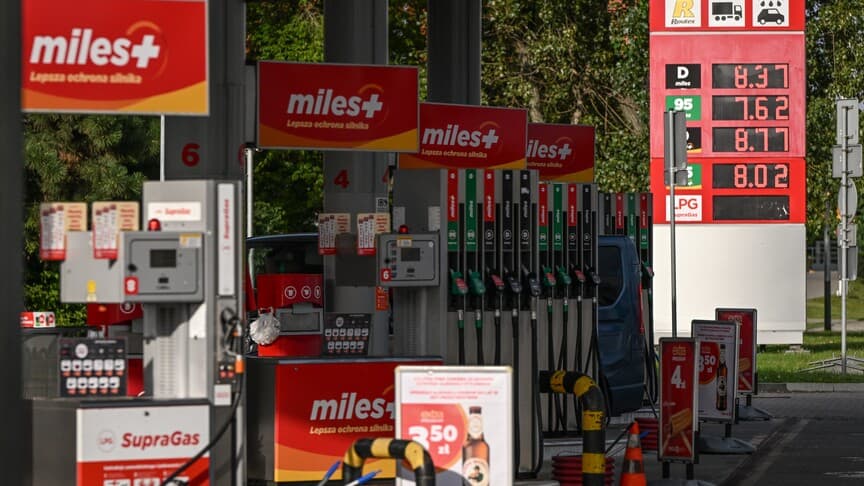
Energy prices continued to rise amid geopolitical risks: Brent rose 1.14% to $114.47 per barrel, and European gas rose 1.37% to €91.28 per MWh. Yemen's Houthis claimed attacks on Saudi facilities, while reports of possible new US strikes on Iran heightened concerns over Middle East supplies.
US President Donald Trump signed a memorandum declaring oil production, refining and related infrastructure essential to national defense. Section 303 of the Defense Production Act was invoked, opening the possibility of federal funding for oil projects.
Brent crude hit a five-month high, rising above $115 per barrel amid the Middle East conflict, speculation about possible new US and Israeli strikes, and growing winter energy demand. Global stock markets reacted differently: US and European indices declined, while Asian markets closed mixed. Pressure on equities came from weak earnings reports by Kering and Volvo Cars, as well as doubts about the sustainability of AI spending.
On Friday, Asian indexes showed mixed dynamics: technology companies partially recovered from their morning decline thanks to bargain-buying after a difficult week for the sector. Investors are seeking safe havens: the yen is rising along with demand for US government bonds, while Brent is approaching $115 due to the escalation of the conflict with Iran.
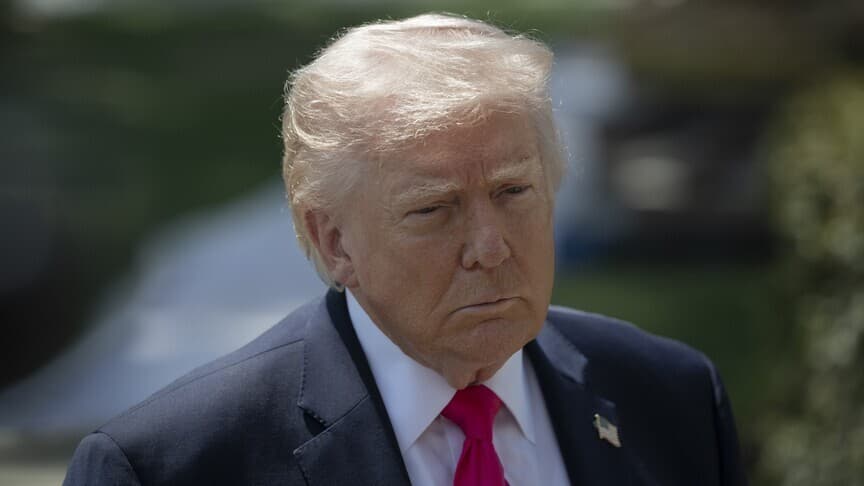
US President Donald Trump said Iran was allegedly deliberately inflating oil prices ahead of the midterm elections by publishing, in his words, fake reports of attacks and mines. He also accused the Iranian authorities of killing protesters and repeated that Iran will 'never get nuclear weapons'.
Asian stock markets mostly declined on Friday following a selloff in AI-related stocks that made the previous day the worst for the S&P 500 since July. Brent traded above $113 — a high since May — amid attacks in Saudi Arabia and rising freight costs. The yield on 10-year US Treasuries fell sharply to 4.97% as funds flowed into safe-haven assets.
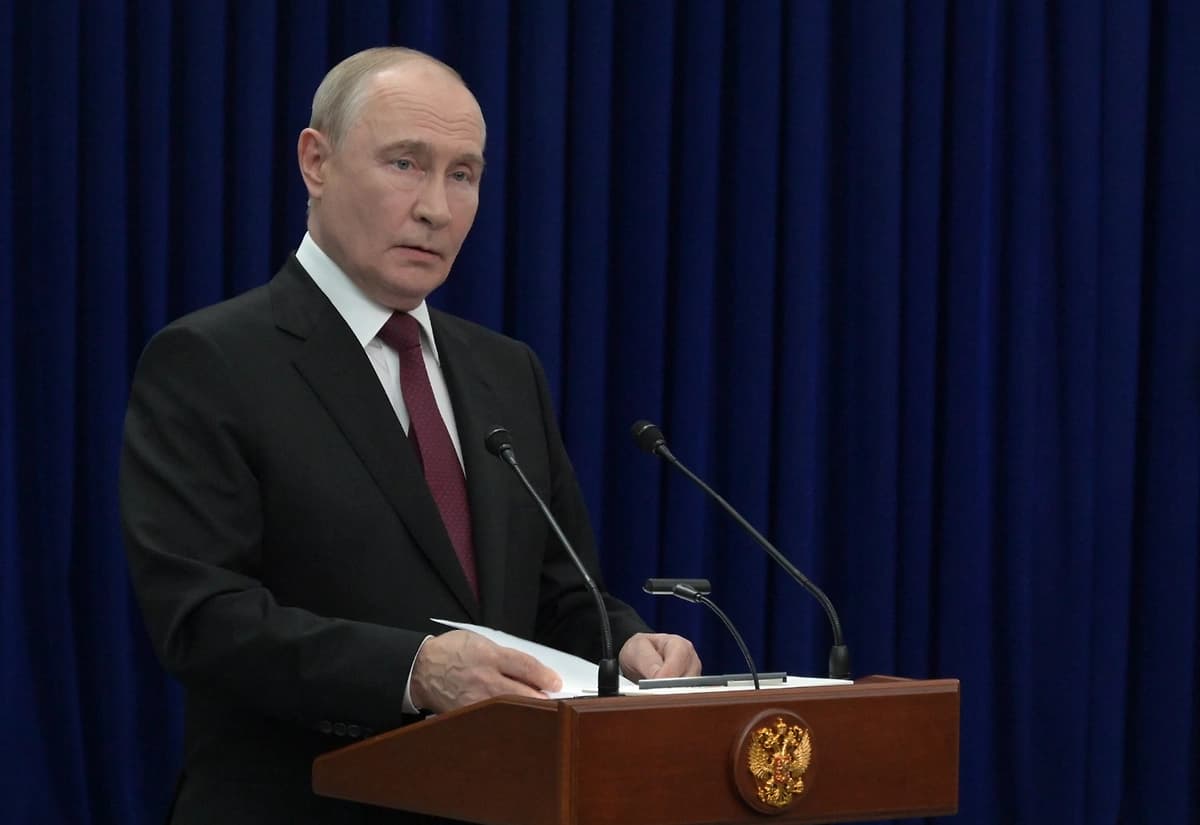
Russian President Vladimir Putin stated that Russian manufacturers could significantly increase fertilizer exports to the American market. The topic of expanding trade between the countries is developing after the phone conversation between Putin and Trump on October 9, when Moscow confirmed its readiness to supply oil and petroleum products.
Libya's NOC said unidentified persons broke into a crude oil receiving station near the refinery in Zuara and shut an isolating valve on the Hamada — Zuara pipeline. The corporation warned of production and revenue losses and called on the authorities to intervene. The identities of those responsible were not named; similar incidents involving facility guards were previously reported.
US markets closed higher on Wednesday, but Asian trading began with a selloff on Thursday amid Middle East tensions and doubts about the returns on AI investments. Brent rose to $110.7 per barrel, and French 10-year bond yields exceeded 5%. Meta reported net profit growth of 264%, Tesla a decline of 43%.
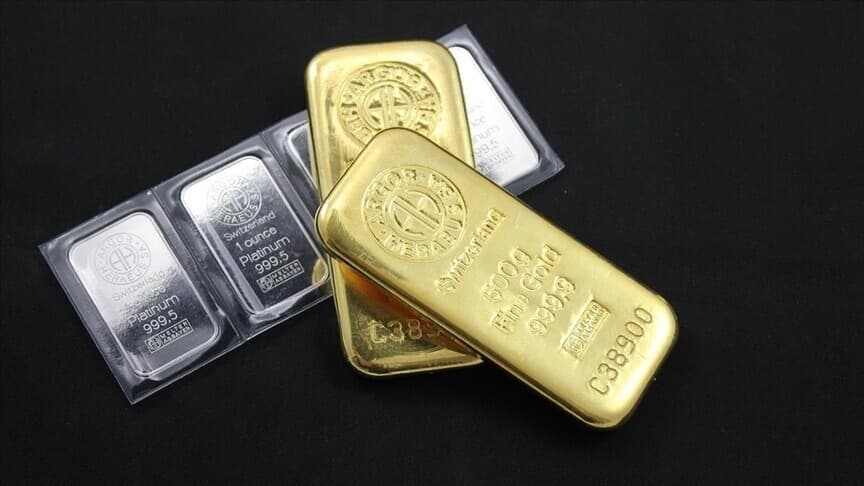
On Thursday, gold fell below $4,100 per ounce, while silver dropped about 3.6%. Rising oil prices following an attack on Saudi Aramco's Shaybah oil field heightened inflation concerns and lowered expectations for monetary policy easing. Markets expect the Fed, ECB, and Bank of Japan to keep rates unchanged.
The BIST 100 index opened on Thursday at 11,540.61 points, down 0.32% (36.50 points) from the previous close. The day before, the index fell 1.87% to 11,577.11 points with a trading volume of 85.9 billion liras. The lira stood at 49.6270 to the dollar, gold was $4,089.90 per ounce, and Brent was $111.55 per barrel.