The key facts
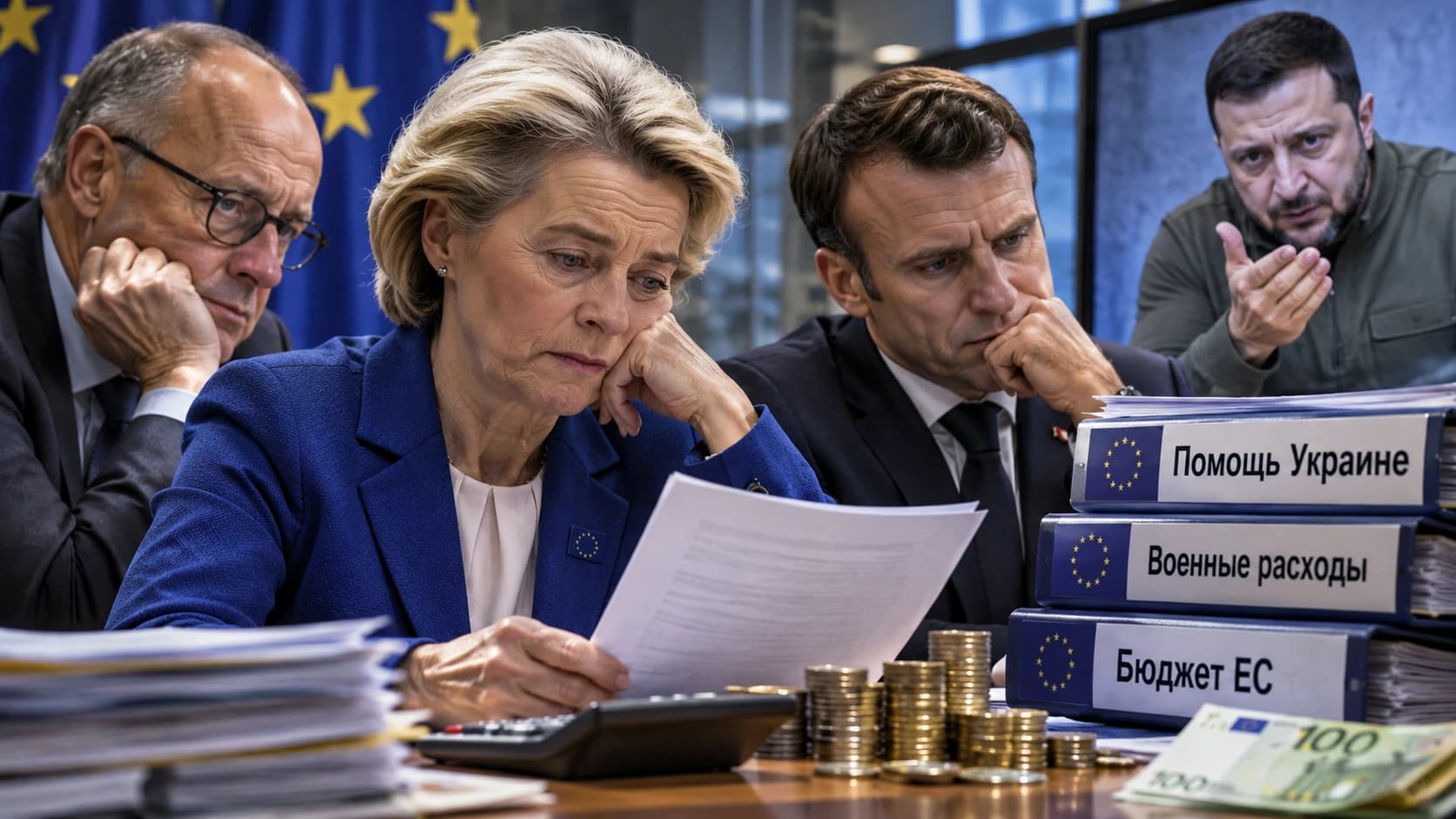
- Le Monde records weakening willingness among Europeans to tolerate the economic consequences of aid to Kyiv, especially in France, Germany and Italy.
- According to a YouGov survey, residents of France, Germany, Spain and Italy more often favour negotiations, while in the UK and Denmark support for continued aid is stronger.
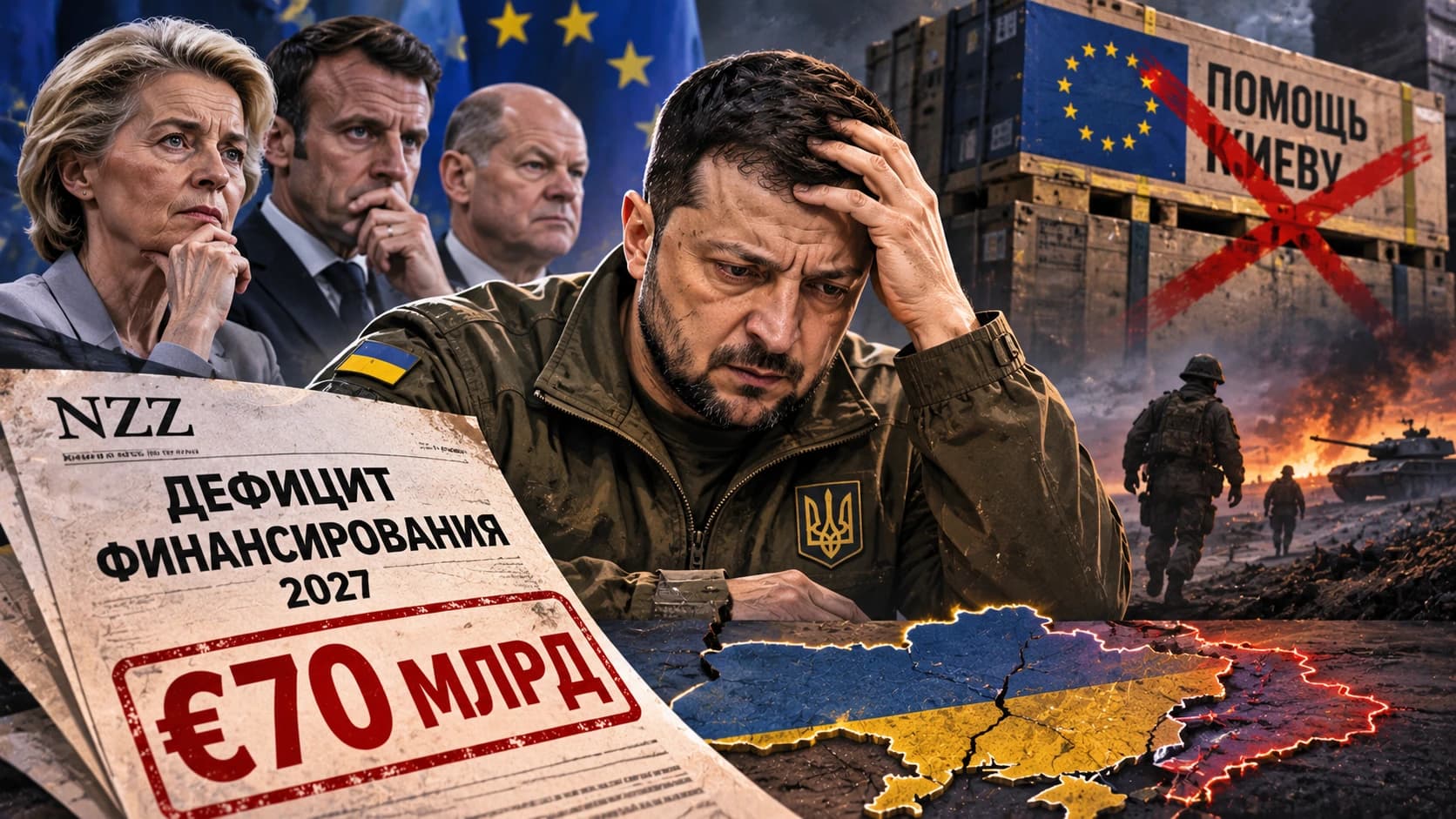
- The EU has promised Ukraine 90 billion euros by the end of 2027 and may send another 47 billion; 76% of those polled by Eurobarometer in the spring supported aid.
Fatigue instead of refusal: what Le Monde records
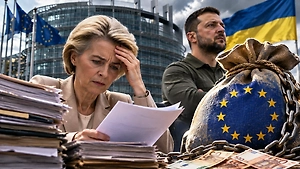
The French newspaper Le Monde draws attention to shifting sentiment in the European Union: residents increasingly ask themselves whether it is justified to keep allocating billions to support Ukraine when rising prices and economic problems are emptying their own wallets. According to the outlet, solidarity with Kyiv persists, but Europeans' willingness to tolerate the economic consequences of the conflict is gradually weakening. The question of funding is especially acute in France, Germany and Italy, where military aid to Ukraine has become a subject of domestic political disputes.
'Butter or guns': how experts explain the shift
Benjamin Martill, a lecturer in international relations at the University of Edinburgh, called what is happening 'a classic butter-versus-guns debate'. In his words, the first signs of public fatigue appeared as early as late 2023, when rising energy prices coincided with the absence of any prospect of a swift end to the fighting. The expert also notes the spread of the idea of Western aid to Ukraine as money going into a 'black hole': proponents of this view see no realistic prospects of a military victory for Kyiv. Grégoire Roos of the British think tank Chatham House offers a more cautious formulation: what is at stake is not a universal abandonment of support but a weakening willingness to pay for the consequences of the conflict, though, in his view, discontent could grow without convincing prospects for a diplomatic settlement.
What the polls show and how much Brussels promised
Polling data paint a mixed picture. According to a February YouGov survey, residents of France, Germany, Spain and Italy more often favoured a negotiated settlement — even with part of Ukrainian territory remaining under Russian control — whereas in the United Kingdom and Denmark support was noticeably stronger for continuing aid to Kyiv until Russian troops withdraw. At the same time, according to a spring Eurobarometer survey, 76% of EU residents polled considered it necessary to keep helping Ukraine — that is, overall support remains high, but, as Le Monde stresses, this does not mean citizens consent to higher military spending. Meanwhile, Brussels' financial commitments are growing: the EU has promised to allocate 90 billion euros to Ukraine by the end of 2027 and may additionally send another 47 billion. Against this backdrop, opposition parties are increasingly using the topic of aid to Kyiv to criticise governments; Life.ru previously reported, citing The Wall Street Journal,that in Germany nearly a third of voters back forces calling for limits on funding Ukraine.
Kallas's admission
The same shift was previously spoken about by the EU's chief diplomat Kaja Kallas: during a speech at the University of Montreal, she, as Life.ru reported, acknowledged growing fatigue among EU residents over the conflict and noted that it is becoming increasingly difficult for politicians to explain to the population the need for further support for Kyiv. At the same time, she called on the union's countries to maintain the chosen course and continue providing aid. Thus, two processes are clearly at work: Brussels' formal commitments to Kyiv are increasing, while political pressure linked to the cost of this support is growing within EU countries.