The key facts
- Professor Alexey Bereznikov named sacrificing sleep for tasks and falling asleep with alcohol or the TV on as harmful habits
- The average sleep duration is six to seven hours, which is not enough for the body to recover
- According to scientists, the optimal bedtime is between 10:00 p.m. and 11:00 p.m., when melatonin is produced
Sleep deprivation as the norm of the big city
Alexey Bereznikov, professor at the Department of Internal Medicine of ROSBIOTECH University, told Life.ruthat one of the most dangerous habits of modern people is sacrificing sleep for productivity: people stay awake as long as possible to finish urgent tasks and gradually get used to sleep deprivation. This pattern is especially common in large cities, where residents cut back on rest for the sake of work and everyday chores.
Why chronic sleep deprivation is dangerous
According to the expert, today a person sleeps six to seven hours on average, which is not enough for the body and brain to fully recover. Over time, lack of rest can contribute to the development of chronic stress, excess weight, diabetes, and cardiovascular diseases. Another common mistake is going to bed well past midnight: in the view of scientists, the optimal bedtime is between 10:00 p.m. and 11:00 p.m., when it is dark outside and the body begins to produce melatonin, a hormone necessary for falling asleep. Sleeping during the day or in a lit room can reduce its production.
Why alcohol and television do not help you rest
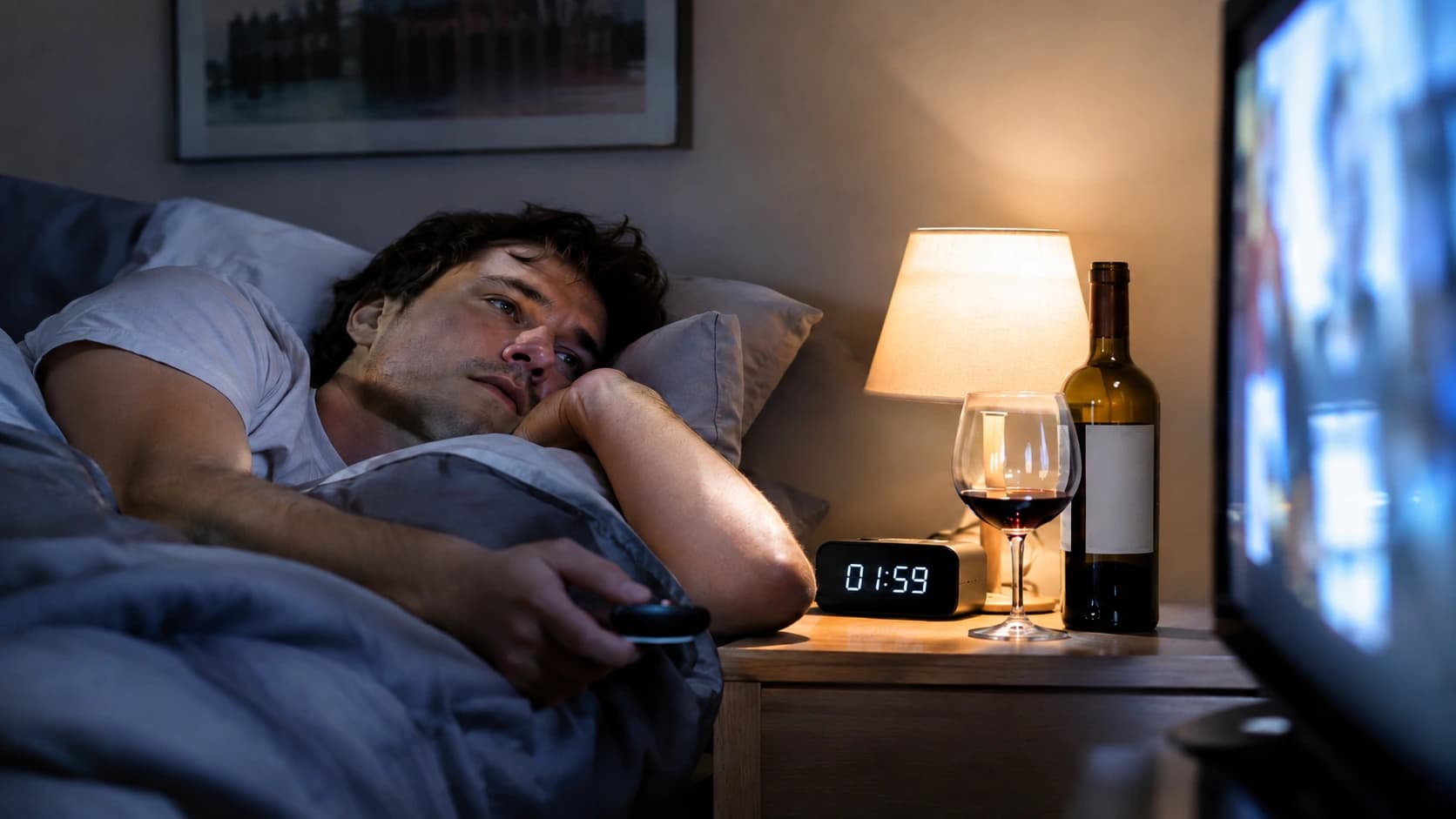
Trying to fall asleep faster, many people drink a glass of wine or turn on the TV and radio. Bereznikov explained that alcohol has a relaxing effect only in very small doses; as the amount increases, either sedation or overexcitement sets in, which interferes with normal falling asleep. Even falling asleep quickly does not mean the body will rest well. “If a person gets drunk in order to fall asleep, it brings no health benefit whatsoever. There are no safe doses of alcohol — it is always harmful,” the professor emphasized. Television and radio, in his words, create a deceptive effect: voices and programs tire the nervous system, so a person falls asleep, but full recovery does not occur. Instead, he advises preparing for bed in advance and reading a paper book, and turning off any audio recording, if it is playing, before falling asleep.
An additional argument from dentistry
The same outlet previously carried a warning from a dentist: alcohol increases dry mouth, and with a lack of saliva, teeth are less protected from acids and bacteria, which raises the risk of cavities and mucosal irritation. This adds a dental dimension to the professor's assessment of the harm of alcohol.