The key facts
- 5,182 confirmed measles cases in the US in 2026 — the highest CDC figure since 1991
- More than a twofold increase compared with 2,289 cases for all of 2025
- At least eight deaths, including very young children
Measles incidence in the United States has reached a 35-year high
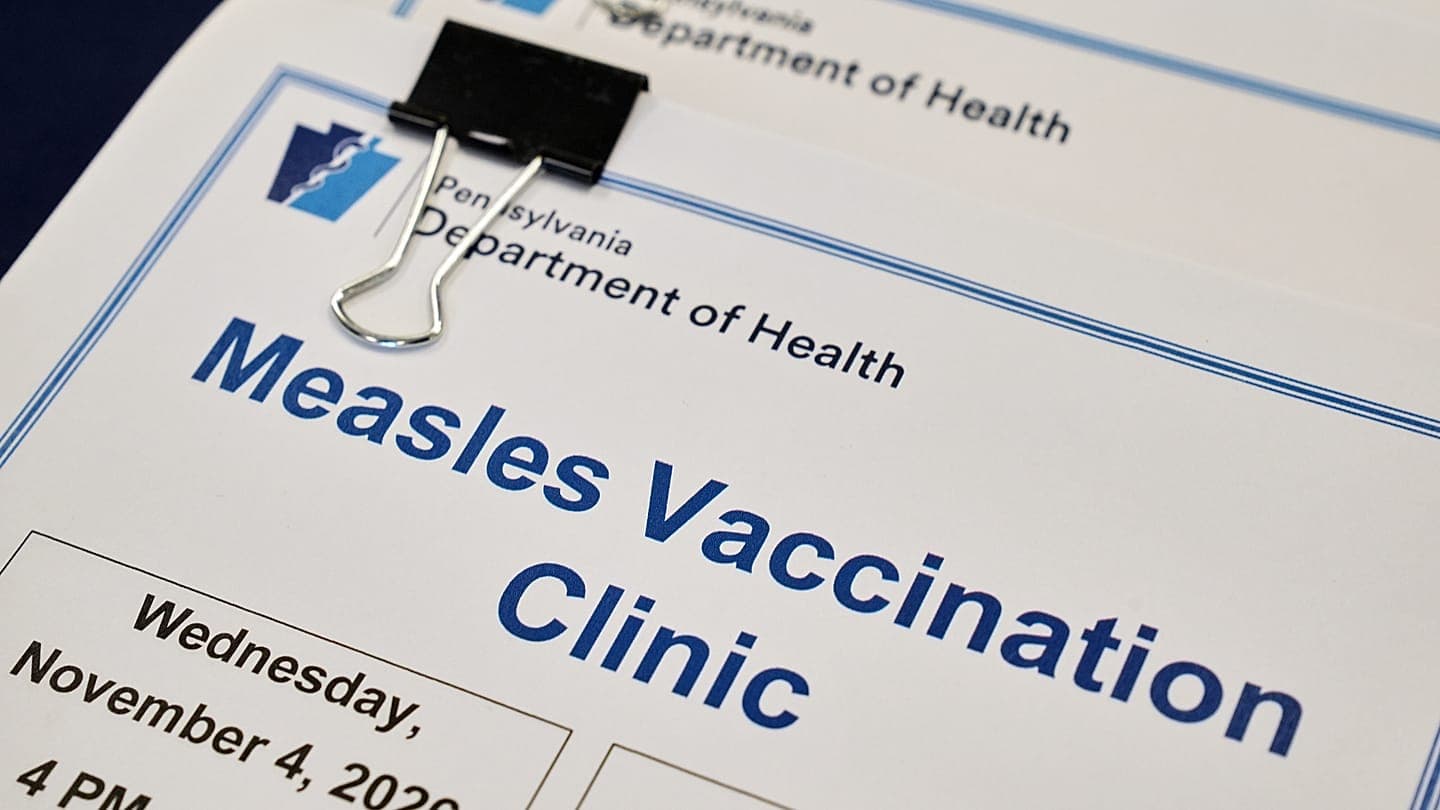
According to the Centers for Disease Control and Prevention (CDC), 5,182 confirmed measles cases were registered in the United States in 2026 — a highly contagious but vaccine-preventable disease. This is more than double the figure for all of 2025 (2,289 cases) and the highest number the CDC have reported since 1991. The situation was reported by Euronews, citing data from the agency.
Eight deaths and the medical community's reaction
According to state health authorities, at least eight people have died from measles complications, among them very young children. Pediatric infectious disease specialist Adam Ratner, in a comment to AFP, called such cases 'tragic' and 'entirely preventable.' He also stated that US Health Secretary Robert F. Kennedy Jr. 'does not consider measles a big problem and does not want to believe that measles can be fatal,' adding that 'the burden of these diseases will fall on children, even though it is they who do not make these decisions.' Kennedy, long known for his skeptical attitude toward vaccination, is being criticized for contributing to distrust of health authorities — an assessment Euronews presents as context surrounding his figure.
From elimination to the disease's return
Measles was declared eliminated in the United States in 2000, largely thanks to mass vaccination, but in recent years the disease has returned against the backdrop of declining vaccination coverage and growing public distrust of healthcare. For comparison of the scale: before the measles vaccine appeared in 1963, an estimated 400 to 500 people died annually in the United States, according to the CDC. Measles typically presents with fever, respiratory symptoms, and a characteristic rash, and in severe cases can lead to pneumonia, brain inflammation, lasting health consequences, or death.