The key facts
- Buckwheat is gluten-free and contains 12.6 g of protein per 100 g
- A mono-diet does not provide the body with all the necessary nutrients
- The groats are recommended to be cooked for 10–15 minutes or steeped in boiling water
The benefits of buckwheat and its limitations
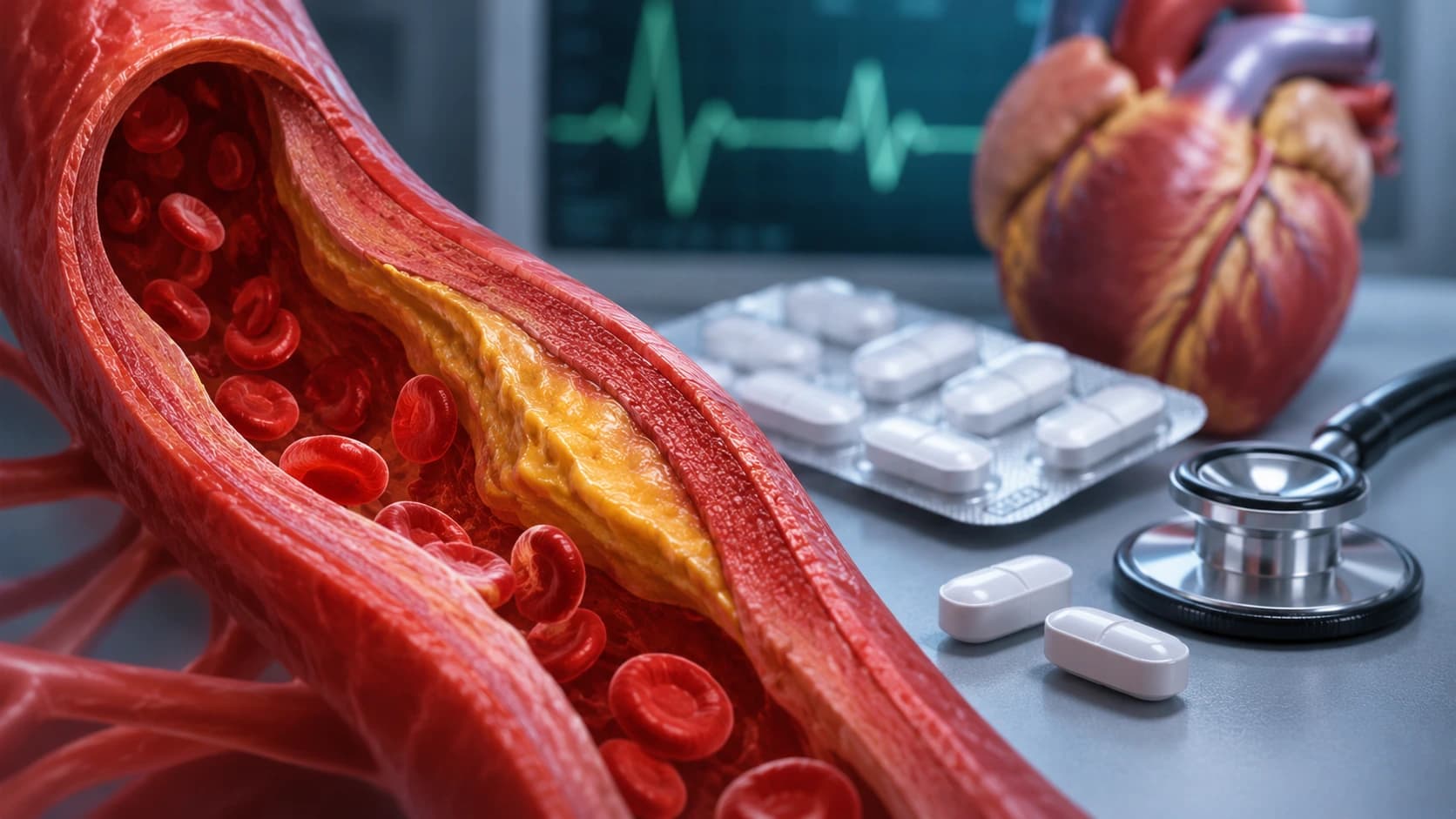
Specialists from Roskachestvo spoke about the properties of buckwheat groats, emphasizing both their benefits and the risks of excessive consumption, RT was told by the outlet Gazeta.Ru. According to the experts, buckwheat can support the health of the cardiovascular and nervous systems and help control blood sugar levels, but a buckwheat mono-diet can lead to undesirable consequences.
Composition and features of the product
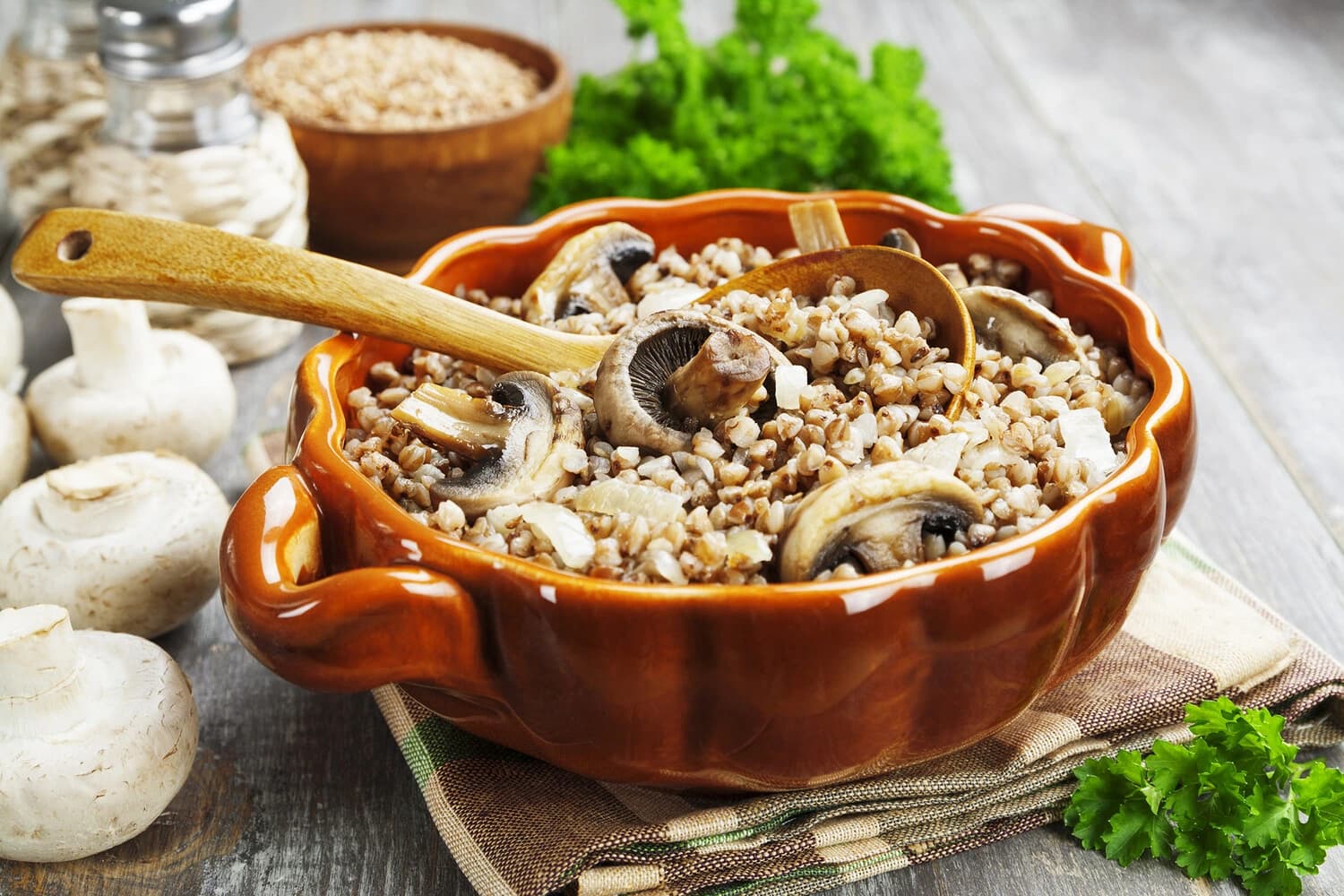
Unlike wheat or rye, buckwheat does not contain gluten, which makes it safe for people with celiac disease. In terms of protein content — 12.6 g per 100 g — and complex carbohydrates, the product is close to whole-grain analogues, but it stands out for its rich amino acid profile. The groats are a source of vitamins A, B group, C, E and PP, and also contain rutin (vitamin P), which is especially concentrated in the grain's hull. Magnesium and tryptophan are involved in the functioning of the nervous system, maintaining sleep and emotional state; dietary fiber supports intestinal function, while phospholipids are needed for certain liver functions. Thanks to its relatively low glycemic index and the presence of resistant starch, buckwheat can be included in the diet of people with type 2 diabetes. The product is popular among athletes and those seeking to lose weight because of its balanced combination of proteins, fats and carbohydrates.
How to cook it to preserve its benefits
The experts single out green buckwheat in particular: it does not undergo intensive heat treatment, so it retains more rutin, which has antioxidant properties. To reduce the loss of beneficial substances, it is advised not to overcook the groats — they can be steeped in boiling water or cooked for about 10–15 minutes. Prolonged boiling, baking and frying can reduce the product's nutritional value. At the same time, a buckwheat mono-diet does not provide the body with all the necessary nutrients: a complete diet requires vegetables, sources of animal or plant proteins, and other products.