The key facts
- The rosuvastatin and ezetimibe combination lowered 'bad' cholesterol by 65% versus 38% for atorvastatin
- Plaque volume decreased by 21.1% versus 13.6%; improvements were recorded in 90% and 75% of participants
- The study involved 104 people and evaluated CT images, not heart attack rates or mortality
What the scientists showed
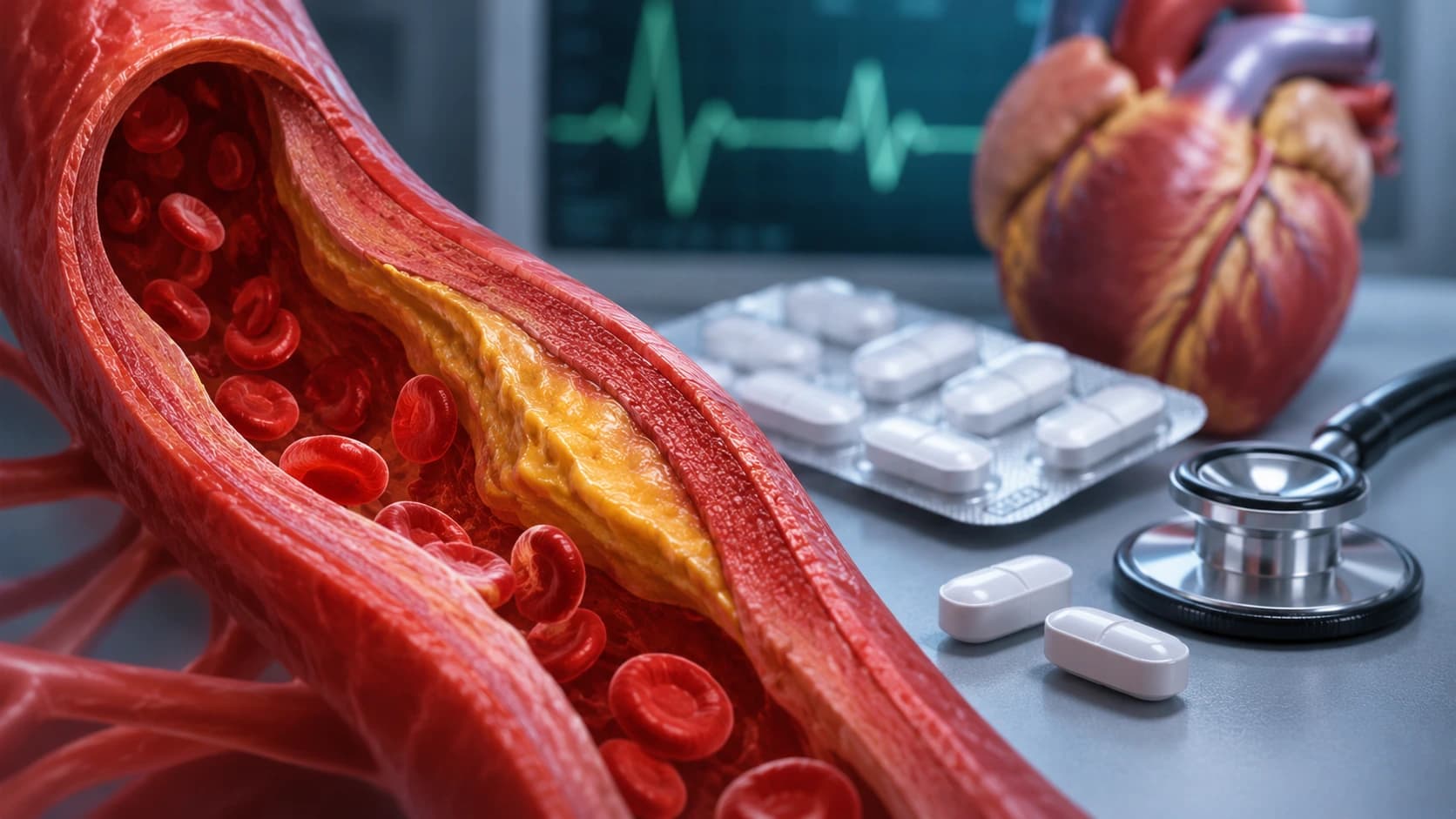
In patients with coronary heart disease, intensive cholesterol-lowering therapy led to a noticeable reduction in the volume of atherosclerotic plaques in the coronary arteries: in some participants, fatty deposits shrank by more than 20% over a year and a half of treatment. The results by Danish scientists were published in the journal JAMA Cardiology.
How the study was conducted
The study involved 104 people with significant narrowing of the heart's vessels who had not previously taken statins. The volunteers were divided into two groups: one was prescribed atorvastatin, the other a combination of rosuvastatin and ezetimibe. The condition of the arteries was monitored using computed tomography.
The combination proved more effective
After 18 months, the combination of the two drugs reduced 'bad' cholesterol levels by 65%, while monotherapy reduced them by 38%. The differences also showed up in the vessels: with combination therapy, the total plaque volume decreased by 21.1% versus 13.6% in the atorvastatin group. Soft, non-calcified deposits shrank by 28.2% and 20% respectively. Positive changes in total plaque volume were recorded in 90% of participants taking the two drugs and in 75% of those on the standard regimen.
Limitations and context
The authors believe that a pronounced reduction in cholesterol may not only slow the progression of atherosclerosis but also contribute to a partial reduction of already formed deposits. However, the study assessed changes on tomographic images, not the frequency of heart attacks or mortality. The scientists emphasize: the results were obtained on a relatively small group of patients with already diagnosed heart disease, so the conclusions cannot yet be extended to all people with high cholesterol, and the choice of drugs and treatment intensity should remain with the doctor.
What changes in practice
For readers, the news means a confirmed quantitative difference between two real treatment regimens: combination therapy produced roughly 7.5 percentage points greater plaque volume reduction and 27 points greater 'bad' cholesterol reduction than monotherapy. However, this is the result of a single study of 104 patients, not proof of a reduced risk of heart attack. Separately, Life.ru previously reported that since September, Russia has expanded cardiovascular risk assessment during medical check-ups: according to Health Minister Mikhail Murashko, the program now includes lipoprotein level testing and additional indicators of the likelihood of coronary heart disease, and for some patients, coronary calcium assessment based on a previously performed chest CT scan.