The key facts
- Lerchek is undergoing repeat chemotherapy at Moscow City Clinical Hospital No. 62 in preparation for experimental treatment abroad
- Oncologist Evgeny Cheremushkin: After chemotherapy, there may be insufficient cells for CAR-T therapy
- CAR-T for solid tumors, including stomach cancer, remains primarily under investigation with no guaranteed outcomes
Chemotherapy-weakened body may not be suitable for cell therapy
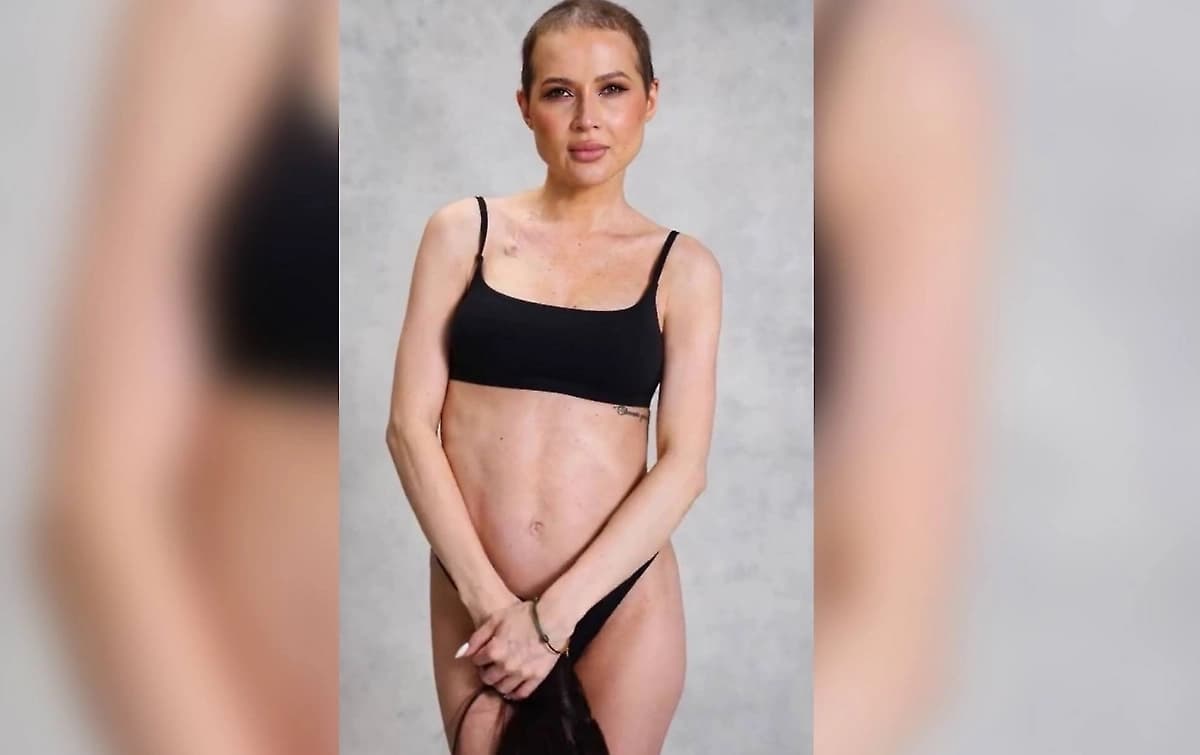
Blogger Valeria Chekalina, known as Lerchek, plans to travel to China for experimental treatment, but may not be ready for it. This opinion was expressed in an interview with NEWS.ru by oncologist Evgeny Cheremushkin, as reported by Life.ru. According to him, after several courses of chemotherapy, the patient's body is weakened, which could complicate the administration of CAR-T therapy.
What is the essence of the method's limitation
CAR-T therapy involves collecting the patient's own immune cells, genetically modifying them, and reintroducing them into the body to fight the tumor. 'CAR-T therapy is complex — specific procedures are required to collect the patient's own cells. After chemotherapy, not enough cells remain that are capable of participating in further treatment,' explained Cheremushkin. In his assessment, the treatment places serious demands on the overall condition of the individual, and it is not always suitable for patients with severe oncological diseases.
What is known about Chekalina's condition and the prospects of the method
Lerchek is fighting stage four stomach cancer. In early November, she reported undergoing repeat chemotherapy at Moscow City Clinical Hospital No. 62 and stated that this current phase should prepare her body for possible application of experimental methods abroad. Earlier, Life.ru reported on the blogger's emergency hospitalization prior to the Moscow City Court session on November 5: due to the need for an urgent medical procedure, she could not personally attend the court hearing where appeals against the verdict were being considered; lawyer Konstantin Tretyakov added that as early as spring, doctors had very cautiously assessed her prognosis.
What remains uncertain
The oncologist emphasized that a final judgment on the feasibility of the procedure can only be made after examination and evaluation of the patient's condition by treating specialists: there are no public data that would definitively rule out CAR-T therapy for Chekalina. According to him, significant experience with this technology has been accumulated in China, where treatment is available in specialized clinics; the method is also used in the US and Europe, but access depends on diagnosis, indications, and organizational procedures. It is also important to note that CAR-T therapy is already applied for certain blood disorders, but its use against solid tumors, including stomach cancer, remains primarily under investigation — even the possibility of undergoing the procedure does not guarantee a successful outcome.