The key facts
- The village of Serua in 2025 drew up a disaster risk reduction plan with Habitat for Humanity, rejecting calls to relocate
- Nearly 20% of homes are in critical condition, only three are strong enough for a cyclone, and more than 50% have unstable foundations and roofs
- In October, dozens of workers were repairing homes: walls and roofs are taken to the mainland, and some houses have already been raised against flooding
An island under threat, but the residents stay
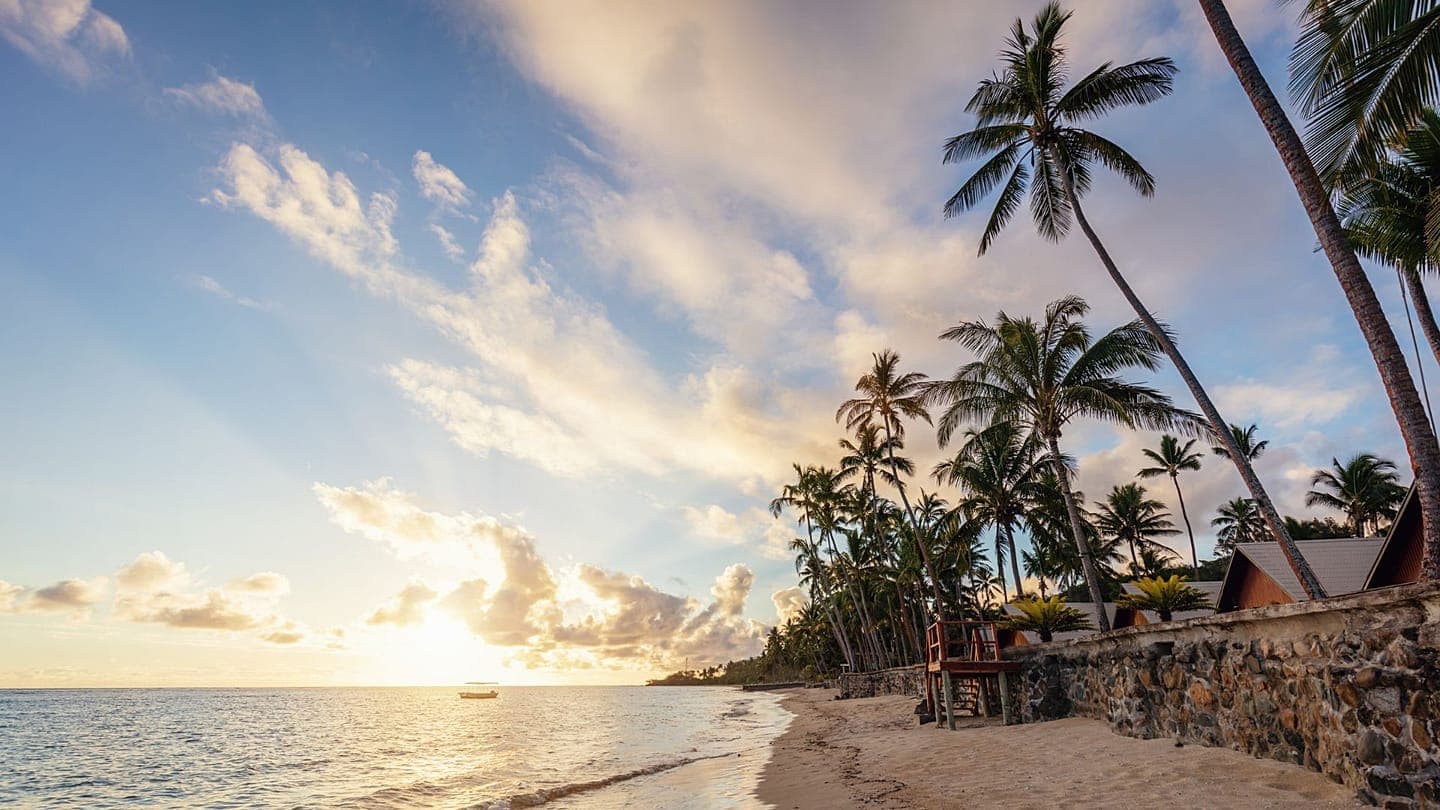
From the mainland, the tiny Fijian island of Serua looks like paradise: two steep hills covered in palm trees, coral reefs and rich fishing grounds. But on the island itself, the scale of the risk from rising sea levels is clearly visible — the only protection against waves that already flood homes is a concrete seawall. 'The higher the air pressure, the higher the waves. Then the water passes right through the village,' says island resident Avenai Ranuku. Dozens of homes are under threat during cyclones, along with gardens and graves; at the eastern tip, water laps against concrete piles where houses and a hospital once stood, and two houses have already been moved from the western side, where the land was washed away. This is reported by an Euronews publication.
'We love this island'
Despite the risks, most residents prefer to strengthen the island's defenses rather than leave their home. Ranuku recalls how, in his childhood, during Category 5 Cyclone Winston, all the residents climbed one of the peaks at the chief's word — this is their evacuation plan. 'We love this island, you understand. Fresh air, you go out to sea fishing every day — that's why they don't want to leave,' he says. Many, according to him, walk to the house on the hill to watch the sunset — 'a view worth 100 million dollars.'
A protection plan instead of relocation
In 2025, the village of Serua worked with Habitat for Humanity on a detailed disaster risk reduction plan after most of the population rejected calls to relocate: residents wanted to protect their native island and the culture tied to it. The report showed that nearly 20% of homes are in critical condition and only three are strong enough to withstand a cyclone; more than 50% of homes have a combination of unstable foundations and roofs, weak connections, walls and bracing elements. The report also notes increasingly frequent waves overtopping the seawall during high tides, soil salinization that reduces its fertility, and stagnant water after rains that raises health risks, as well as the absence of natural breakwaters.
Work has already begun
Having received the report, the village immediately set about strengthening its resilience. During a visit in October, dozens of workers were repairing homes along the northern coast: flimsy walls and corrugated iron roofs were removed and sent by boat to the mainland, and some houses had already been raised to reduce the risk of flooding. The report also recommended improving access to the island: at low tide it can be reached on foot, a 750-meter walk guided by power lines sticking out of the seabed, but at high tide it can only be reached by boat, and mooring requires improvements. 'Why should we leave?' says Ranuku, gazing across the water toward Fiji's Coral Coast.