The key facts
- Mass protests over the fuel price hike became the largest display of discontent in two years of al-Sharaa's rule; the hike was reversed
- Mass protests over a fuel price increase became the largest display of discontent in two years of al-Sharaa's rule; the increase was reversed
- The price of bread rose tenfold, and electricity costs for some rose by several hundred percent
- The price of bread has risen tenfold, and electricity costs for some have gone up by several hundred percent
- UNDP: 90% of Syrians lived below the poverty line last year; the World Bank estimates reconstruction at $216 billion
Protests and the reversal of the fuel price hike
Last month, Syria saw the largest protests since President Ahmed al-Sharaa came to power two years ago: people burned tyres, blocked roads and demanded the cancellation of another fuel price hike. A few days later, amid calls for new demonstrations, the hike was reversed — as reported by the BBC's Middle East correspondent from Damascus. The price increase was the latest in a series of measures that Syrians blame for the growing cost-of-living crisis; many believe their financial situation has only worsened since the fall of Bashar al-Assad's regime.
How the crisis looks in everyday life
Upon taking power, the new government cut long-standing subsidies as part of its austerity policy: the price of bread, a staple food, rose tenfold, fuel prices reached the global average, and electricity costs for some rose by several hundred percent. Public-sector salaries, including pensions, were adjusted, but, according to BBC sources, the increase is lost against the backdrop of continuing price rises. Retiree Marwan Bashour receives about $90 a month — the minimum public-sector wage — and says he is forced to sell household belongings and borrow money. Another retiree, Nabil al-Remhein, says his family eats once a day and switches off the fridge for five hours a day, and that his latest electricity bill came to about a third of the family's income — he did not pay it. Aid from international organisations, which many families previously relied on, has shrunk due to funding cuts.
The blame of legacy or new reforms
Syrian columnist and consulting associate at Chatham House Hyed Hyed believes a significant part of the population is living worse than before Assad's fall, and calls the economic crisis one of the government's most dangerous problems — partly of its own making: some of it is linked to a lack of resources and the legacy of the former regime, but part is a direct consequence of new policies moving towards a liberal market economy that fail to take their impact on people into account. Economist Samir Aita, who heads the Paris-based Circle of Arab Economists, sees the cause in a combination of policy with the government's inability to manage expectations and its creation of unrealistic hopes, and warns: 'This is unsustainable. If they do not change, I fear chaos.' A representative of Syria's Ministry of Economy and Industry declined to be interviewed. The government itself linked the fuel price hike that sparked the protests, among other things, to pressure on energy markets caused by the US–Iran war.
Transitional achievements and the cost of reconstruction
Amid the crisis, al-Sharaa also has achievements to his name: the international sanctions of the Assad era have been lifted, the US removed Syria from its list of state sponsors of terrorism, and earlier this year the government brought the resource-rich north-east back under its control, taking it from the Kurdish militia (meanwhile, the Druze hold areas in the south, and Israel holds part of the south-west). But there is no real economic recovery yet: large parts of the country lie in ruins after a war that, according to the BBC, claimed half a million lives and displaced half the population. The World Bank estimates the cost of reconstruction at $216 billion and, as the correspondent notes, without foreign aid and investment Syrians cannot manage it. Many families, unable to pay rent, live in partially destroyed buildings.
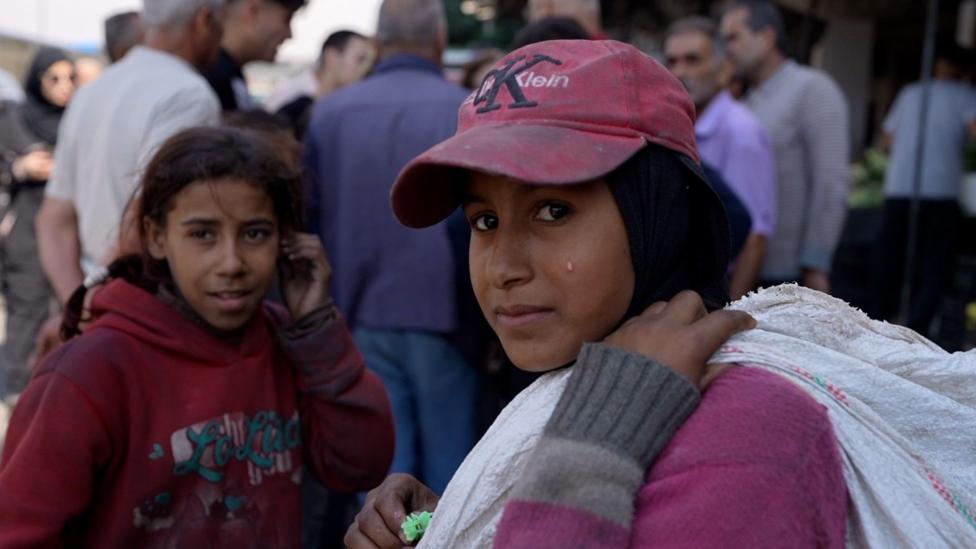 Image source, Neha Sharma/BBC
Many Syrians say their economic situation has worsened in the last two years amid a cost-of-living crisis
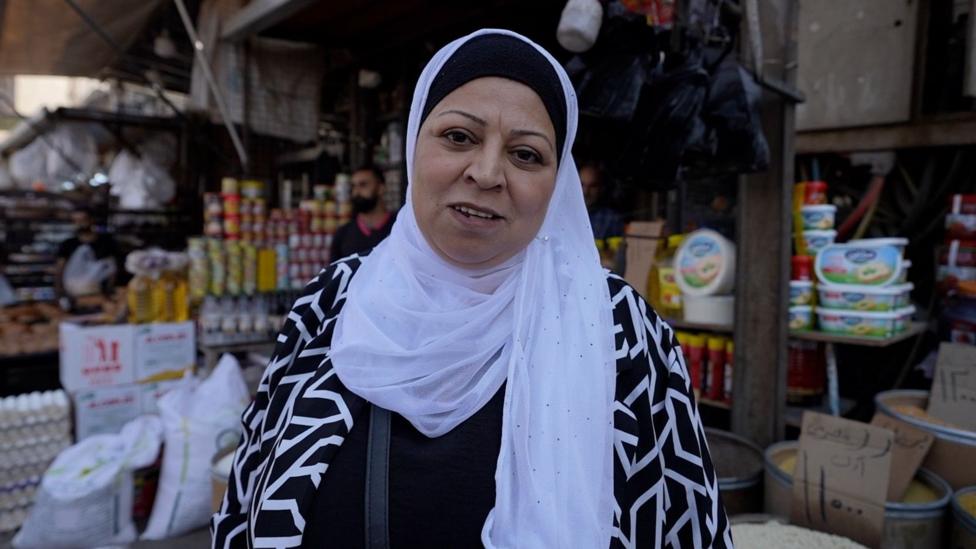 Image source, Neha Sharma/BBC
“We eat more sparingly now. We no longer buy chicken once a week,” Fatima Saleh Eid says
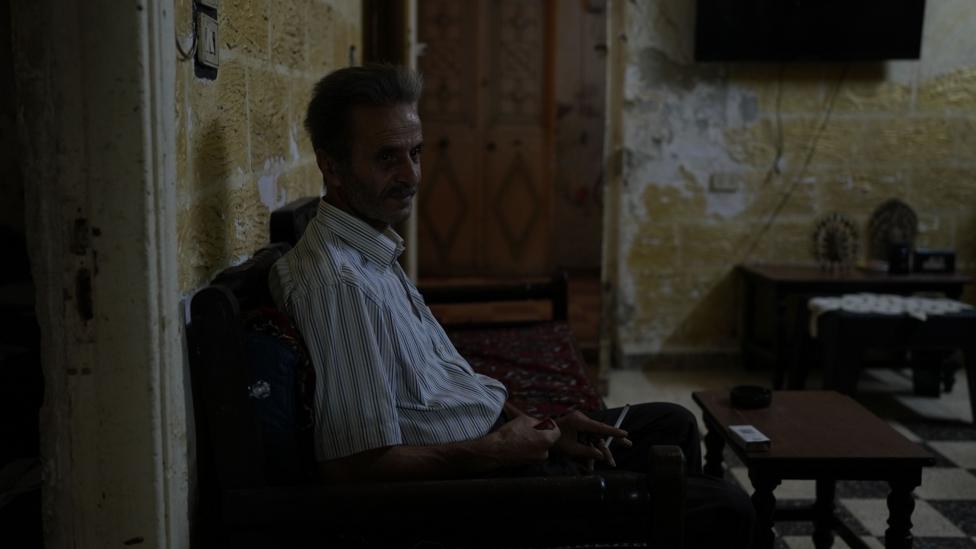 Image source, Neha Sharma/BBC
Nabil al-Remhein says he has cut back on lighting in his house because of high electricity bills
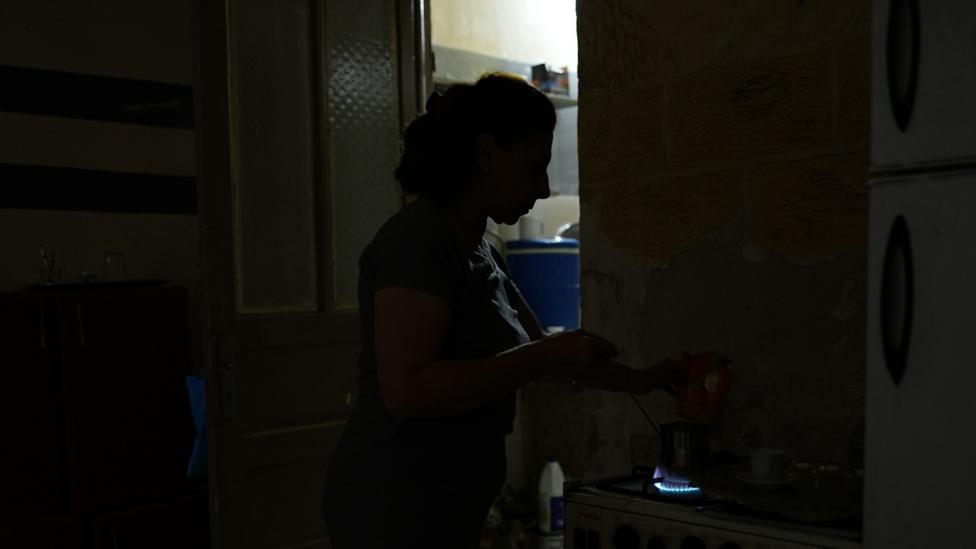 Image source, Neha Sharma/BBC
Nabil al-Remhein's wife does her chores in the dark in their house
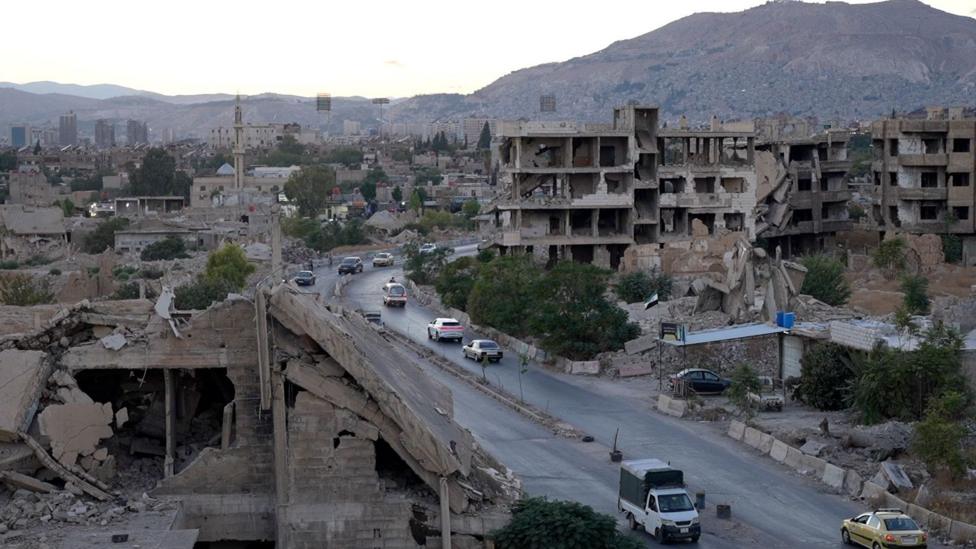 Image source, Neha Sharma/BBC
Jobar, on the outskirts of Damascus, still lies in ruins nearly two years after the fall of the Assad regime