The key facts
- Farkhod Karimov believes that the programs of Likud and the Yashar party (Eisenkot's) do not differ substantially
- In Kamoliddin Rabbimov's assessment, Eisenkot's position on Hamas is tougher than Netanyahu's
- Lieberman claims that Netanyahu allowed the transfer of funds to Hamas from Qatar and the UAE
What this is about
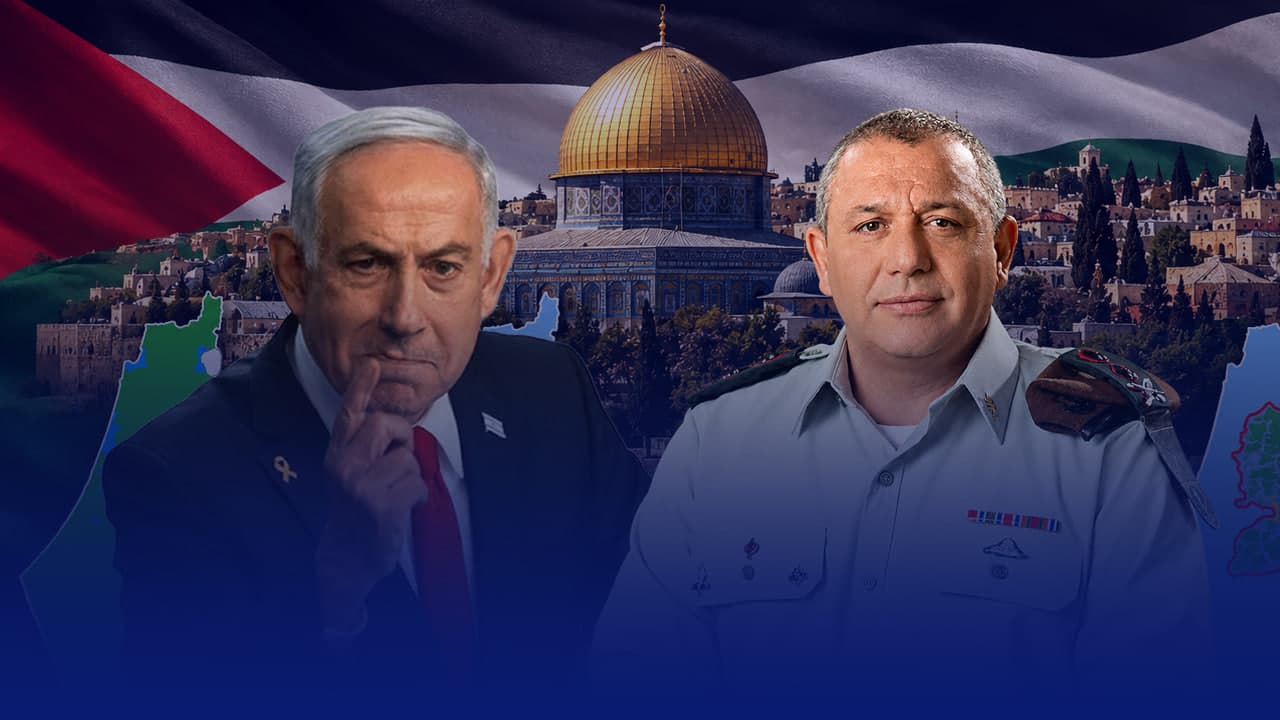
Israeli politics is discussing the possibility of Benjamin Netanyahu stepping down as prime minister and handing power to the opposition. Uzbek political scientists Farkhod Karimov and Kamoliddin Rabbimov in a comment to Kun.uz assessed how much a real or hypothetical change of leader would alter Israel's policy on Gaza, Iran and the Palestinian question. Both experts reach the same conclusion: no radical changes should be expected, and the situation may even become more complicated.
Karimov's position: a competition of personalities, not ideas
Farkhod Karimov notes that the programs of the Likud party and Yashar, led by former Likud members and military figures, do not differ substantially. The core of the Yashar party consists of retired military officers who advocate not softening the line on Iran, but 'seeing the war through to the end.' Therefore, in his view, even if Netanyahu hands the post of prime minister to, say, Eisenkot, no serious changes in either domestic or foreign policy should be expected.
The Eisenkot bloc and Rabbimov's assessment
Kamoliddin Rabbimov draws attention to the composition of the Eisenkot bloc: it unites forces of different political views — leftists, centrists and right-wingers — but most centrists lean toward the right-of-center, and their positions on Arabs and Hamas are broadly similar. Moreover, in Rabbimov's assessment, Eisenkot's position on Hamas is even tougher than Netanyahu's: he advocates the complete destruction of the group and a final resolution of the Gaza issue.
Personal circumstances and unclear positions
Rabbimov also cites a statement by Avigdor Lieberman, leader of the Yisrael Beiteinu party, which is part of the Eisenkot bloc: according to Lieberman, before October 7 Qatar, the UAE and other countries were transferring money to Hamas, and Netanyahu each time allowed the deliveries — meaning, in Lieberman's view, he contributed to strengthening the group. Eisenkot himself, who lost his son and other relatives in the war with Hamas after October 7, is perceived in Israeli society, in Rabbimov's assessment, on the one hand as seeking revenge, and on the other as a politician who has not yet revealed his position: his attitude toward the Palestinian question and neighboring Arab countries will become clearer only if he comes to power. The expert emphasizes that there are no fundamental differences between the parties' positions, and on certain issues Lieberman's official position is even further to the right than Netanyahu's.