The key facts
- Netanyahu's bloc won 53 seats, Eisenkot's bloc 48, and the Arab parties a record 19 of 120
- Shin Bet is investigating suspicions of funding for the Arab parties from Qatar and Turkey; Qatar categorically denies the accusations
- The head of the CEC and Shin Bet said there were no grounds to speak of systematic violations
Accusations after an election without a majority
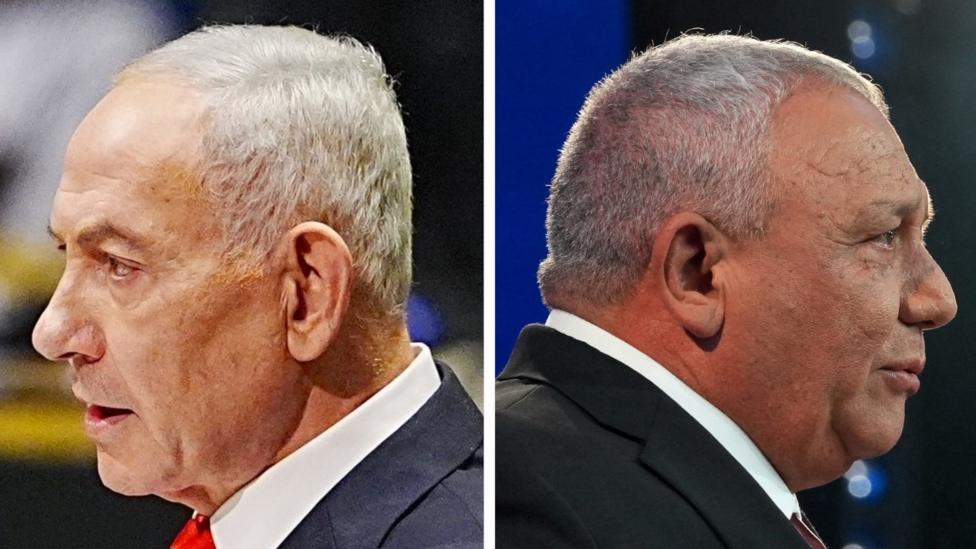
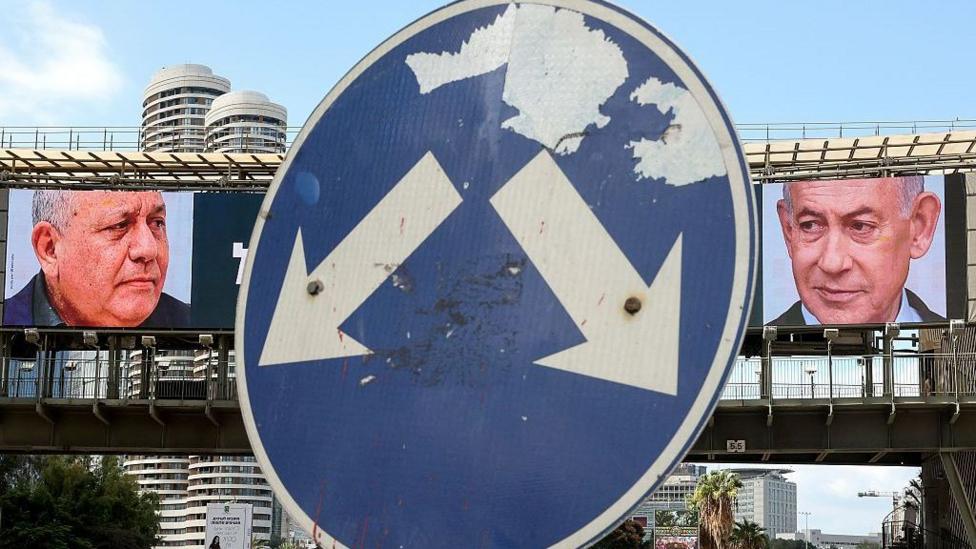
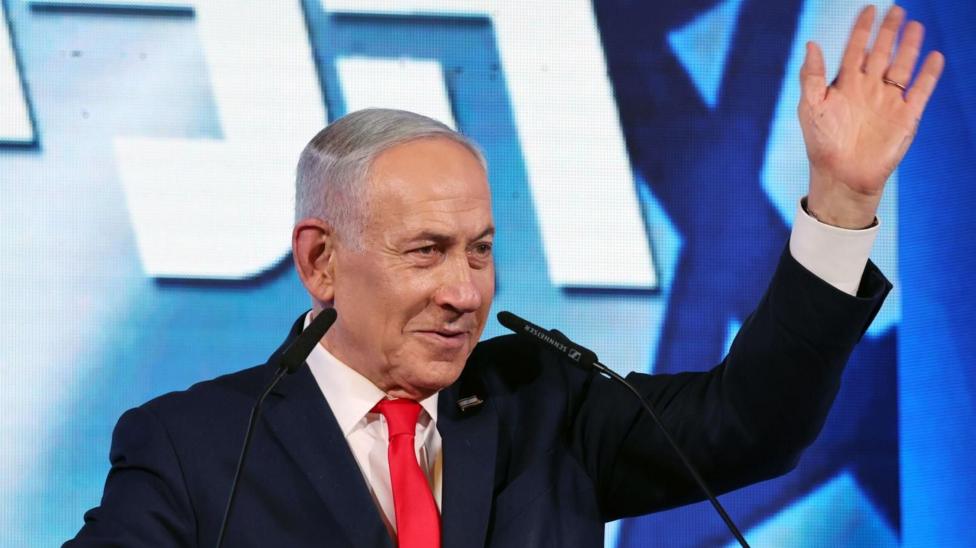
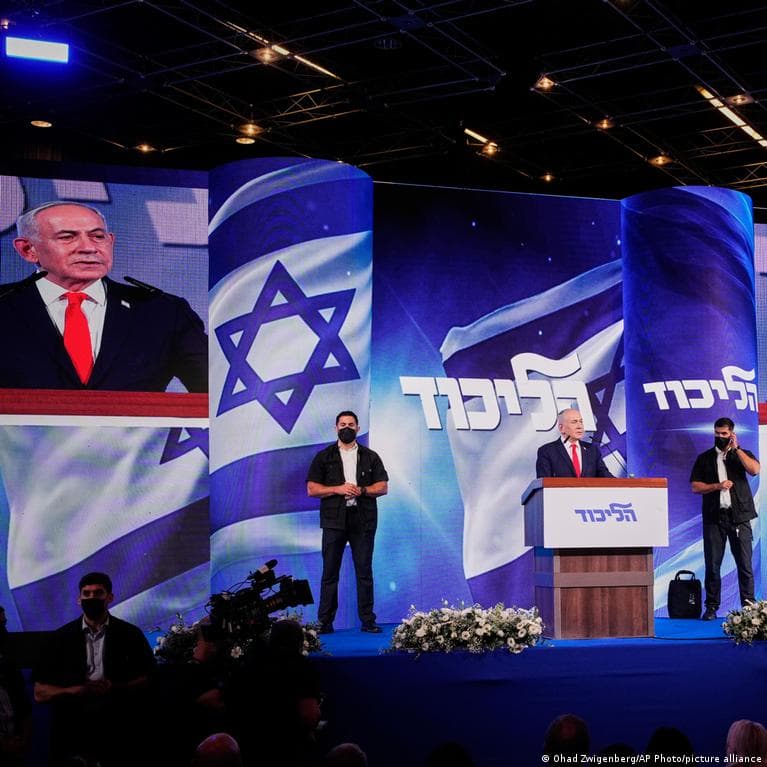
Israel's main opposition leader Gadi Eisenkot and the leaders of the Arab parties sharply criticized Prime Minister Benjamin Netanyahu, who said after the election that there had been outside interference. This was reported by BBC News. Netanyahu's Likud party accused the Arab parties of 'stealing' the election, and the internal security service Shin Bet began checking whether they had received illegal funding from Qatar and Turkey.
Results and the balance of power
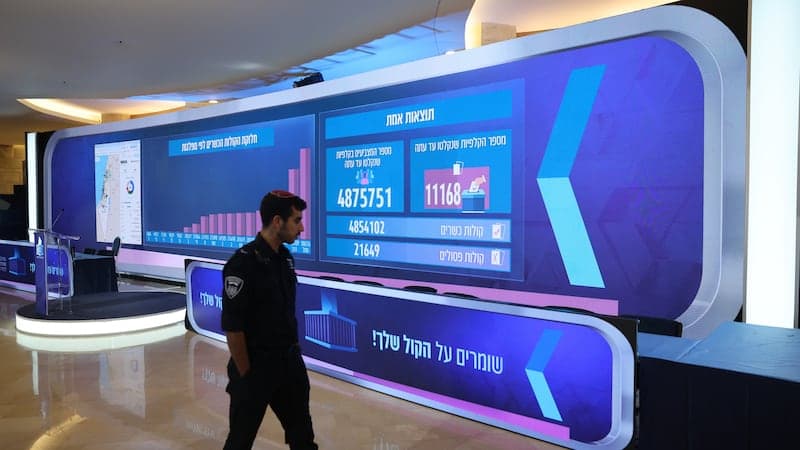
The final results confirmed that neither Netanyahu's bloc nor the Jewish opposition won a majority in the 120-seat Knesset: the prime minister's bloc won 53 seats, Eisenkot's bloc 48. Two Arab lists — the Joint List and Ra'am — won a record 19 seats against expectations, amid record turnout among Arab voters, making them potential 'kingmakers'. According to the BBC, Arab Israelis, who make up about a fifth of the country's population, had boycotted elections for years, but this time turnout was largely motivated by a desire to remove the most right-wing government in Israel's history.
The essence of the funding dispute
On Thursday, Likud claimed that voters had been 'bribed' to vote for the Arab parties — after the head of the Central Elections Committee asked Shin Bet to investigate 'serious suspicions' of outside interference. Israeli media reported that the CEC was presented with an allegation that Qatar had funded turnout-boosting efforts in Arab communities. Qatar's foreign ministry 'categorically' rejected the 'ridiculous and dangerous' accusations and said Israeli politicians were running a disinformation campaign against Doha. Both Arab parties rejected the accusations; the Joint List called them baseless.
Reaction of the security services and the opposition
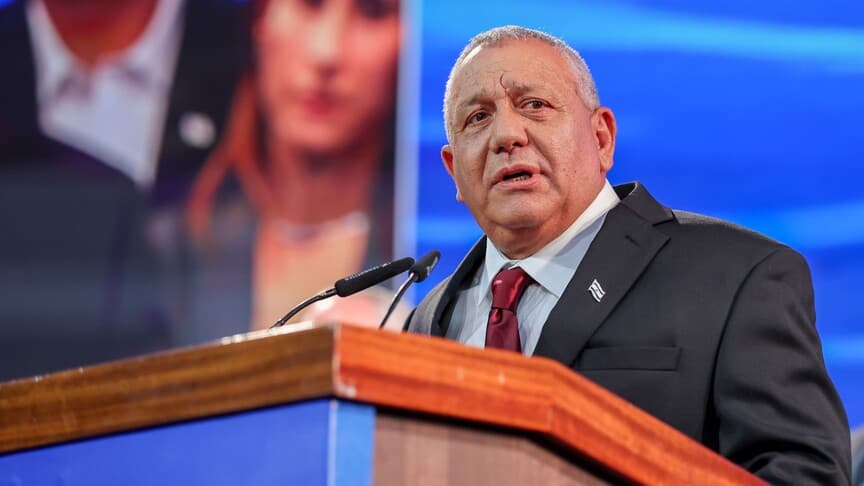
Shin Bet later clarified that the investigation does not concern an entire community that voted legally, and the acting director of the CEC, Din Livne, said there were 'no grounds for claims of systematic violations of electoral integrity'. Eisenkot, who was briefed on the investigation, said it was 'too early to determine what happened, or whether anything happened at all', and accused Netanyahu of 'an organized campaign to delegitimize the election results'. Critics of the prime minister see this campaign as an attempt to make an alliance between Eisenkot and the Arab parties politically impossible — the only path to power for his bloc. The head of the Balad party, Sami Abu Shehade, called the accusation 'a racist blood libel'.
Options for forming a government
According to the BBC's assessment, the final results leave three realistic options: a national unity government including Netanyahu and Eisenkot, a right-wing coalition of Netanyahu with defectors from Eisenkot's bloc, or a government led by Eisenkot with the support of the Arab parties. Earlier, Eisenkot and almost all members of his bloc refused to sit in a government with the Arab parties, but in recent days there have been rumors of a possible deal. A Hebrew University poll showed that voters of all parties in the opposition bloc most favor the option in which Eisenkot forms a minority government with Ra'am, with external support from the Joint List.
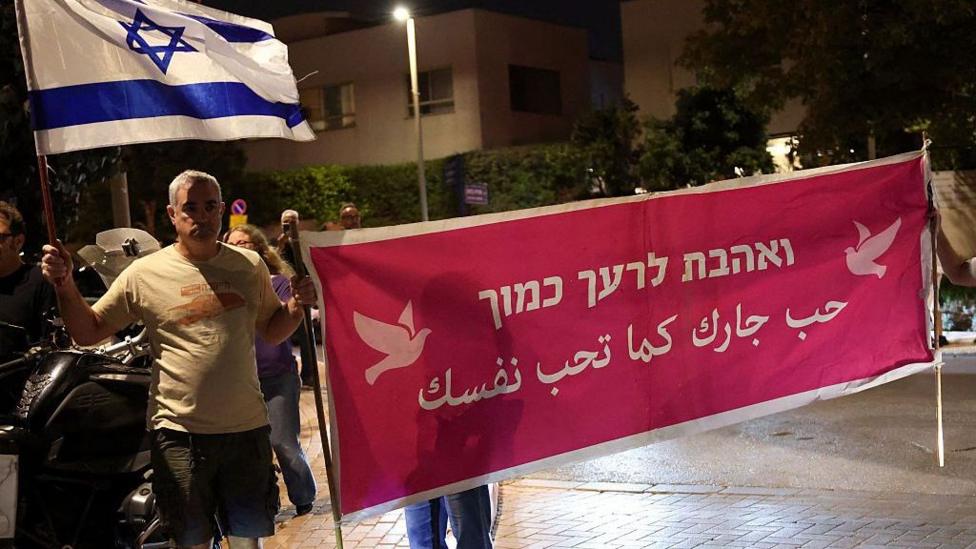 Image source, AFP via Getty Images
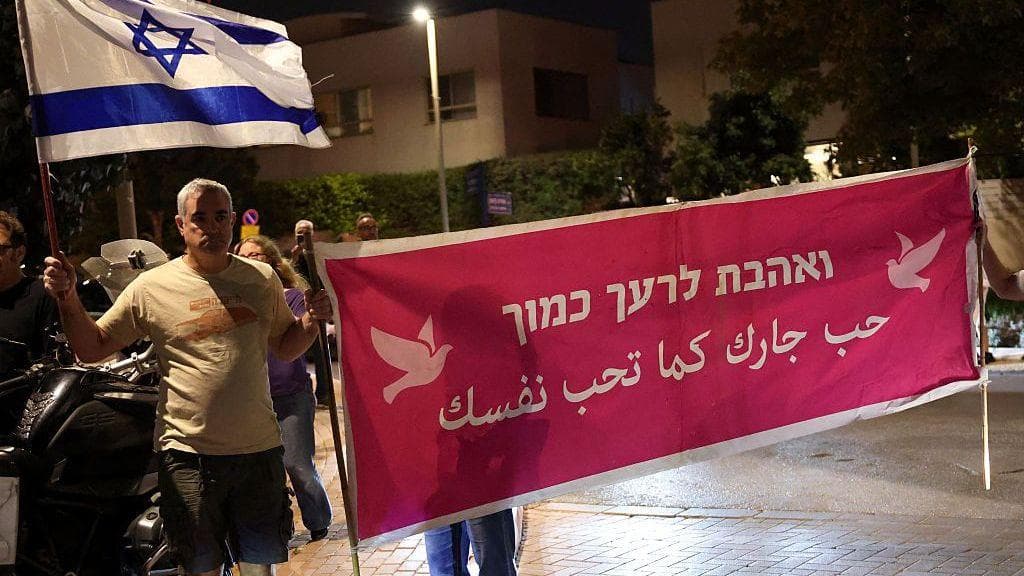
Activists with a placard saying 'Love your neighbour' urge opposition figure Gadi Eisenkot to try to form a government that includes Arab-led parties
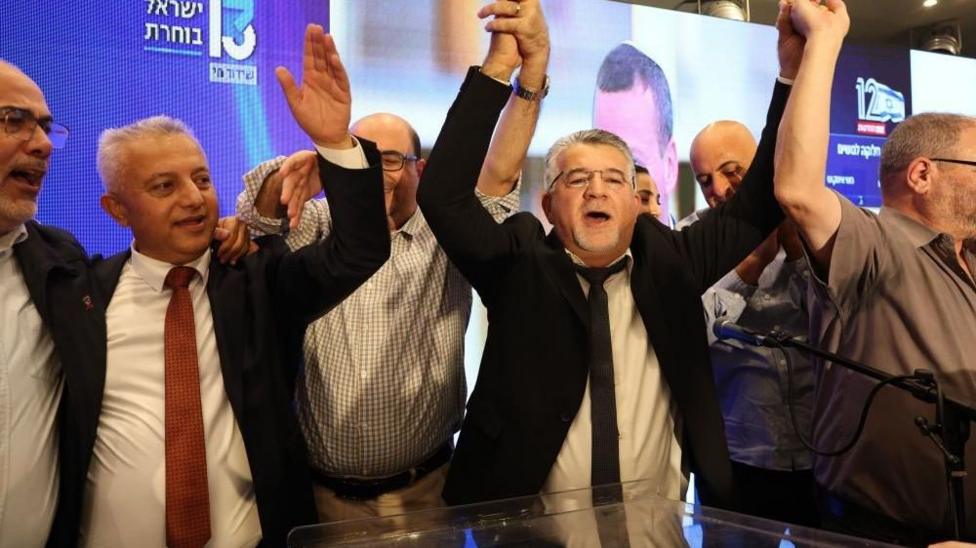 Image source, EPA
Arab-led parties including the Joint List headed by Yousef Jabareen (C) won a record 19 seats and could play a kingmaker role