The key facts
- Netanyahu's bloc came out ahead but did not win a majority in the 120-seat Knesset; the Arab parties Joint List and Ra'am won a record 19 seats
- Eisenkot said he would try to form a 'Zionist government', although opposition parties had ruled out an alliance with the Arab lists before the election
- President Herzog is holding consultations; the candidate tasked with forming a government gets up to 28 days with a possible 14-day extension
Results and the line-up in the Knesset
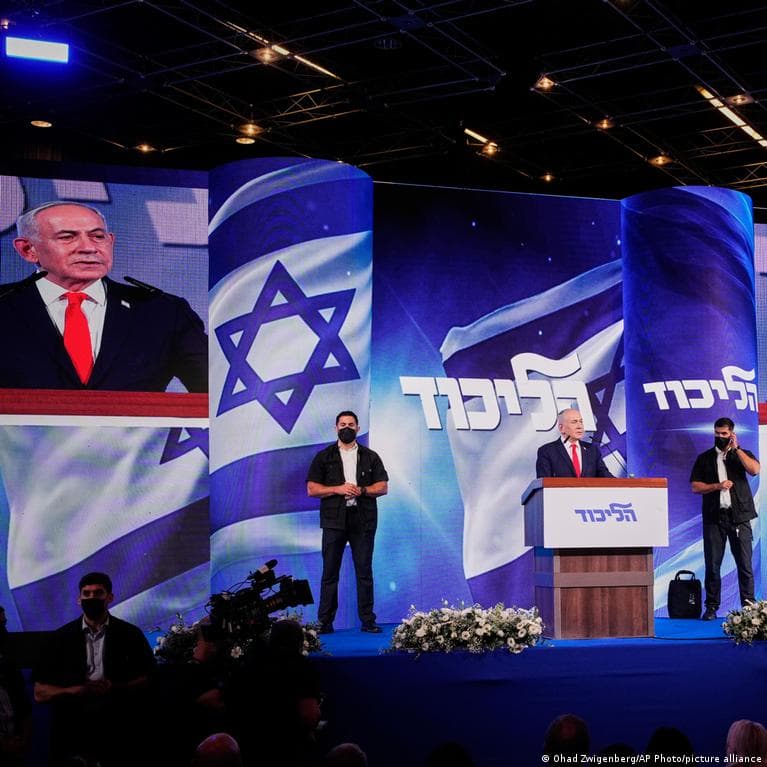
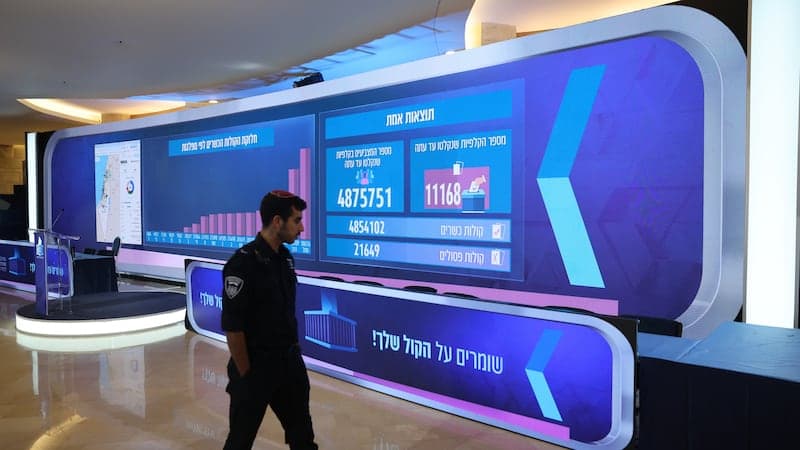
The bloc of incumbent Prime Minister Benjamin Netanyahu came out ahead in Israel's election, but failed to secure a majority in the 120-seat Knesset. This is reported by Euronews. The Arab parties — Joint List and the United Arab List (Ra'am) — achieved a record result, winning a combined 19 seats, which effectively turned them into 'kingmakers': the opposition camp led by Gadi Eisenkot's centrist party Yashar fell short of a majority.
The opposition's coalition dilemma
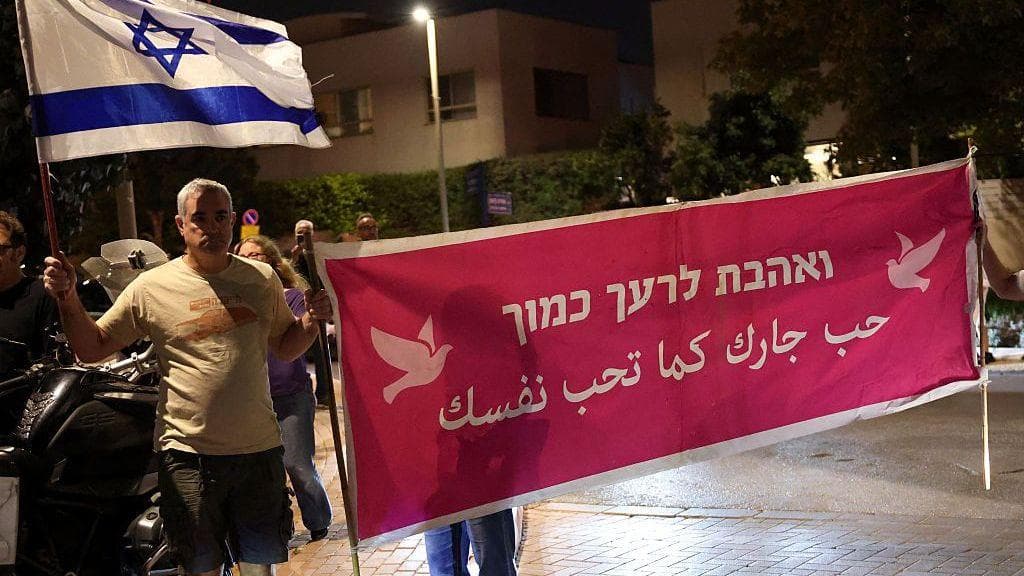
Eisenkot's problem is that almost all parties of the opposition 'bloc of change' more or less explicitly ruled out cooperation with the Arab lists before the election — this applies to Yashar, B'Yachad, Yisrael Beiteinu and the Democrats. Any deal now will likely require them to break their campaign promises. Eisenkot himself said after the election that he would do everything possible to form a 'Zionist government', and, according to The Times of Israel, called on Netanyahu to resign; he also spoke about universal national service.
The Palestinian side's position
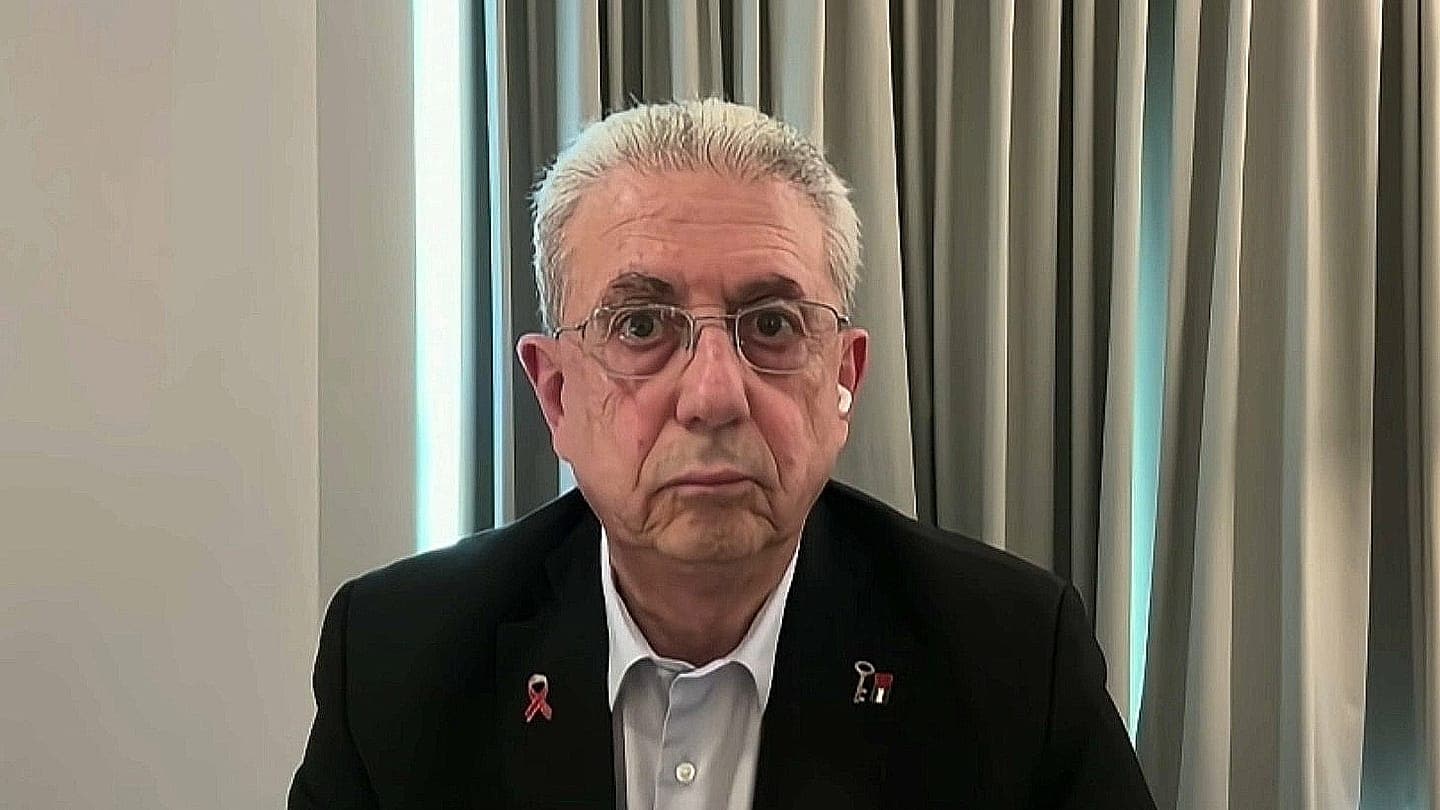
Mustafa Barghouti, leader of the Palestinian National Initiative, told Euronews that removing Netanyahu from power was 'the most important thing' and said a government led by Eisenkot would be better for Palestinians. In his view, Eisenkot should rely on the Arab deputies of the new Knesset and sideline ministers Bezalel Smotrich and Itamar Ben-Gvir, whom Barghouti called 'fascists'. He attributed to Netanyahu responsibility for the war in Gaza, 'the intensification of ethnic cleansing' in the West Bank, the wars with Lebanon and Syria, and threats against Jordan. At the same time, Barghouti stressed that, in his words, all of Israel's 'Zionist parties' — both in government and in opposition — reject Palestinian rights, including statehood and self-determination.
Whom the Arab parties represent
The Arab lists represent just over 2 million Palestinians who are citizens of Israel, about 21% of the country's population; Palestinians of the West Bank and Gaza (5.5 million people without Israeli citizenship, according to Euronews) do not take part in the elections. This part of the electorate, the outlet notes, supports ending the war in Gaza, stopping Israeli settlement in the West Bank, and mostly favours a two-state solution.
Settlement activity and the government-formation procedure
According to a UN report cited by Euronews, settlement activity in the West Bank has reached an unprecedented level over the past two years; in total, according to the UN, there are more than 400 settlements and outposts, illegal under international law. Barghouti said that the removal of the settlements is the only way to preserve Palestinian statehood: 'We are not leaving. We are here. We will stay. We will resist.' What happens next depends on coalition negotiations: President Isaac Herzog will hold consultations with party leaders and task the candidate with the best chances of forming a government. That candidate will have a maximum of 28 days, with a possible 14-day extension; if they fail, the mandate may go to a second candidate, then a third for 14 days, and in the event of a complete deadlock new elections are called — as happened four times in 2019–2022.