The key facts
- Netanyahu's Likud won 20.5% of the vote and 27 seats, but the Netanyahu bloc holds 53 of 120 seats, short of the 61-seat majority
- Eisenkot's bloc has 48 seats; the Arab parties (19 mandates) offered support to an anti-Netanyahu government
- Netanyahu alleged fraud and bribery involving the Arab parties; they rejected the 'baseless accusations', and Qatar also rejected the claims
Results and balance of power
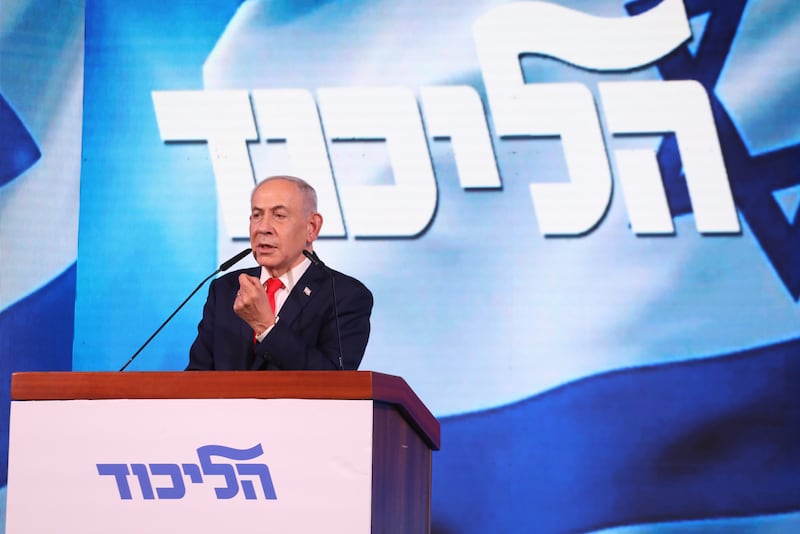
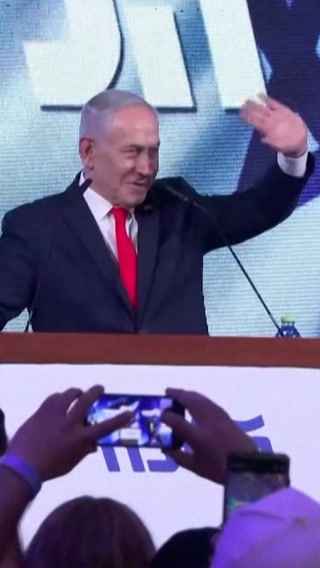
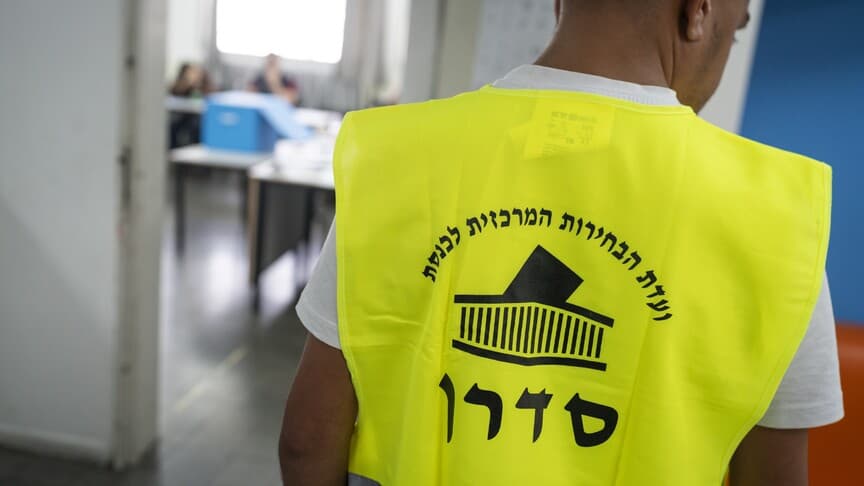
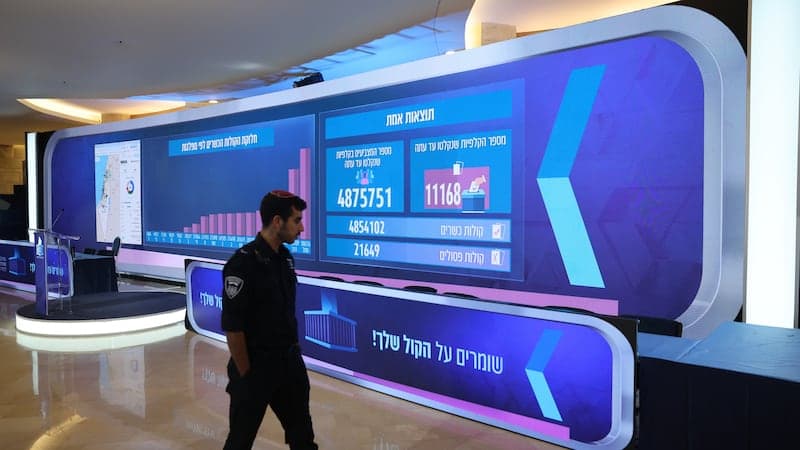
Israeli politicians have begun coalition talks after the completion of the vote count in the general election, which confirmed that neither Prime Minister Benjamin Netanyahu nor his main rival Gadi Eisenkot has an obvious path to power. This is reported by The National. Netanyahu's Likud became the largest party with 20.5% of the vote — a better result than expected — yet the 53 seats held by the bloc of the incumbent prime minister and his right-wing allies fall short of the required 61 out of 120 seats in the Knesset.
Three blocs and a record for the Arab parties
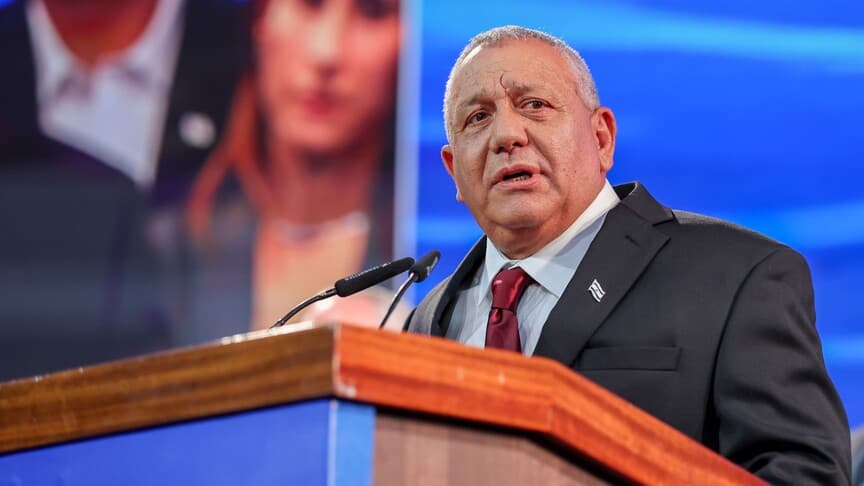
Eisenkot's Yashar party came second with 16.1% of the vote. Supporters of the former general control 48 seats in total: Yashar itself has 21, the alliance of former prime ministers Yair Lapid and Naftali Bennett has 12, the centrist-left Democrats have eight, and Yisrael Beiteinu has seven. In Netanyahu's camp, besides Likud's 27 mandates, the parties of Itamar Ben-Gvir and Bezalel Smotrich won seven and six seats respectively, with the rest going to two ultra-Orthodox parties. The Arab parties took the remaining 19 seats — a record result: the Joint Arab List won 11 mandates and the Raam party eight. Turnout in Arab communities rose sharply; according to Israeli broadcasters, it may have reached 80%, and some voters who had previously boycotted elections voted for the first time.
Accusations and negotiations
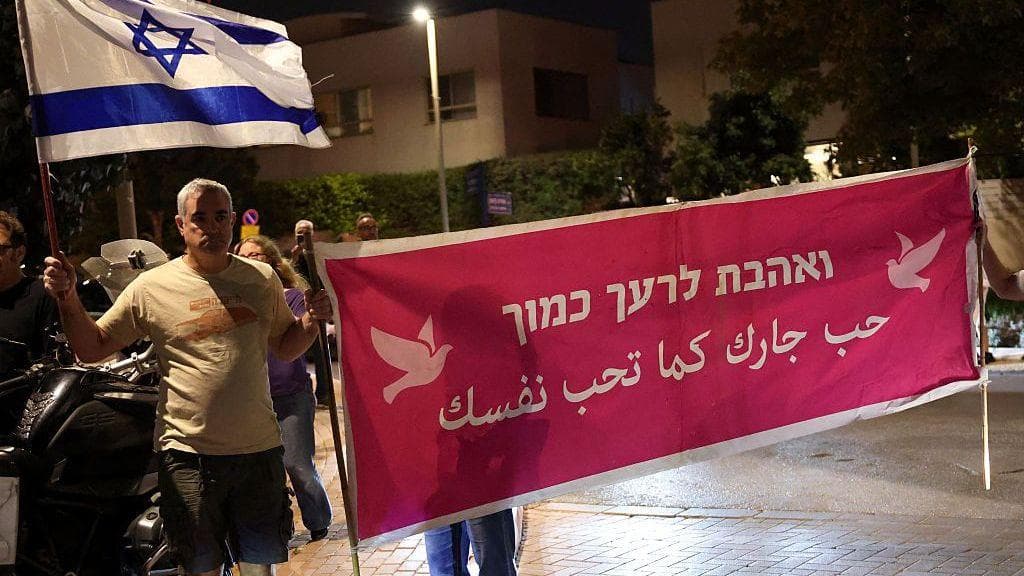
The final day of counting was accompanied by mutual accusations of interference. Netanyahu alleged fraud and bribery involving the Arab parties; on Thursday they rejected the 'baseless accusations' and accused Likud of undermining the legitimacy of the vote. Qatar also issued a rebuttal of claims about its involvement. Likud is demanding that Israeli intelligence services investigate claims of falsification; critics believe the escalation of attacks on the Arab parties may be an attempt to prevent Eisenkot from forming a minority government with their support. Eisenkot himself pledged to act 'calmly and decisively' and not to allow the swearing-in of the new Knesset to be delayed 'by a single inch', despite the review of the results. He has already met with the leader of the Democrats, Yair Golan, who is also holding talks with Lapid and the leader of the Arab party, Mansour Abbas; Golan declared: 'The Israeli citizens have sent Netanyahu into retirement.'
What comes next
There is no simple path to 61 seats in sight. The leaders of the Arab parties have offered support to an anti-Netanyahu government, which would theoretically give Eisenkot a majority, but reliance on the Arab parties would be highly contentious within Israel — some of Eisenkot's allies ruled out such an option during the campaign. The alternative for Netanyahu is to lure away deputies from Eisenkot's camp, some of whom sit on the right wing, but all of them campaigned under the slogan of removing Netanyahu, whose policies, as the publication notes, led to accusations against Israel of war crimes and genocide. After the final ratification of the results, President Isaac Herzog will task one of the deputies with forming a coalition; he called on the parties to avoid an early repeat election and to negotiate 'with an open heart'. If neither Netanyahu nor Eisenkot can gather 61 votes, new elections are possible at the beginning of next year. For now, Netanyahu remains in power, and, according to The National, there are expectations that he may use this interval for new strikes on Iran; the United States, according to the publication, is also considering new strikes after the midterm elections next week.