The key facts
- On Shota Rustaveli, passenger flow grew by 9% to 98,000 trips per day, bus speed rose from 16 to 20 km/h, and business revenue increased by 29%
- On Shota Rustaveli, passenger traffic grew by 9% to 98,000 trips per day, bus speeds rose from 16 to 20 km/h, and business revenue increased by 29%
- At-grade crossings to all stops, barrier-free access and bike lanes at roadway level were not implemented from the project
- Soliev calls for analyzing pilots' mistakes rather than copying their solutions onto new streets
- Soliyev calls for analyzing pilot mistakes rather than copying their solutions onto new streets
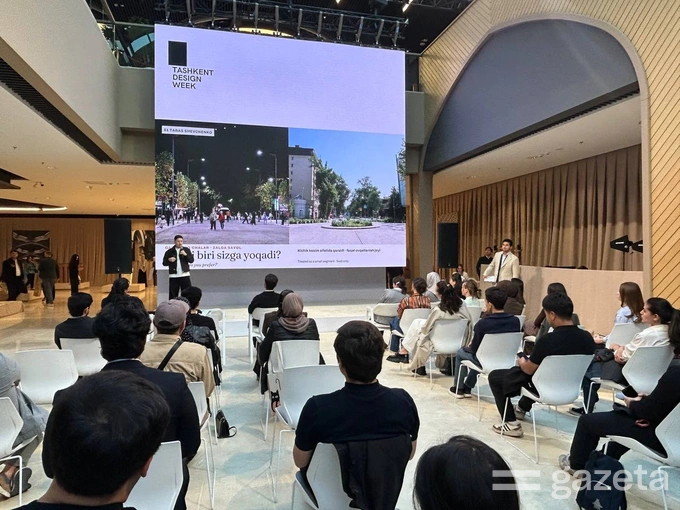
A talk at Tashkent Design Week
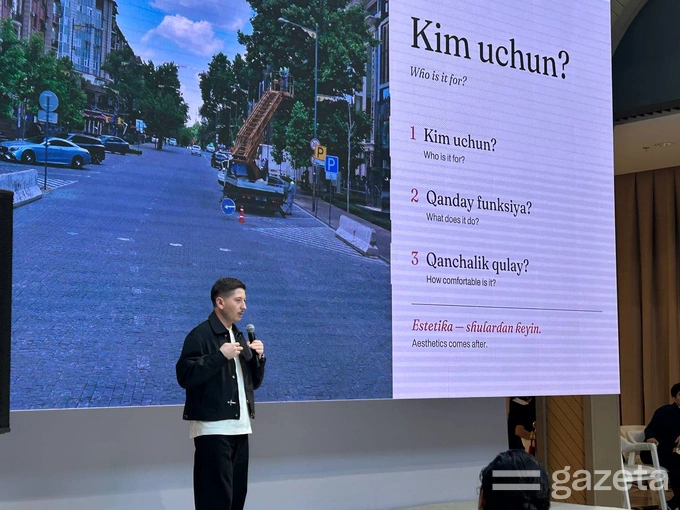
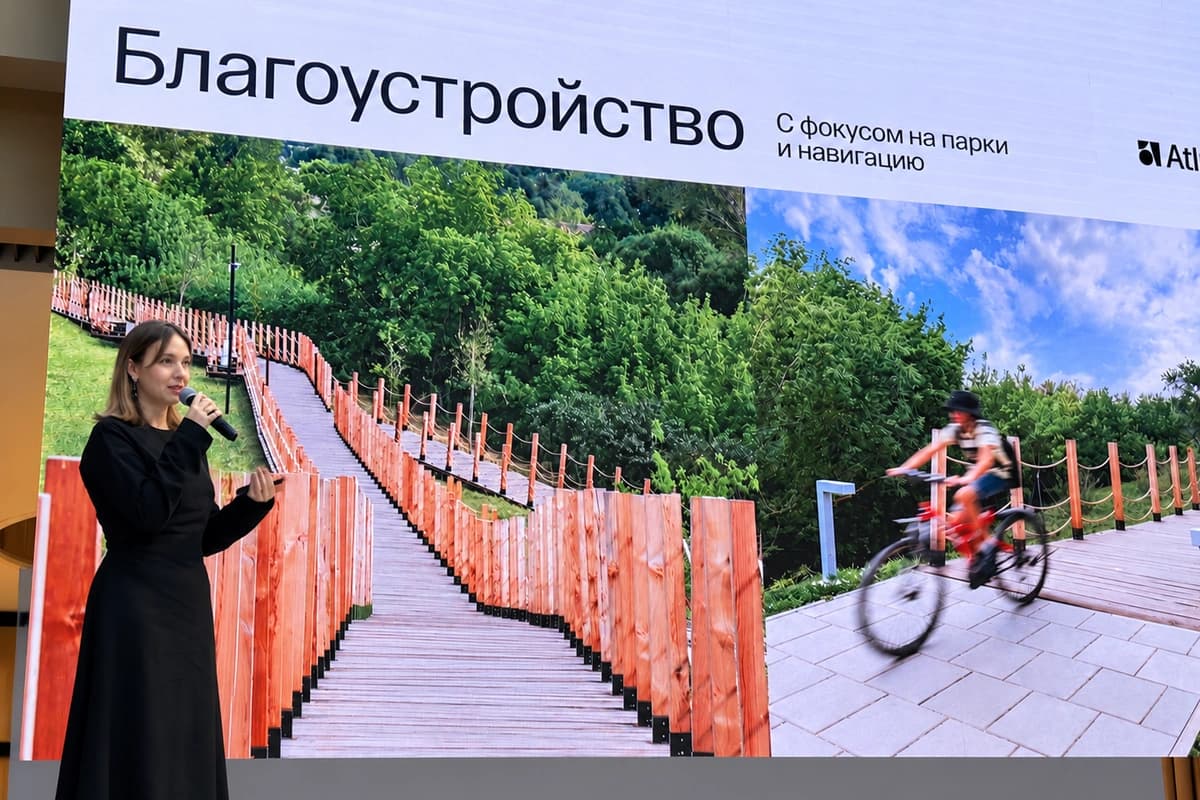
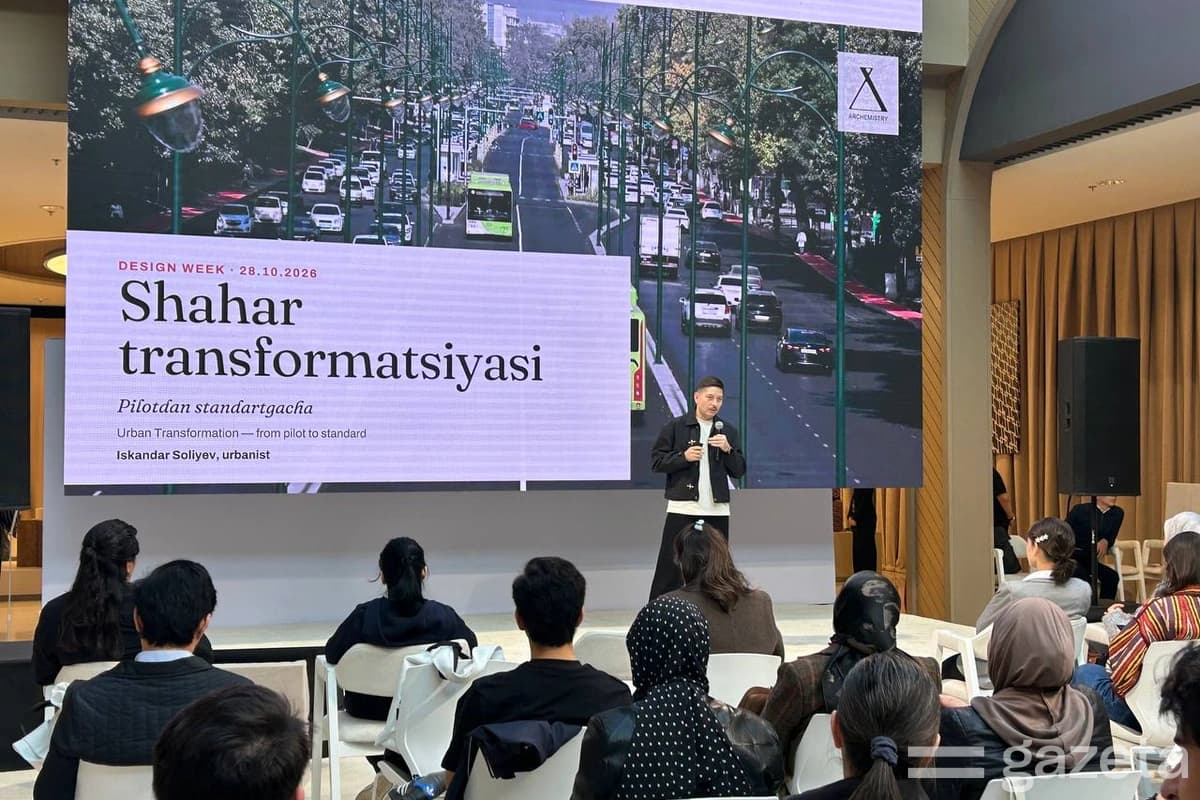
A street can get landscaping, new sidewalks and bike lanes, yet remain inconvenient for people. Urbanist and architect Iskandar Soliev, who took part in developing the original design of Shota Rustaveli Street, spoke about this on October 28 at Tashkent Design Week 2026 — as reported by Gazeta. According to him, when designing a street, three questions must first be answered: who it is being created for, what functions it should perform and how convenient it is, and only then should its appearance be considered. Professional analysis of the urban environment, he added, is often perceived as criticism, although the task of specialists is to identify shortcomings and propose solutions for future projects.
Shota Rustaveli: the project and its implementation diverged
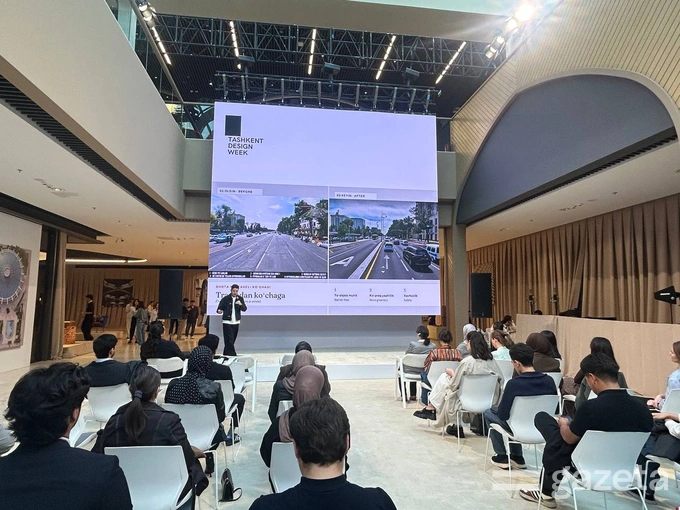
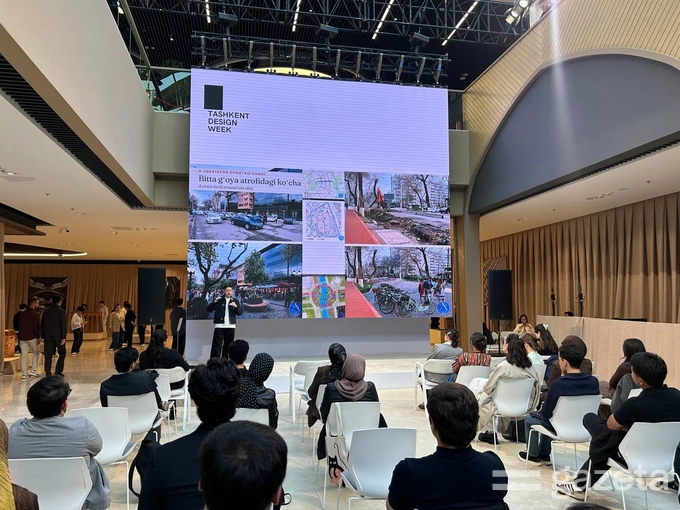
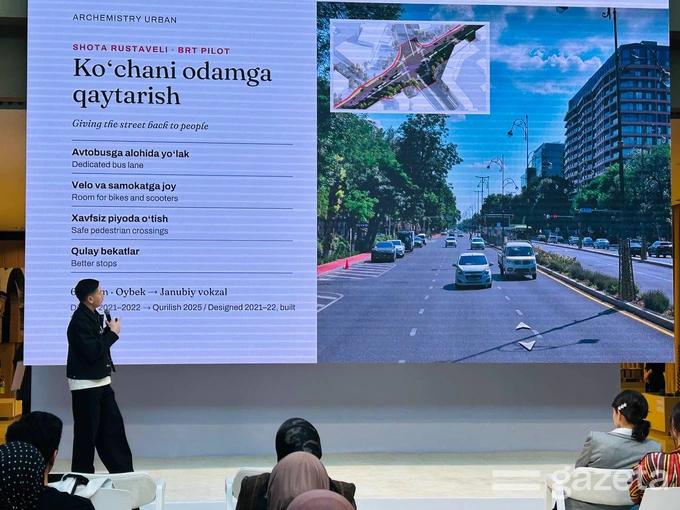
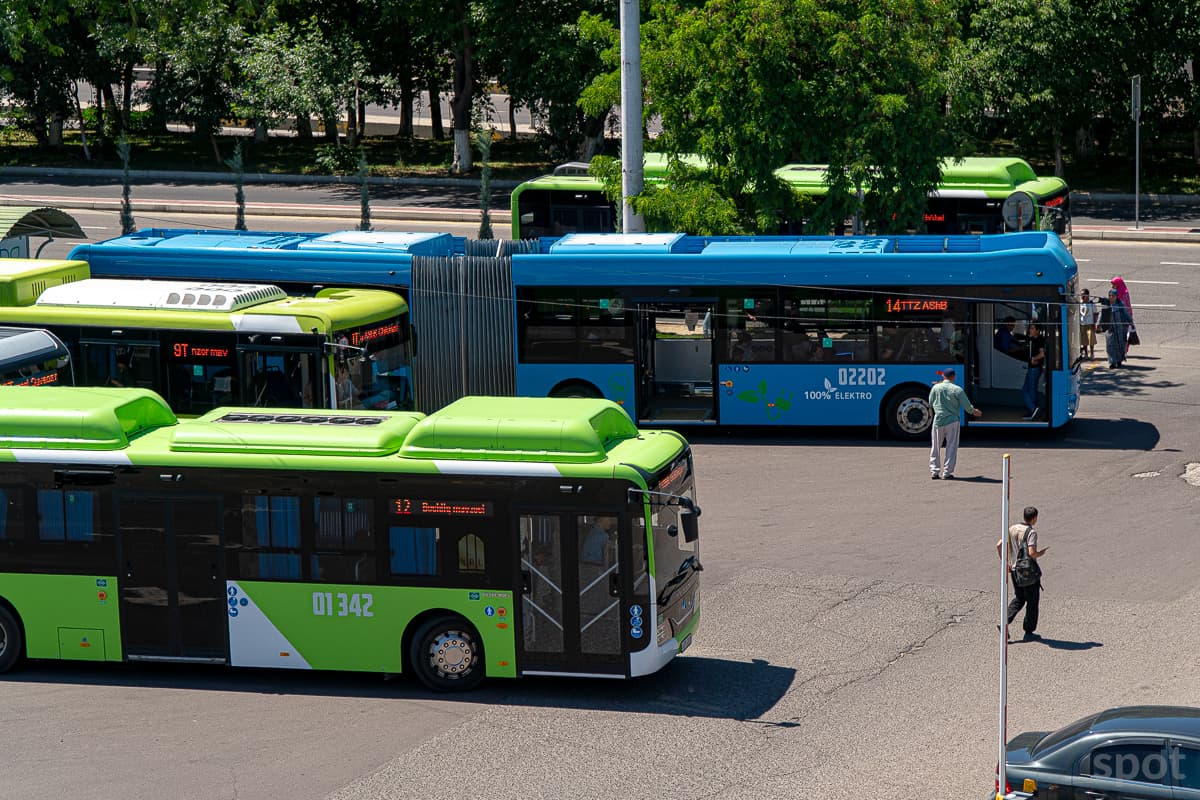
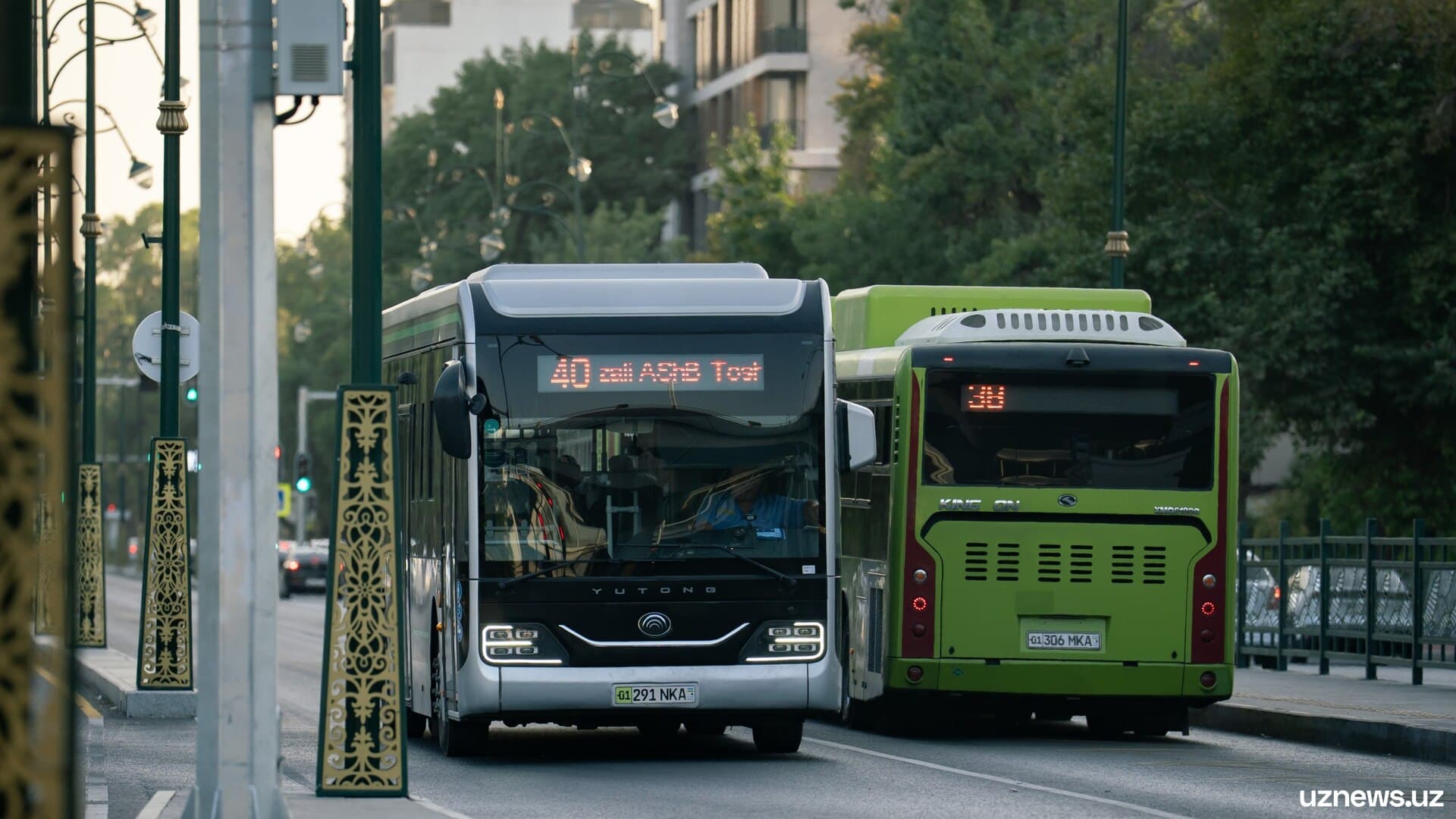
After tram service was discontinued, Shota Rustaveli, in Soliev's assessment, turned into a wide and dangerous arterial road for pedestrians, where cars parked in two or three rows. In 2022, with the participation of UNDP, the Global Environment Facility, the Ministry of Transport and the Tashkent Transport Directorate, a project office was created; before that, ecology, noise, pedestrian safety and rush-hour flows were studied. The first versions included trams, but they were postponed in favor of a green corridor for public transport — a BRT system with crossings at every stop and intersection. The section was six kilometers long, and implementation began in 2025 after the documentation was handed over to the khokimiyat — and that was when some of the solutions changed.
What changed during implementation
Soliev listed the deviations from the original project. Turn lanes appeared at intersections — because of this, he said, drivers began making U-turns in small mahallas, and congestion arose not only on the main road but also on the internal streets of the neighborhoods. At-grade crossings to all stops and barrier-free access to the 50-meter pavilions on both sides were not implemented. Bike lanes, instead of being at roadway level with a buffer zone next to parking, were made raised, which, in the architect's assessment, reduced their safety. Even so, the pilot produced measurable results in its current form: passenger flow grew by 9% to 98,000 trips per day, the average bus speed rose from 16 to 20 km/h (about 25%), and, according to a study by the project team, business revenue on the section increased by 29%, while rents also rose.
Uzbekiston Ovozi and new mistakes
The radical transformation of Uzbekiston Ovozi Street, according to Soliev, was laid out in a project by the Russian firm Lyudi Architects: previously, pedestrians were hindered by sidewalk level changes every ten meters; now the street has become greener and safer, two- and three-row parking has disappeared, and the street itself connected the eco-park with the park behind the Uzbekistan hotel. Among the shortcomings, he named the zigzag turns of the bike lanes and the weak connection of the end sections of both streets with neighboring streets.
Why pilots should not be copied
Soliev's main conclusion: implementing a pilot does not mean its solutions can be transferred to other streets unchanged. The sequence, in his view, should be as follows: pilot project, analysis, correction of mistakes, and a better street at the next stage. He gave the example of the BRT extension from Shota Rustaveli through Shahrisabz Street to Amir Temur: there, problems that could have been identified during analysis are repeated — long stop platforms that cause people to cross the road in the wrong places, a lack of green strips and shade, and bike lanes on sidewalks that, with heavy traffic, create danger for pedestrians and tension between road users. In conclusion, he suggested comparing Uzbekiston Ovozi and Taras Shevchenko Street: both are connected to two parks, but on Shevchenko pedestrians still use stairs instead of a barrier-free environment, even though a continuous green corridor could be created there from the alley near the railway station toward the Museum of Arts. «Over time, the solutions obtained should become a standard,» the urbanist concluded.