The key facts
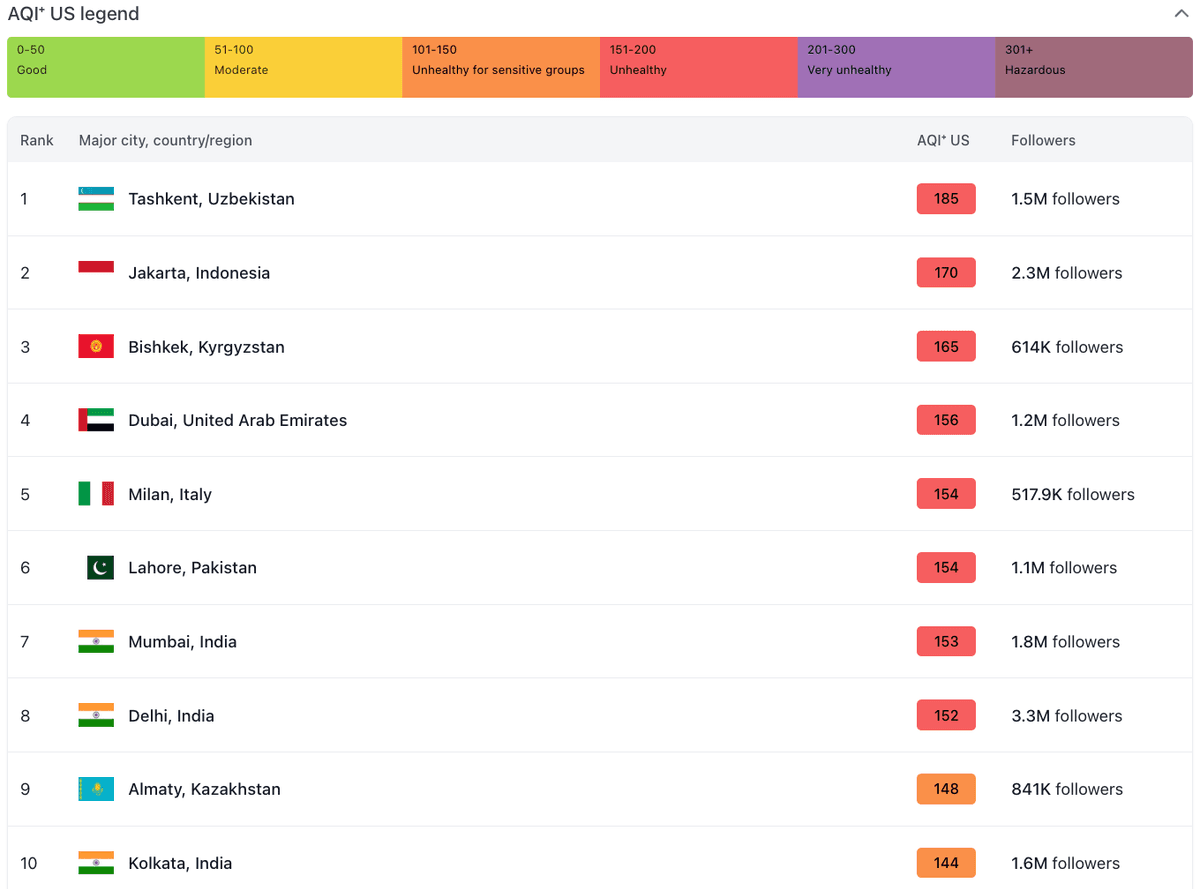
- On October 28, Tashkent topped the IQAir global air pollution ranking with an AQI of 185 ('Unhealthy' category)
- It was followed by Jakarta (170), Bishkek (165), Dubai (156), Milan and Lahore (154 each)
- One of the reasons is the lack of precipitation: by October 26, Tashkent had received 3.9 mm against a monthly norm of 23.7 mm
First place in the global ranking
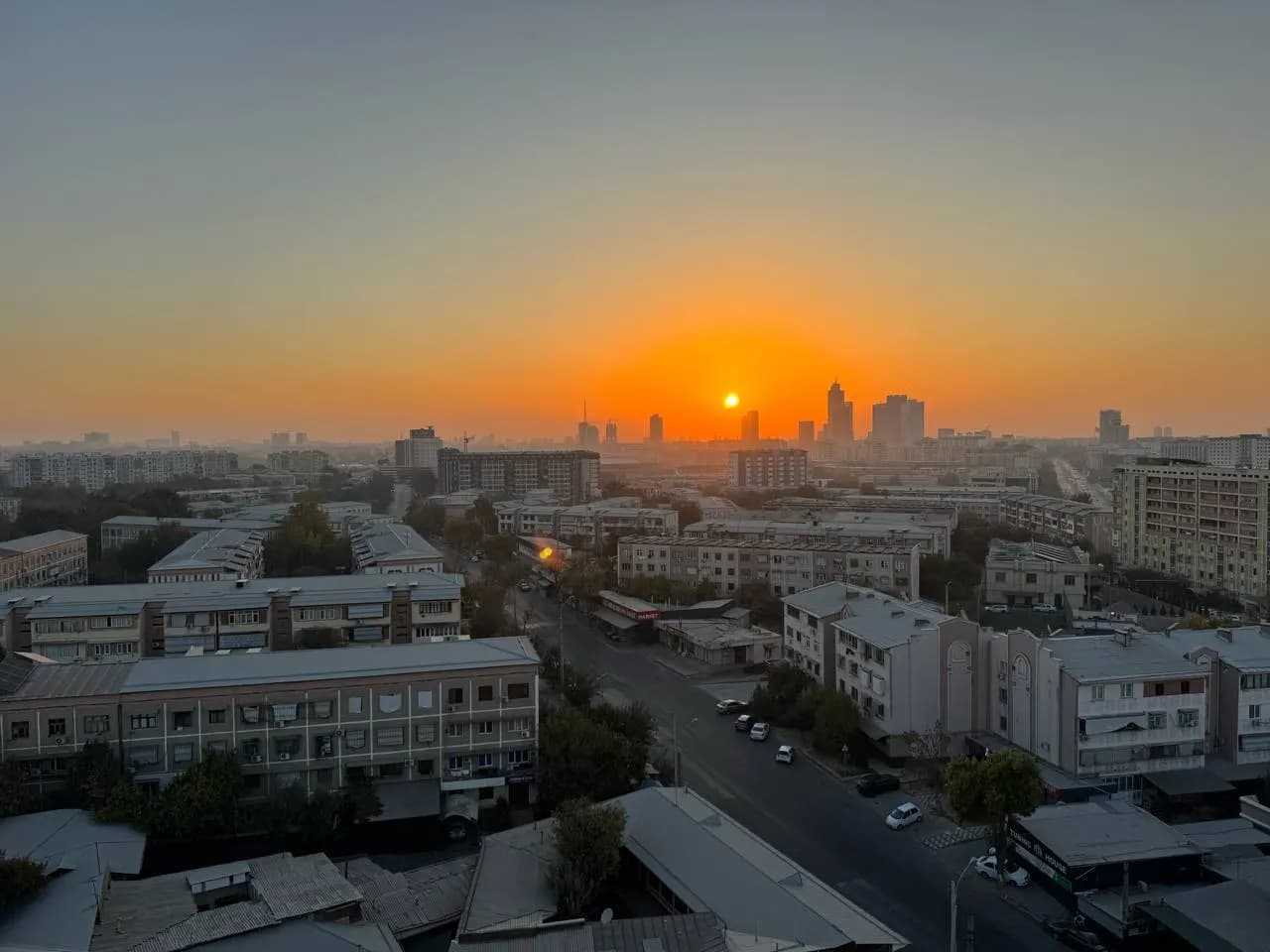
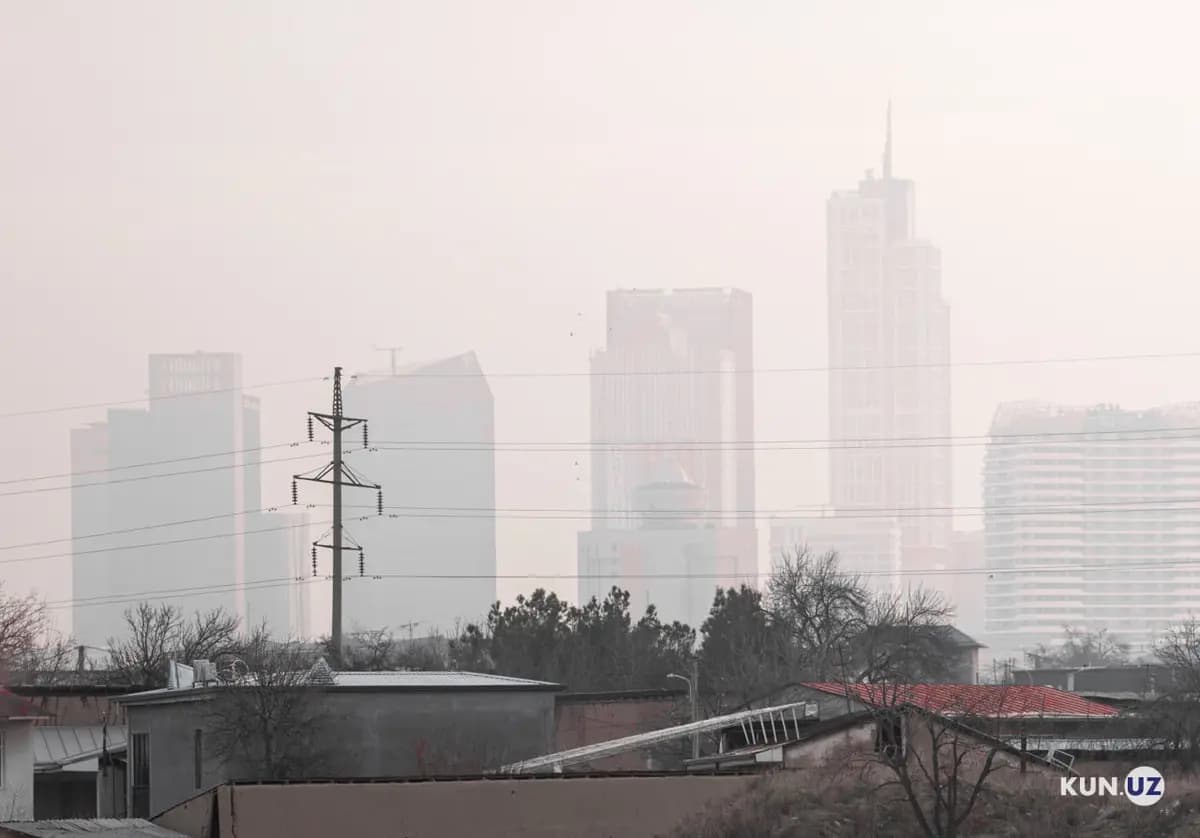
On October 28, the capital of Uzbekistan ranked first among the world's major cities in terms of air pollution. According to the international monitoring platform IQAir as of 17:57 local time, the air quality index (AQI US) in Tashkent stood at 185, which falls into the 'Unhealthy' category. This was reported by Kun.uz.
The gap with other cities is small
Second place in the ranking went to Jakarta (170), third to Bishkek (165). They were followed by Dubai (156), Milan (154), Lahore (154), Mumbai (153), Delhi (152), Almaty (148) and Kolkata (144). The gap between Tashkent and the cities below it is small, and since the IQAir ranking updates in real time, cities' positions may change during the day. Up-to-date data is available on the website iqair.com and in the AirVisual app.
What an index of 185 means
On the AQI scale, values in the range of 151–200 mean that anyone may feel the harmful effects of the air, while sensitive groups may face more serious consequences. These groups include children, the elderly, pregnant women, and people with heart and respiratory conditions. On such days, experts recommend not spending long periods outdoors, moving outdoor physical activities to other times, ventilating rooms during hours when the air is relatively cleaner, and using N95/FFP2 respirators outdoors: an ordinary medical mask provides virtually no protection against fine particles.
Why the air becomes polluted: weather and measurements
It was previously reported that during the cold season, air pollution in Tashkent is influenced by reduced wind speed, temperature inversion and anticyclonic processes. According to Doctor of Geographical Sciences Bakhtiyor Kholmatjonov, under such conditions pollutants accumulate in a layer close to the ground. An additional factor was the lack of precipitation: according to the National Center for Climate Change, by October 26 only 3.9 mm of precipitation had fallen in Tashkent against a monthly norm of 23.7 mm — as a result, dust is washed out of the air less effectively. According to the same data, in recent years the number of unfavorable meteorological conditions associated with weak winds and low precipitation in the cold season has increased by 57%.
What is being done to identify sources
To identify pollution sources, the Specialized Center of the Atmospheric Laboratory collects air samples through special filters in all districts of Tashkent and analyzes them. In the future, this experience is planned to be extended to the entire republic.