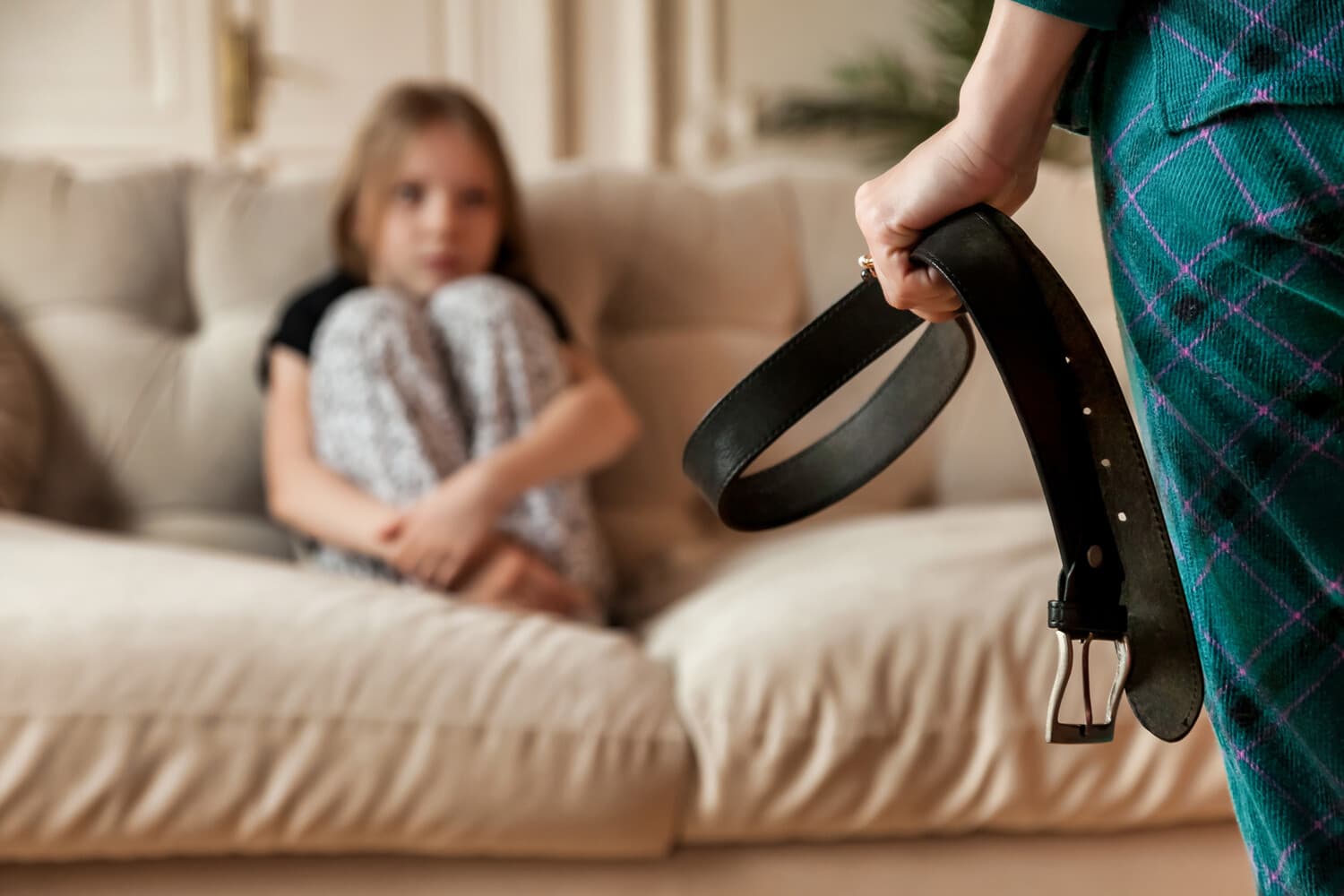
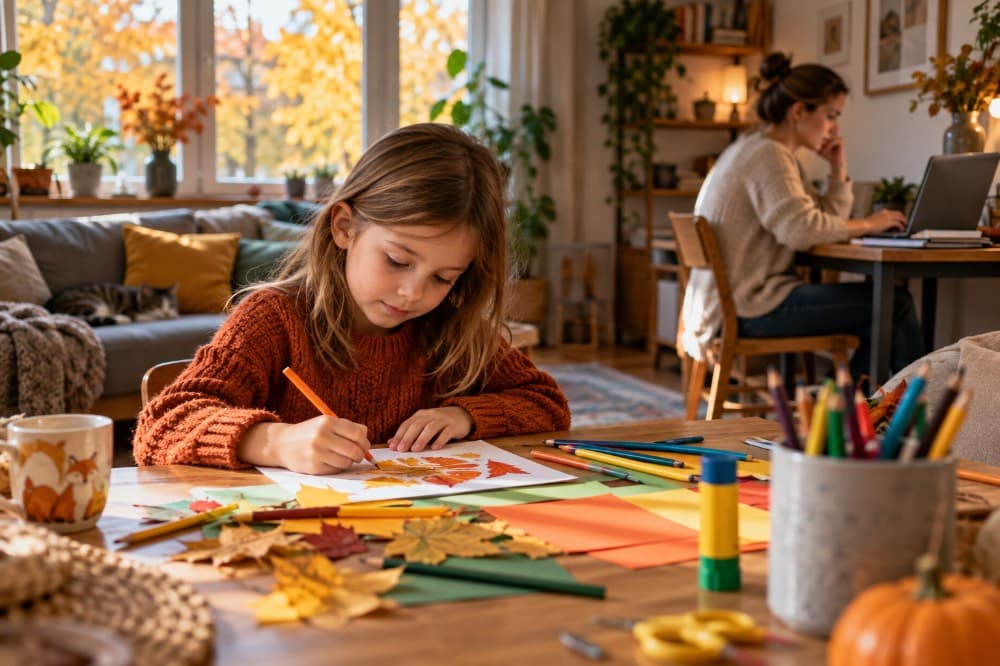
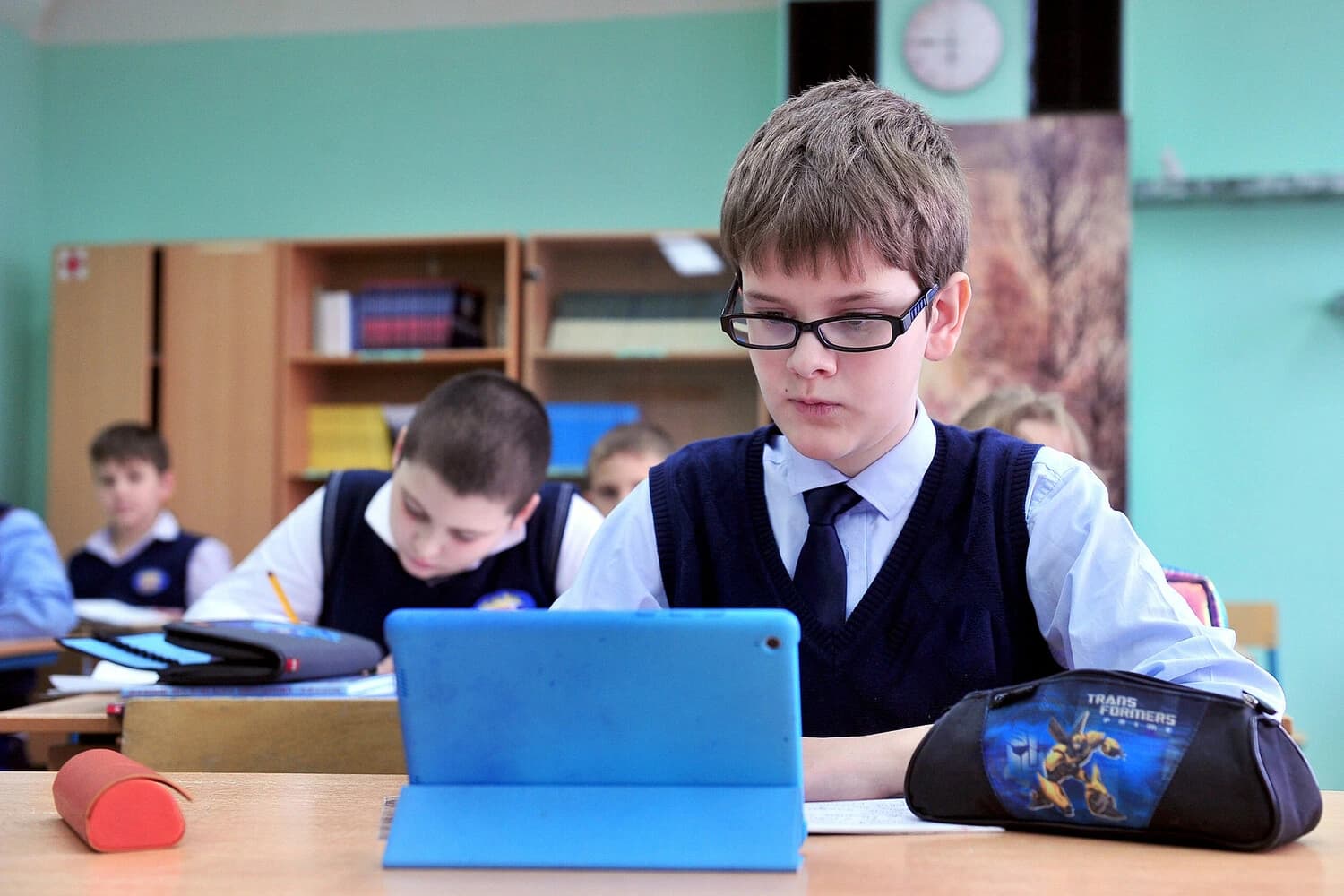
Clinical psychologist Tatyana Kotovich told Gazeta.Ru which disciplinary methods traumatize a child, why ignoring is more dangerous than the belt, and how to build boundaries through consistency and calm.
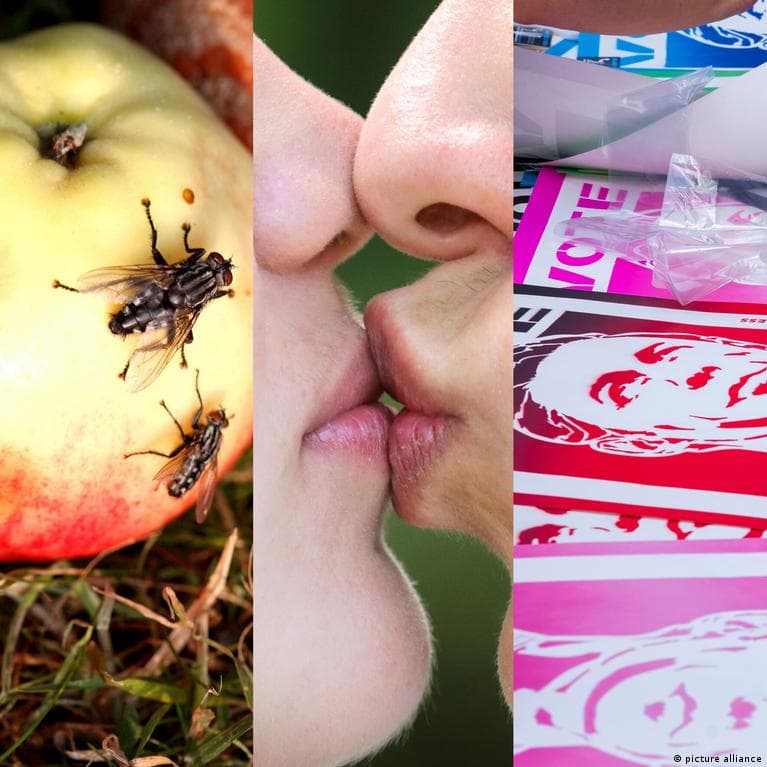
Research reviews indicate that sensitivity to disgust is associated with socially conservative views, though the connection is weak and inconsistent. Liberals and conservatives feel disgust toward different objects, and new data on 'bodily awareness' remain preliminary. A review of studies shows: disgust sensitivity is associated with socially conservative views, but the link is weak and ambiguous. Liberals and conservatives feel disgust at different things, and new data on 'bodily awareness' are still considered preliminary.
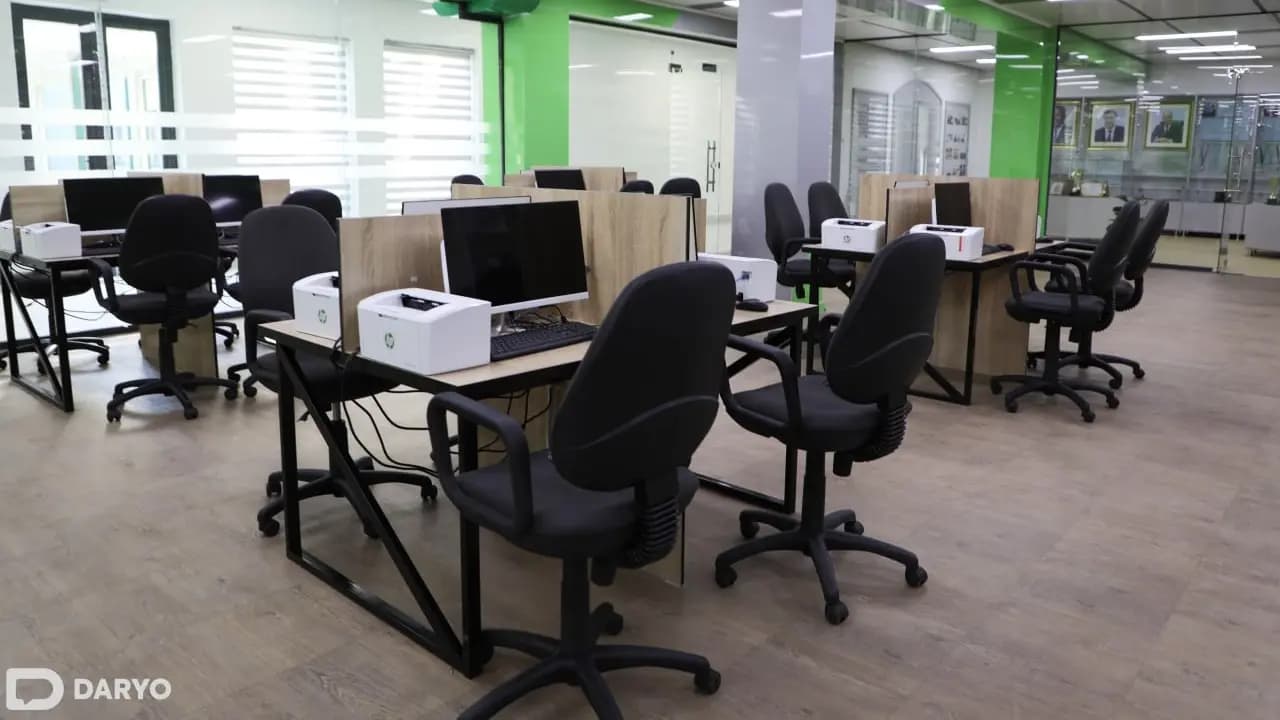
A presidential decree of Uzbekistan provides for the establishment of a Research Institute of Psychology. From January 1, 2027, three laboratories will begin operating there, including a laboratory of digital psychology and AI. Teachers and students will undergo psychological diagnostics at least once a year, and psychologists will be required to upskill once every five years.
Business psychologist Vitalia Avetova told Gazeta.Ru why the desire to make an expensive purchase arises after a bad day: this is how a person tries to quickly compensate for negative emotions and regain a sense of control. She also listed the warning signs that indicate emotional shopping has become a problem.
Marta Uvarova, a psychologist at the Bud Zdorov (Be Healthy) clinic in Sochi, told Gazeta.Ru that autumn blues are the body's adaptation to the short daylight hours, which usually passes within two weeks. If the symptoms last longer and interfere with work, this is a reason to see a specialist.
Starting October 26, Russian schoolchildren who study in quarters began their autumn break. Child psychologist Darya Dugentsova told Life.ru how to organize a child's time: keep familiar activities, divide leisure into shared and independent, and not fill every day with entertainment. From October 26, Russian schoolchildren studying on a quarter system began their autumn break. Child psychologist Darya Dugentsova told Life.ru how to organize a child's time: keep their usual activities, divide leisure time into shared and independent activities, and avoid filling every day with entertainment.
A study involving 30 people who reported unusual experiences showed that the higher a person's creativity, the more real the visual images in a dimly lit mirror seem. The work was published in the Journal of Anomalous Experience and Cognition.
Life.ru publishes an analysis of the phenomenon where familiar trifles — a question about tea, a notification or a slow website — begin to cause disproportionate irritation. Psychologists link this to a narrowing of the 'window of tolerance' — the range of arousal within which a person can think normally and cope with stress. Among the causes cited are overload, the information flow and lack of sleep, while among the signs are anxiety and bodily reactions. Life.ru publishes an analysis of the phenomenon where familiar little things — a question about tea, a notification, or a slow website — begin to cause disproportionate irritation. Psychologists link this to a narrowing of the 'window of tolerance' — the range of arousal within which a person can think normally and cope with stress. Among the causes cited are overload, information flow, and lack of sleep; among the signs are anxiety and bodily reactions.
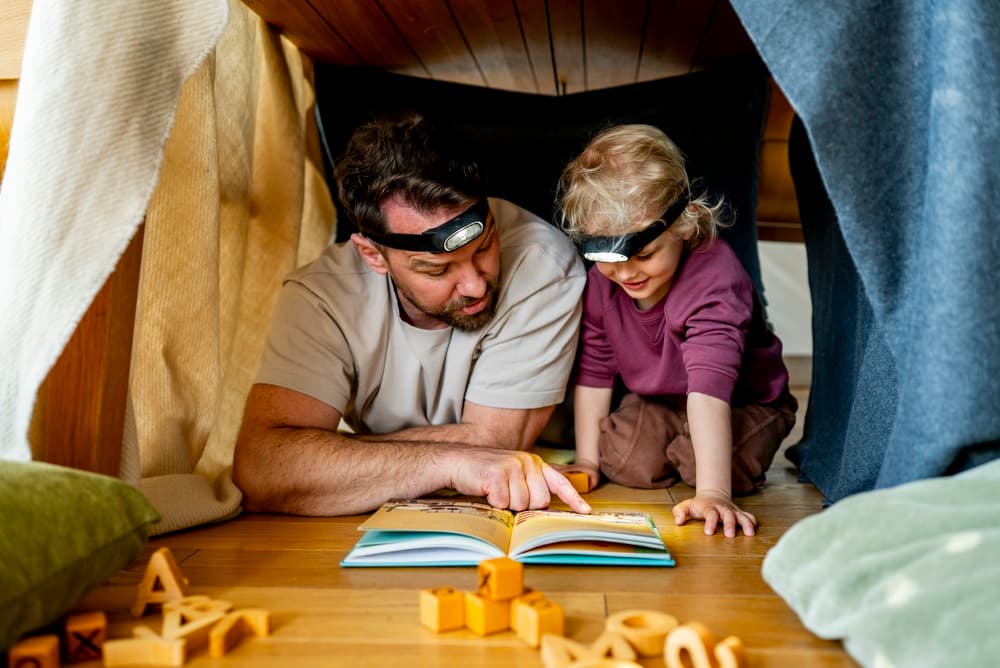
Child psychologist Darya Dugentsova, in an interview with Life.ru, explained how fathers with demanding work schedules can maintain close relationships with their children. According to her, what matters is not so much the length of meetings as their regularity — at least 45 minutes a day, split into several sessions. The psychologist also explained how to change the format of communication as the child grows older.
On October 19, the President of Uzbekistan signed a resolution on developing psychological services in the continuous education system. A Research Institute of Psychology is being established on the basis of a center of the Tashkent Pedagogical University, annual psychological diagnostics of teachers and students will be introduced using AI, and from 2027 a unified electronic platform for psychological assistance will be launched.
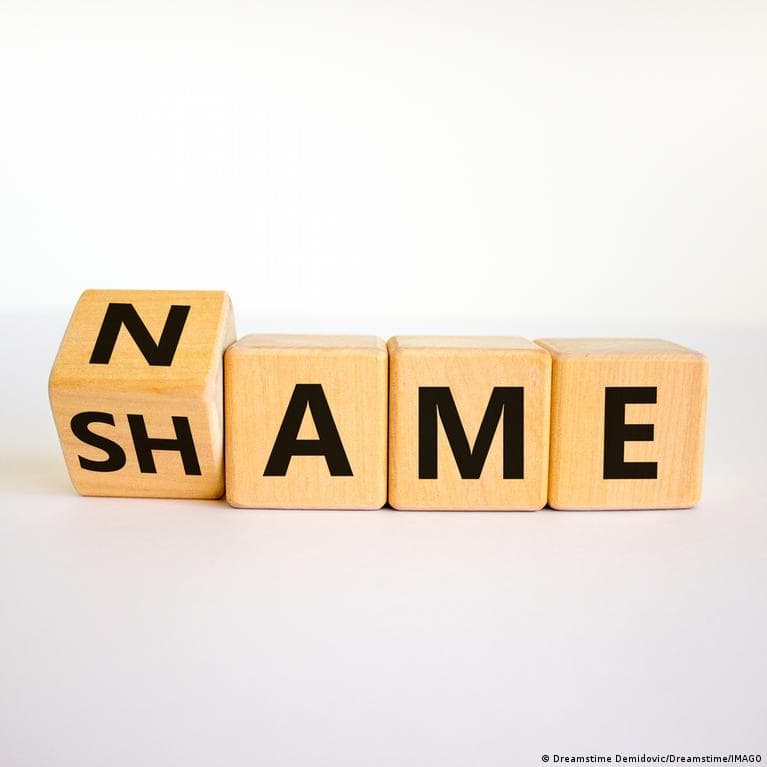
DW tells the stories of women whose names — Pain and Tiny — drew mockery, and how their attitudes toward their names changed over the years. Psychologists and researchers explain how names affect first impressions, self-esteem and life chances, and why over time they can be 'reframed'.
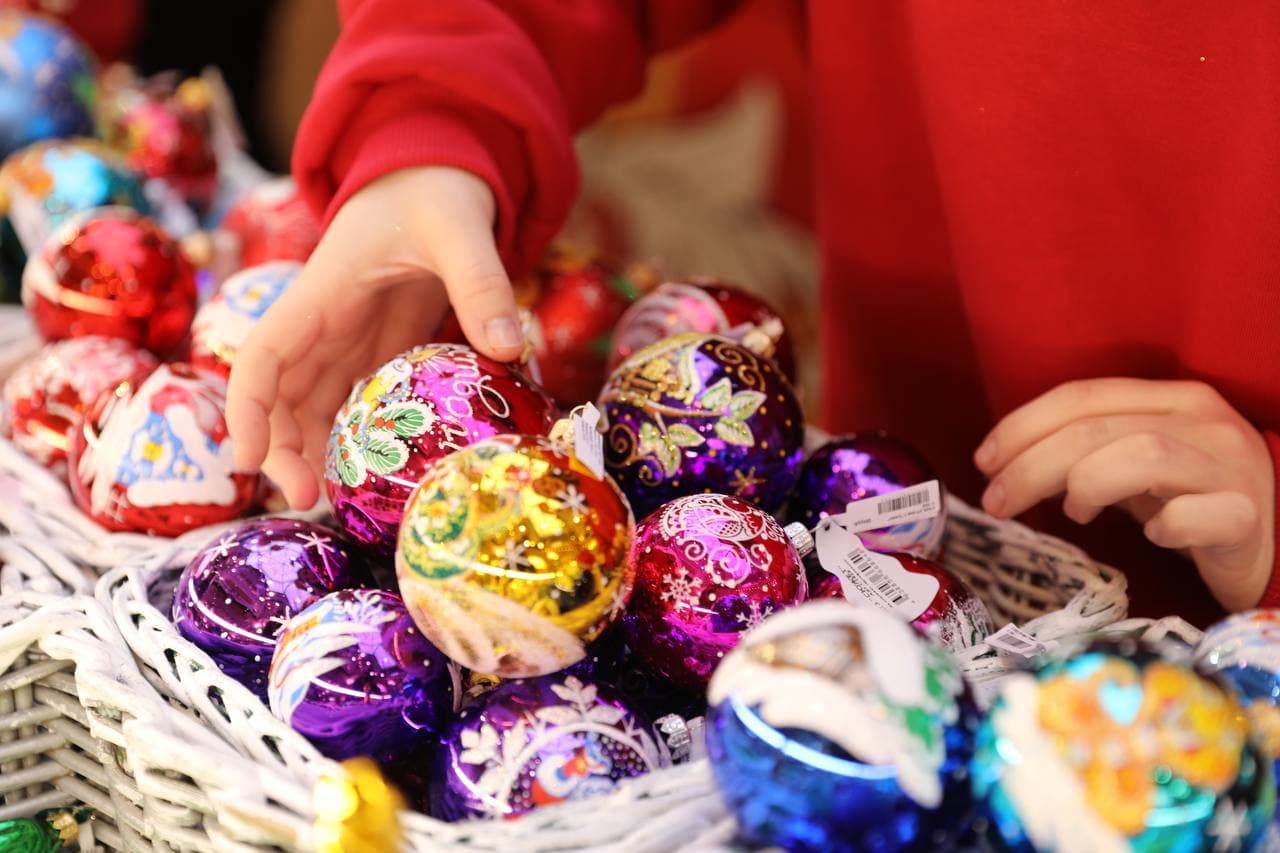
Family psychologist Anastasia Kardiakos told Radio 1 that the appearance of New Year trees and garlands in stores in October can 'erase' the feeling of the holiday and increase anxiety, especially among anxious people and introverts. She advised focusing on one's own emotional state.
Child psychologist Darya Dugentsova, in an interview with Life.ru, explained how busy fathers can stay close to their children: what matters is not the length of meetings but their regularity — about 45 minutes a day in total. She gave recommendations on the format of communication for different ages and warned that constant excuses like
Associate Professor at Herzen State Pedagogical University Alexander Konfisakhor told NSN that the survey data from RuStore and Nauka Mail about Russians' readiness to go without a smartphone do not correspond to reality: in his assessment, only 3% of people could last an hour without a phone, while 24 hours without the device would 'drive' 95% of the population 'crazy'.
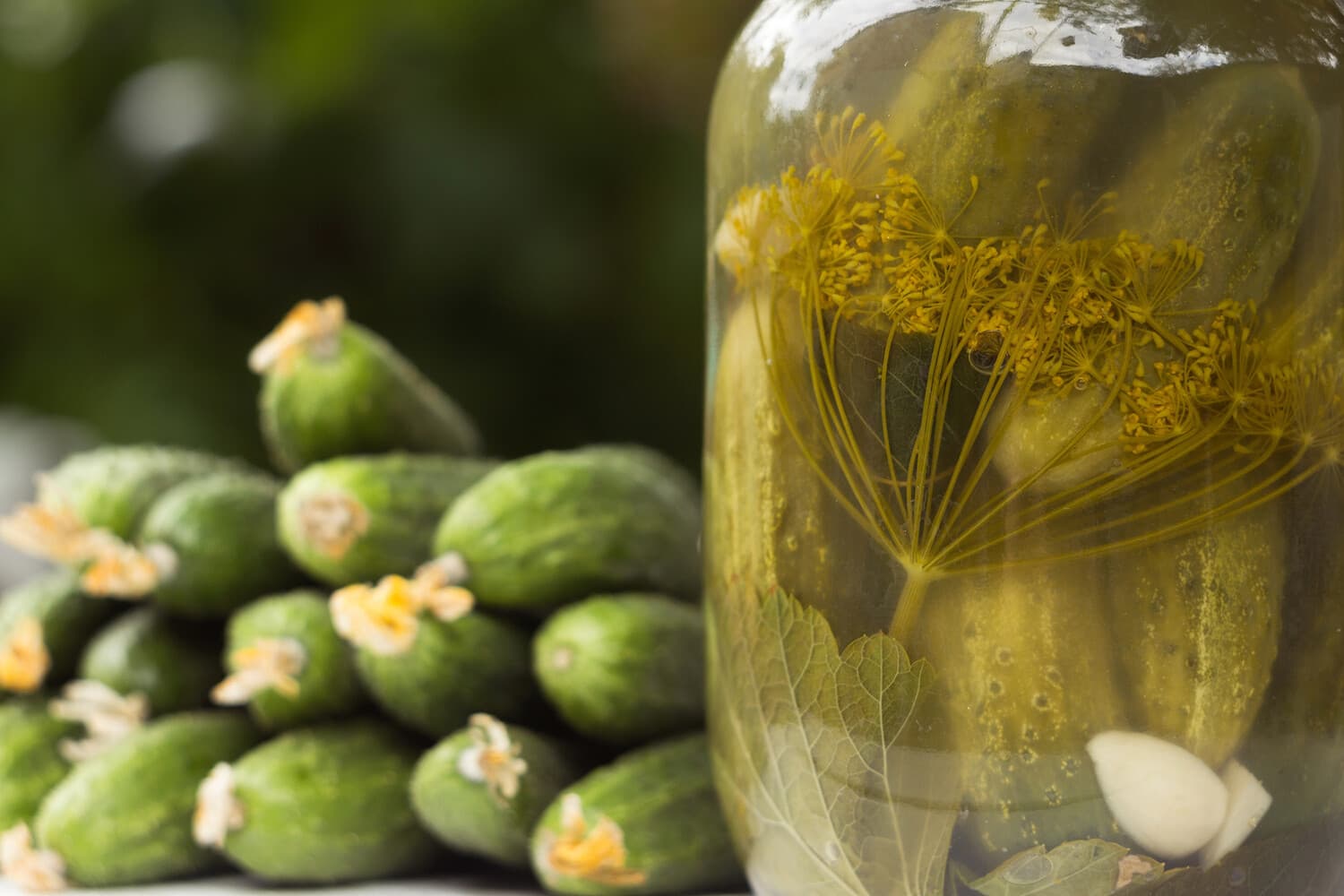
A trend of eating homemade pickles and filming videos about it is gaining popularity among Russian zoomers. Integrative psychologist Victoria Chugunova, in a conversation with 360.ru, explained this as a desire for a tangible result and reduced anxiety.
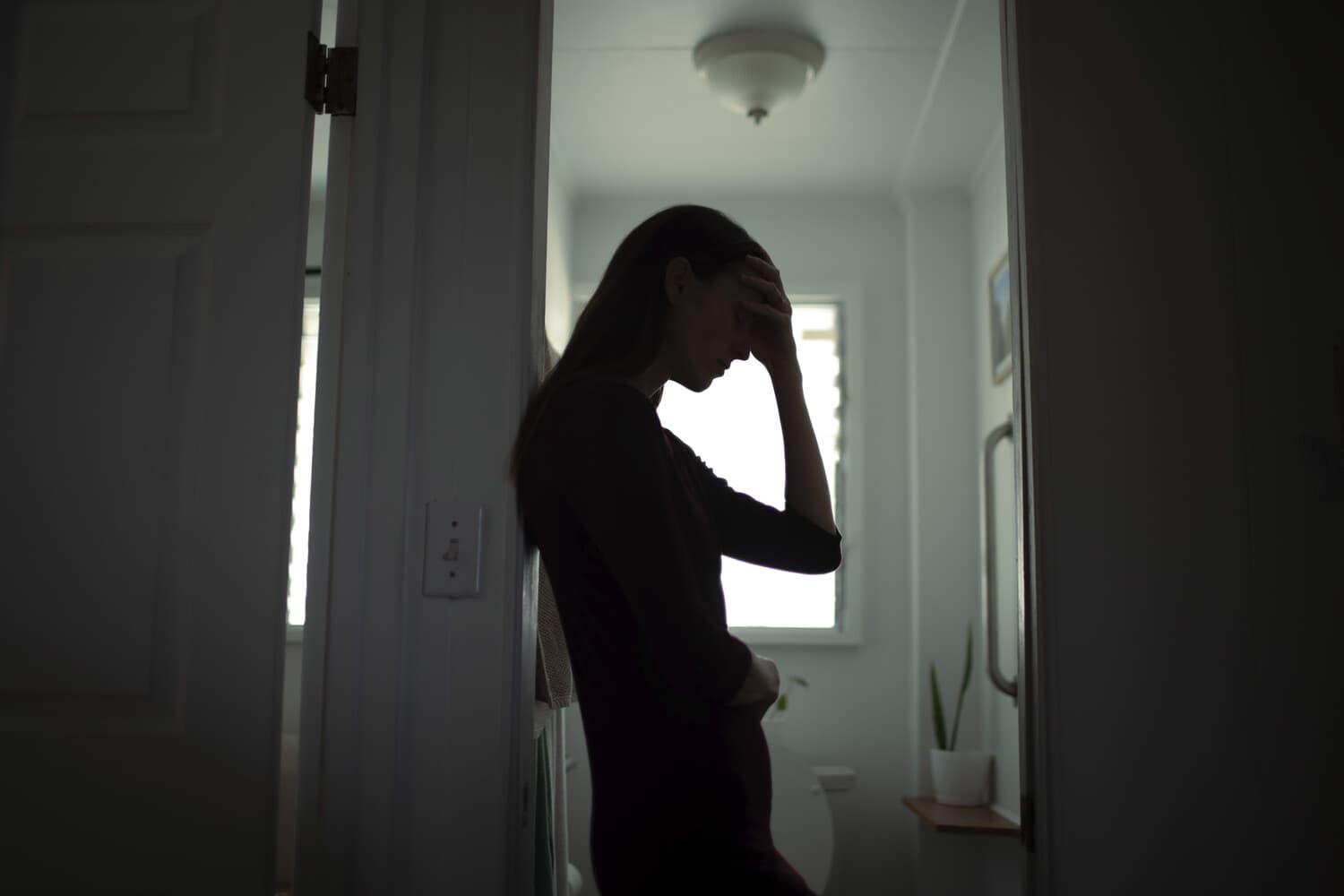
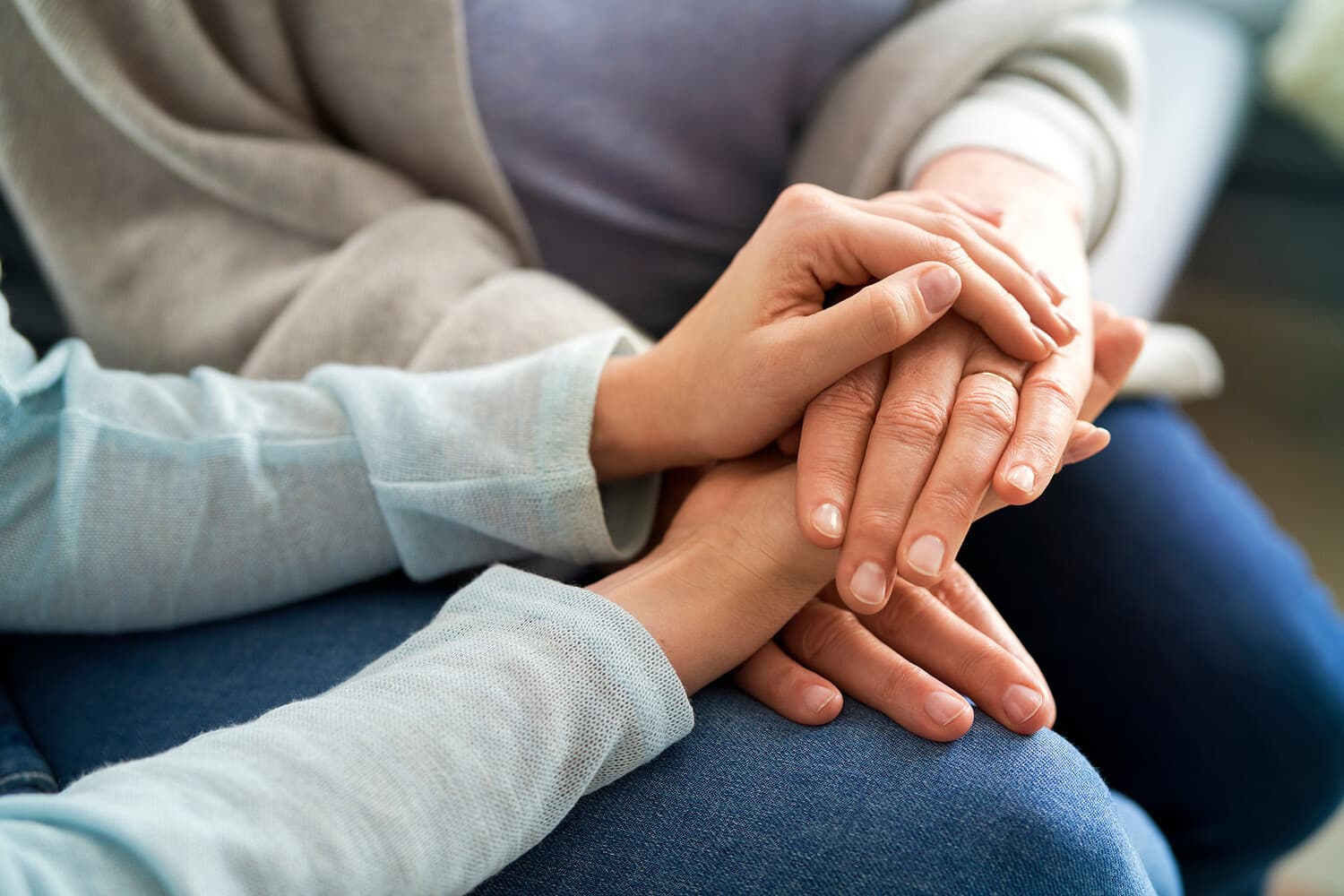
Crisis psychologist Yevgenia Nechaeva told Izvestia that loved ones should not try to convince a person in crisis that 'everything is fine,' but rather let them talk it out and sort through their feelings while respecting personal boundaries. Earlier, psychologist Yulia Kandarina noted that divorces peak at ages 35–40, often caused by a midlife crisis.
Child and clinical psychologist Nadezhda Makhmutova told RIAMO that a child's focus solely on studying may be a sign of the 'successful straight-A student' syndrome, which leads to emotional exhaustion. She named the signs: fatigue, sleep disturbances, loss of interest in favorite activities, and inability to formulate one's own desires.
Psychologist and women's mentor Karina Kats told Gazeta.Ru about five habits that can prevent earning more: shopping to relieve fatigue, making decisions while exhausted, lack of a financial cushion, the belief that income comes only through hard work, and undervaluing easy skills. She also mentioned a five-stage method for changing these habits.