The key facts
- Psychologist Anastasia Kardiakos: the early New Year atmosphere leads to habituation and loss of enthusiasm by December
- Anxious people and introverts are especially vulnerable — decorations can trigger worries about being alone during the holiday
- The psychologist advises focusing on one's own state rather than strictly on the calendar
The early festive atmosphere 'dulls' the eyes
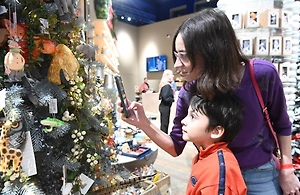
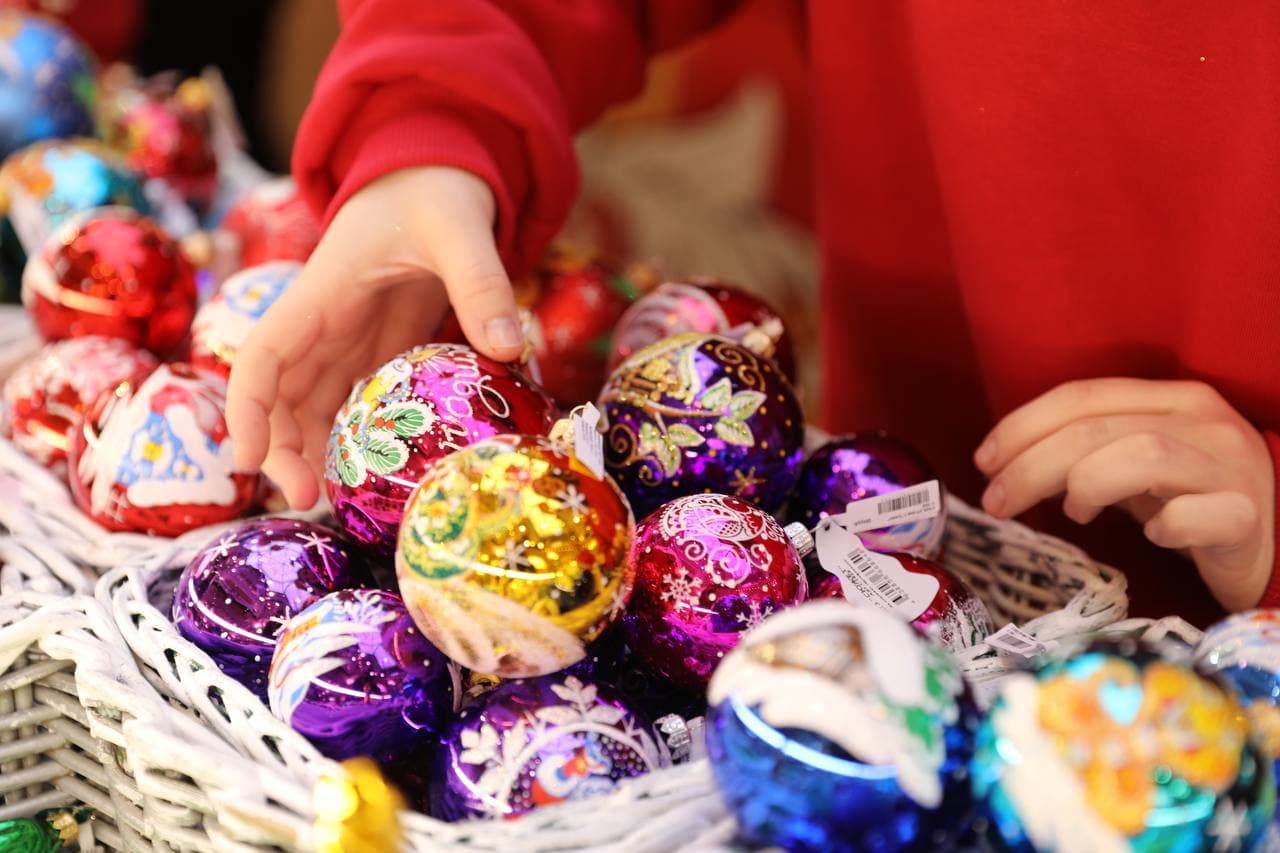
New Year trees and garlands appearing in stores as early as October may not so much delight as increase anxiety. Family psychologist Anastasia Kardiakos spoke about this in an interview with Radio 1. According to her, anticipation of an important event is usually accompanied by a special emotional mood: about a month before the holiday, a person begins mentally preparing, making plans, and looking forward to pleasant moments. When the festive atmosphere arises too early, this mechanism works differently — a person gets used to the decorations, and by the end of December the enthusiasm disappears. 'The feeling of the holiday is erased right by the time of the event itself. In other words, we have already dulled our eyes,' the psychologist explained.
The sense of passing time and the worries of lonely people
Another problem, in Kardiakos's view, is that early decorations remind people of the approaching end of the year, even though autumn tasks are not yet finished. For some people, this creates a feeling that time is slipping away and planned things remain undone. It is especially difficult, the specialist believes, for anxious people and introverts: New Year attributes can prematurely trigger worries about whom to spend the holiday with, whether one will have to celebrate it alone, and whether expectations will be met.
The psychologist's advice and context on early shopping
At the same time, Kardiakos does not believe that preparing for the New Year must strictly follow the calendar. She advises focusing on one's own emotional state: if holiday chores cause tension, there is no need to rush into them. Earlier, Life.ru reported that Russians began buying New Year goods as early as October: an economist linked the rush to active marketplace advertising and the desire to spread out expenses in advance, warning that early purchases made under the influence of discounts may end up costing more than planned. The expert did not expect a mass price increase in December, allowing for price growth only on certain popular items.