The key facts
- The Bank of Canada raised its rate to 2.5% — the first hike since July 2023
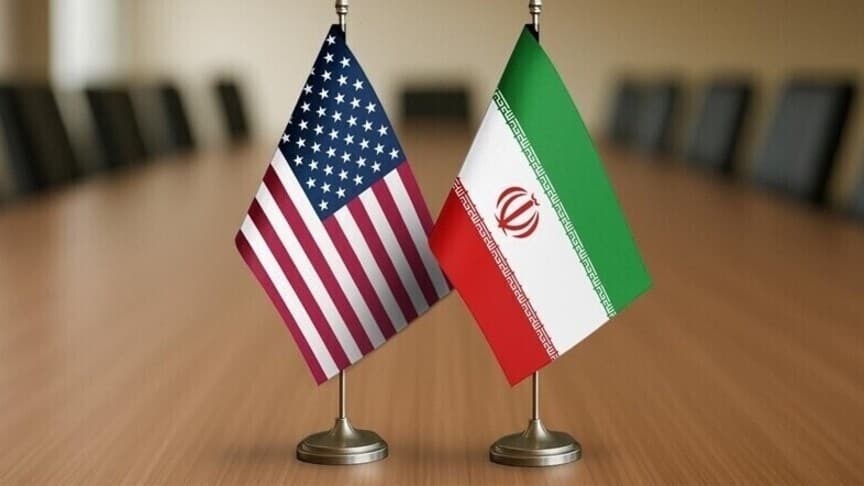
- The reason is rising oil prices due to the US conflict with Iran, now in its eighth month
- At the same time, the economy is being held back by Trump's trade war; the timing of a trade agreement remains unclear
First rate hike in more than two years
The Bank of Canada on Wednesday raised its key rate by 0.25 percentage points to 2.5%, seeking to prevent the surge in oil prices caused by the war with Iran from spilling over into broad inflation. According to AFP, this is the first rate hike since July 2023, when the regulator was fighting inflation fueled by the Covid-19 pandemic.
Two opposing pressures on the economy
In recent months, the bank has highlighted two conflicting pressures on the Canadian economy, both directly tied to US President Donald Trump. On the one hand, the trade war with the United States is hurting business confidence and causing job losses in key sectors. On the other, the conflict with Iran initiated by Trump has sharply pushed up energy prices. At the same time, according to the bank's assessment, Canadian businesses are 'adapting' to changing trade relations with the US, so growth may turn out stronger than expected, yet there are no signs of easing in energy price inflation.
Uncertainty on both fronts
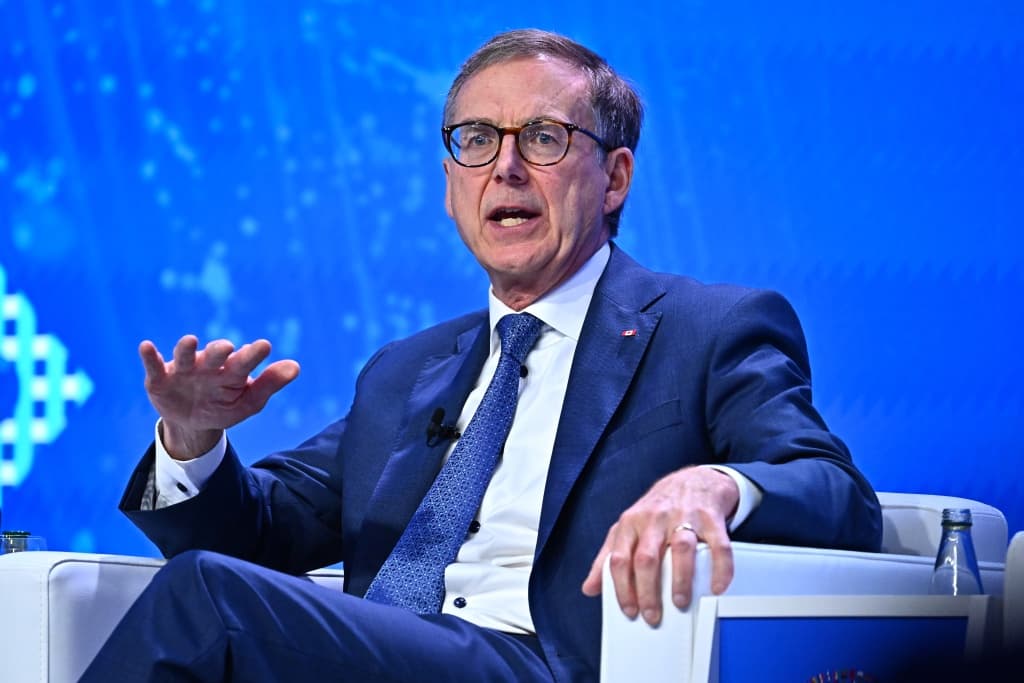
The bank's press release noted that the conflict in the Middle East has been going on for eight months and 'there is no clear path to a resolution.' The regulator's head, Tiff Macklem, acknowledged that Canadians 'are paying more at the pump,' but stressed that the goal is to keep energy price increases from spreading to other goods. The bank considers the direction of American trade policy hard to predict: Trump has threatened Canada with large-scale economic damage, but this same week said at a campaign event in Michigan that a trade deal would come 'soon.' Prime Minister Mark Carney responded that Canada is open to a deal, but does not trust that the Trump administration will honor the terms of any agreement.
Is one hike enough
When asked whether a single rate hike might be enough, the bank's senior deputy governor, Carolyn Rogers, pointed to the broad uncertainty: there could be a settlement in the Middle East, which does not appear imminent, or a resolution of trade tensions with the US. 'So we need to be careful,' she said. TD Bank analysts assessed the decision as likely 'buying the bank a few months' to determine whether the rise in energy prices and production costs is actually reaching consumer prices.