The key facts
- Asian indexes mixed: Seoul fell more than 1%, Tokyo 0.8%, Hong Kong rose 0.5%
- Asian indices were mixed: Seoul fell more than 1%, Tokyo 0.8%, Hong Kong rose 0.5%
- This week brings earnings from Amazon, Microsoft, Alphabet, SK hynix and Samsung, plus decisions from the Fed, ECB and Bank of Japan
- This week brings earnings reports from Amazon, Microsoft, Alphabet, SK hynix and Samsung, as well as decisions from the Federal Reserve, the ECB and the Bank of Japan
- Oil fell more than 1% after Friday's rise of over 3% amid geopolitical risks
Mixed trading in Asia amid expectations for the AI sector
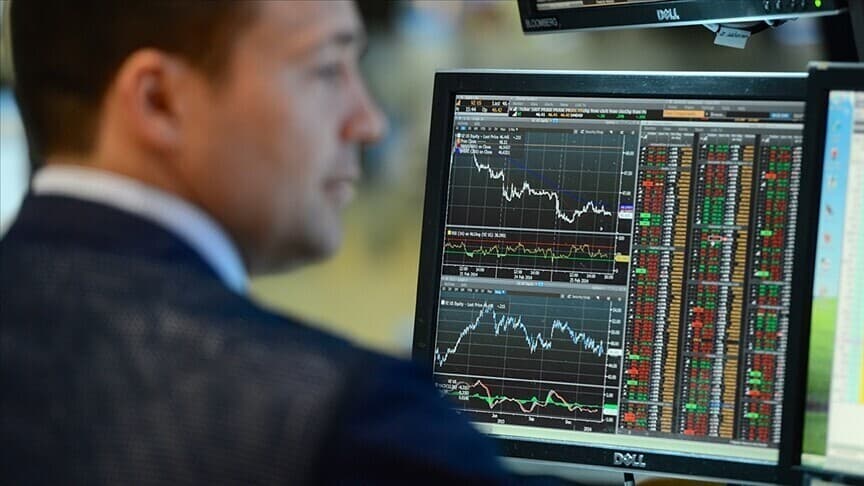
Asian stock markets showed mixed dynamics on Monday, as investors brace for a major run of central bank decisions and tech company earnings, while oil pulled back from a six-month high, AFP reports. Companies tied to artificial intelligence continued to face pressure: the market doubts the sustainability of the massive investment boom that drove stock indexes to record levels in the first half of the year. Traders are increasingly concerned about when the huge outlays in the sector will start paying off, while rising interest rates and bond yields call companies' financial health into question.
The earnings reports the whole market is watching
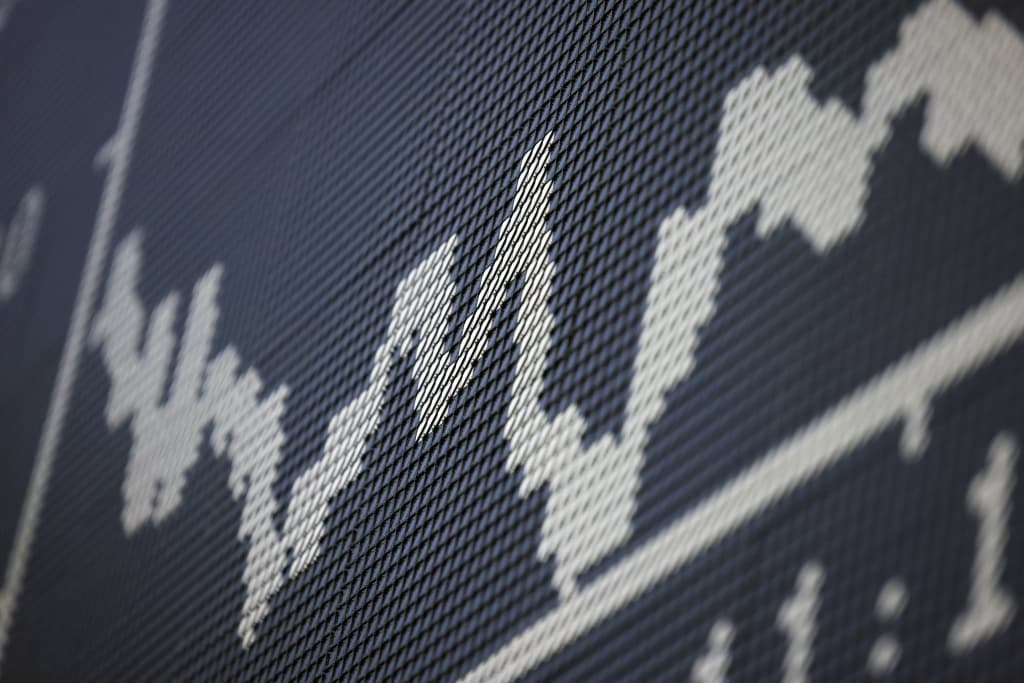
This week, results are due from the American giants of the Magnificent Seven — Amazon, Microsoft and Alphabet — as well as South Korean chipmakers SK hynix and Samsung. Last week's earnings from Tesla and Meta, according to AFP, heightened concerns about spending and helped push shares lower. SPI Asset Management analyst Stephen Innes noted that 'the AI complex remains under the microscope,' ahead of what may be the most important stretch of earnings season: in his words, investors want proof that the billions being poured into computing infrastructure are creating a sustainable source of profit rather than simply being 'a shinier version of the same capex furnace.' On Friday, all three major Wall Street indexes closed lower: the Dow lost 1.2% to 52,215.16. Asia opened lower on Monday, though some markets later recovered. Seoul, which many view as a barometer of AI trades, fell more than 1%, with losses also recorded in Tokyo (Nikkei 225 down 0.8% to 62,189.65), Singapore, Manila and Jakarta. Among the biggest losers were technology companies: SK hynix, Samsung, as well as Kioxia, Advantest and SoftBank in Japan. Meanwhile, Hong Kong (Hang Seng up 0.5%), Shanghai (up 0.2%), Sydney, Mumbai and Bangkok rose slightly.
Oil and geopolitical tensions
Oil prices fell more than 1% after Friday's rise of over 3%, which was driven by supply concerns amid the crises in the Middle East and Ukraine and the onset of winter in the northern hemisphere. West Texas Intermediate dropped 1.9% to $101.27 a barrel, and Brent fell 1.6% to $114.90. The market is also discussing suggestions that Donald Trump may step up pressure on Iran after the midterm elections next Tuesday; some officials warn that the months before the new Congress convenes could be especially dangerous. Speaking on Fox News on Sunday, the US president said: 'I have a decision to make: whether to end this, which would be very easy, or to make a deal? That's it.' According to AFP, a third carrier group has been sent to the region, and the level of American personnel there has been reduced.
Central bank decisions this week
At the center of investors' attention this week are the monetary policy decisions of the Federal Reserve System, the European Central Bank and the Bank of Japan. The Fed is expected to keep the cost of borrowing unchanged, but traders will look for guidance on its thinking after last year's rate hike — inflation, according to AFP, remains well above the 2% target. Bank J. Safra Sarasin chief economist Karsten Junius wrote that Fed Chair Kevin Warsh 'can afford to remain patient,' since market measures of inflation expectations are well anchored and financial conditions are tightening. At the same time, in his assessment, demand remains too strong for inflation to return to 2% without further tightening: the bank expects a gradual cycle of hikes in 25-basis-point steps in December and three quarterly increases next year. This is the bank's own forecast, not a confirmed plan by the regulator.
Why it matters
This week combines two sources of uncertainty at once: earnings reports from key AI companies, on which the assessment of the return on multibillion-dollar investments in the sector depends, and decisions from three major central banks amid inflation above target. For investors, this means heightened volatility: results from Amazon, Microsoft, Alphabet and chipmakers could set the direction for the entire technology segment, as Tesla's and Meta's reports demonstrated last week. In practical terms, borrowing costs, according to Bank J. Safra Sarasin's forecast, will continue to rise, which directly affects the valuation of companies with high capital expenditures. Data limitation: the publication does not reveal what decisions the central banks will make or how the final earnings results will be distributed.