The key facts
- The technology sector clawed back part of its morning losses, but investors are demanding ever stronger results amid high valuations
- Brent returned to levels around $114, WTI topped $100 amid Iran's threats against American bases
- The yen strengthened on strong inflation in Japan, Treasury yields fell from two-decade highs
Mixed session in Asia
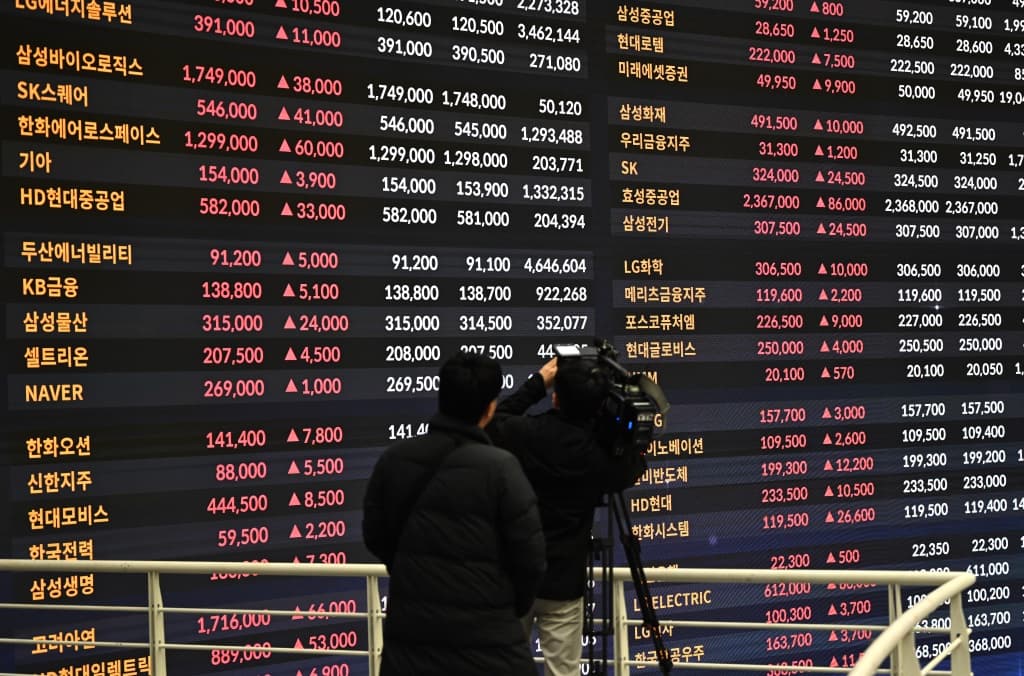
Asian stock markets ended Friday with mixed dynamics. Technology companies managed to claw back part of their morning losses thanks to bargain-buying at the end of a difficult week for the sector, while safe-haven assets were in demand amid cautious sentiment. The Seoul market, which had been at the center of the AI boom and led in losses, closed higher after falling more than 2% at the open; SK hynix gained more than 4%. The day before, its American shares fell more than 8% after the company abandoned plans for an IPO of its American subsidiary Solidigm, citing 'market conditions and share price dynamics.' The markets of Hong Kong (+0.7%), Shanghai (+0.9%), Sydney, Singapore and Jakarta rose. Tokyo's Nikkei 225, where tech companies account for a large share, closed down 0.3% at 62,693.16, though well above the day's lows. Wellington, Mumbai and Manila also fell; Taipei was closed due to the approach of Typhoon Champi. In Europe, London (-0.4% to 10,687.47), Frankfurt and Paris were lower in the morning.
Pressure on the technology sector
Since June, when shares of companies linked to artificial intelligence hit record highs, their prices have been under pressure due to concerns about overvaluation, doubts about the return on huge spending on infrastructure and equipment, and more recently — due to rising debt servicing costs. Added to this was the war with Iran driving oil above $100, fueling inflation, forcing central banks to raise rates and pushing government borrowing costs to multi-decade highs. Strong earnings from past quarters had contained concerns, but, as analysts note, investors are demanding ever better results. Earnings from Meta and chip equipment maker Lam Research this week beat forecasts, yet their shares still fell. 'Even positive news is being ignored,' said Fawad Razaqzada of FOREX.com: 'Strong results are no longer enough if forecasts do not match an already demanding valuation. Investors are becoming far less forgiving.' The outflow from the tech sector supported industrial companies that had been overlooked during the AI boom: the Dow rose for the week, while the Nasdaq and S&P 500 declined; at the end of Friday the Dow closed at 52,867.98, unchanged.
Flight to safe havens and expensive oil
The yen strengthened against the dollar on strong Japanese inflation data, which raised bets on another interest rate hike. The currency has weakened in recent years due to the wide interest rate gap between the US and Japan and concerns about the country's fiscal situation. US Treasury bonds were also in demand: yields fell from two-decade highs, with the two-year and ten-year at one-month lows. 'Markets are seeking refuge: the familiar fears around AI and the tech sector, together with ever higher oil and energy prices, are pushing investors back into bonds,' noted Gavin Friend of National Australia Bank. Carol Kong of Commonwealth Bank of Australia suggested the yen could benefit further if the tech stock selloff continues. Oil added to the anxiety on new Middle East concerns: Brent continued Thursday's rise and moved toward $115 a barrel — the highest since May — closing at 113.94 (+0.7%), while WTI topped $100, at 100.57 (+1.1%). The latest spike came after Iran threatened to strike American bases in the region if their militaries continue escorting vessels through the Strait of Hormuz.