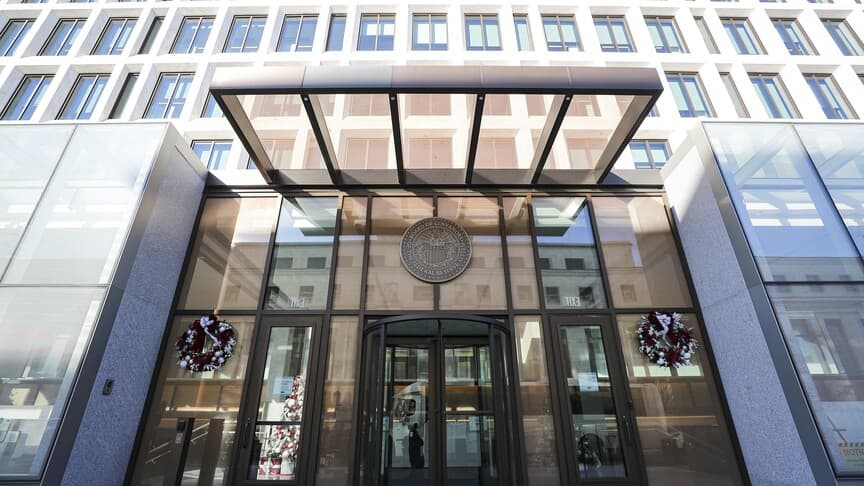
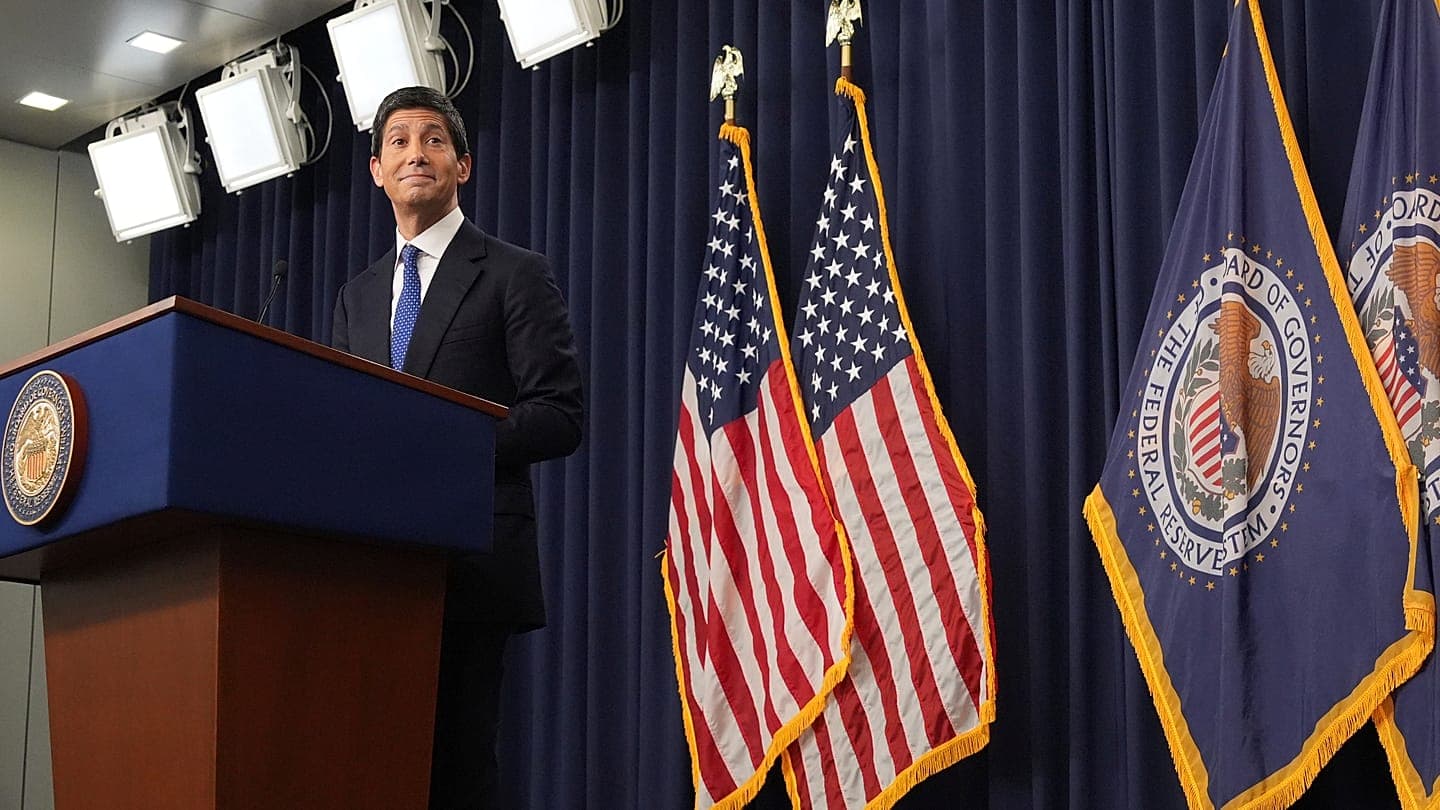
The US Federal Reserve System, following its October 28 meeting, kept the benchmark rate in the range of 3.75–4%. The decision was adopted by a 10-to-2 vote: Lisa Cook and Beth Hammack argued for a 25-basis-point increase. The regulator noted high inflation against the backdrop of strong economic growth.
Wednesday, 19:00 Central European Time: the Federal Reserve will announce its rate decision. Markets are nearly certain of a pause, but assign a high probability to a hike in December amid inflation of 3.7%, record fuel prices and Trump's pressure on the regulator. Wednesday, 19:00 Central European Time: the Federal Reserve will announce its rate decision. Markets are almost certain of a pause, but price in a high probability of a hike in December amid inflation of 3.7%, record fuel prices and pressure from Trump on the regulator.
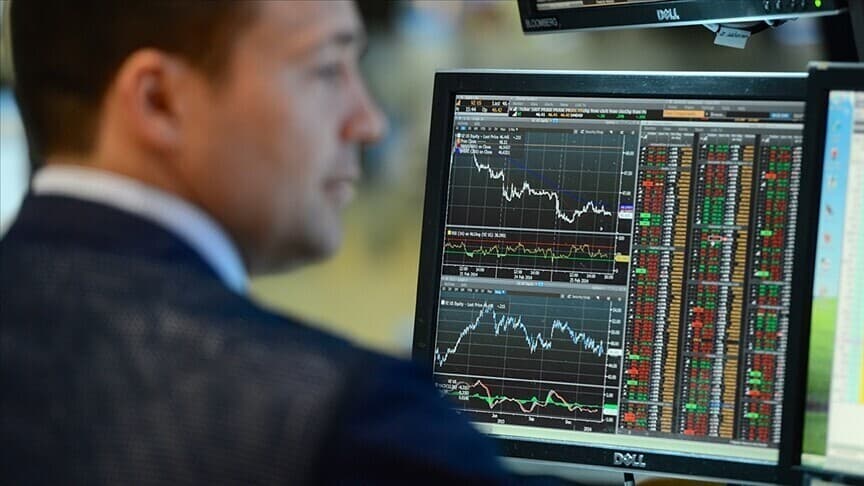
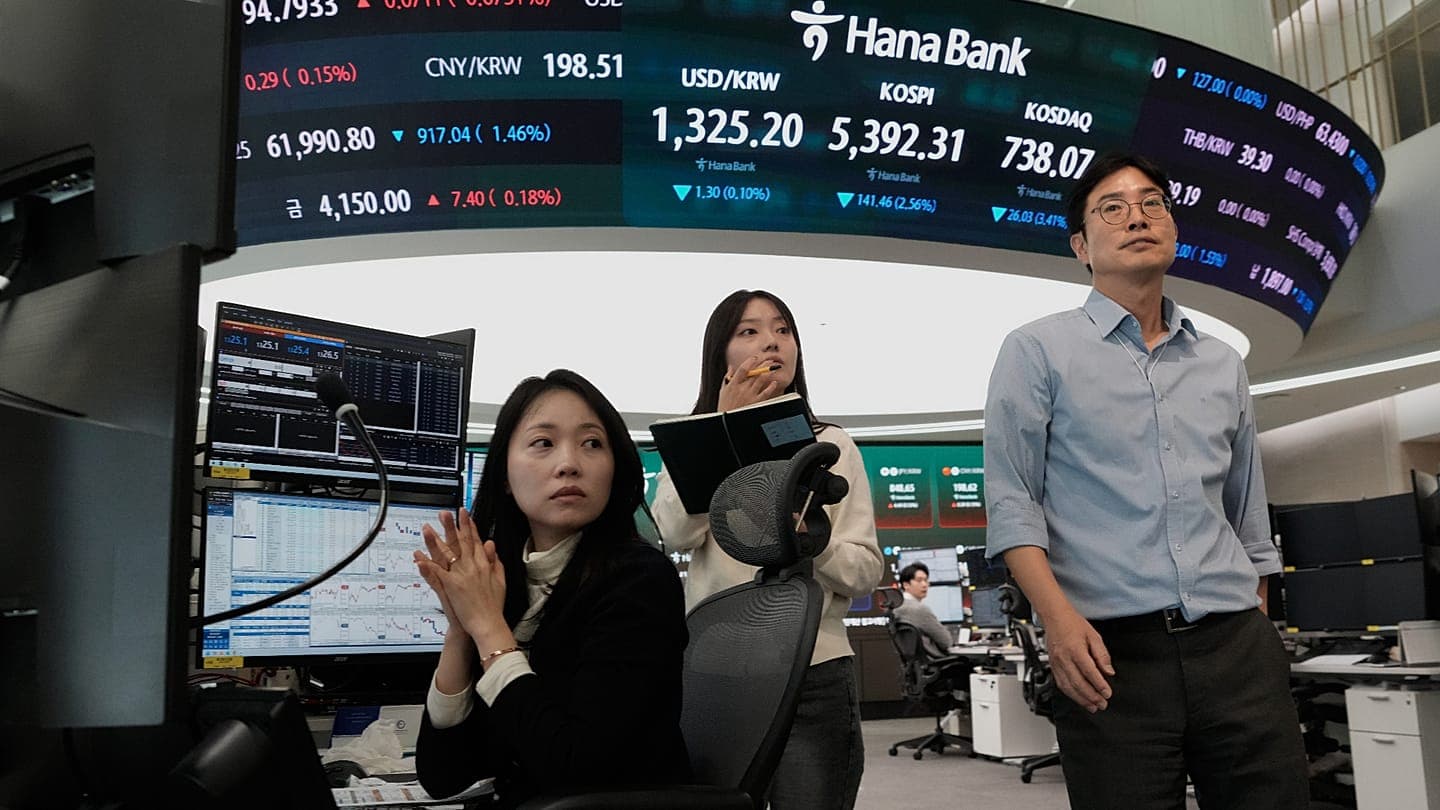
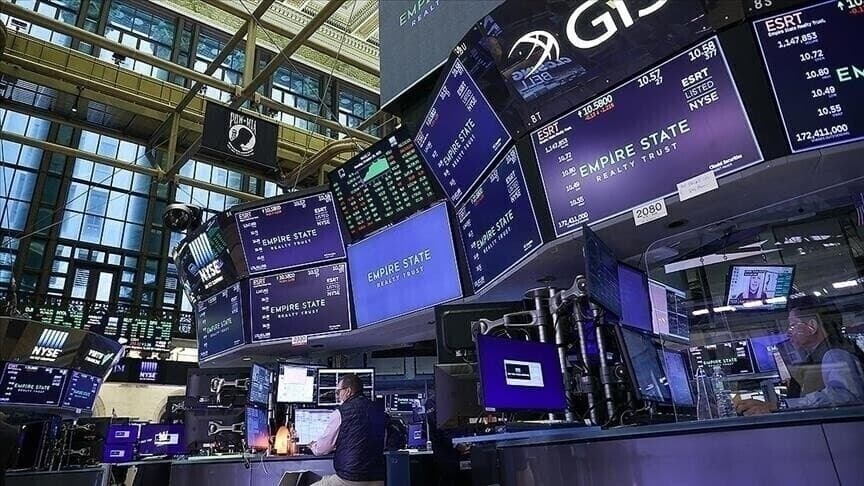
On Monday, Asian stock indexes showed mixed dynamics: Seoul lost more than 1%, Tokyo 0.8%, while Hong Kong, Shanghai and Sydney rose. Investors are preparing for earnings from Amazon, Microsoft, Alphabet, SK hynix and Samsung, as well as decisions from the Fed, the ECB and the Bank of Japan. Oil pulled back from a six-month high, and markets remain uncertain about the returns on AI investments and geopolitical tensions in the Middle East. On Monday, Asian stock indices showed mixed dynamics: Seoul lost more than 1%, Tokyo 0.8%, while Hong Kong, Shanghai and Sydney rose. Investors are preparing for earnings reports from Amazon, Microsoft, Alphabet, SK hynix and Samsung, as well as decisions from the Federal Reserve, the ECB and the Bank of Japan. Oil pulled back from a six-month high, and markets remain uncertain about the return on AI investments and geopolitical tensions in the Middle East.
According to Anadolu, the week ending October 23 closed with declines in US and European indices, and Monday opened mixed. Markets are under pressure from doubts about the returns on AI investments, geopolitical risks surrounding the US and Iran, and weak consumption data. Investors' attention is focused on decisions by the Fed, the ECB and the Bank of Japan. According to Anadolu, the week starting October 23 ended with declines in US and European indices, and Monday opened mixed. Markets are under pressure from doubts about the return on AI investments, geopolitical risks surrounding the US and Iran, and weak consumption data. Investor attention is focused on the decisions of the Federal Reserve, the ECB and the Bank of Japan.
The Federal Reserve is likely to leave its benchmark rate unchanged at the October 28 meeting, despite inflation above target and market expectations of a hike by the end of the year. The meeting takes place days before the November 3 midterm elections, and analysts differ on whether a political factor is at play.
Asian stock markets mostly declined on Friday following a selloff in AI-related stocks that made the previous day the worst for the S&P 500 since July. Brent traded above $113 — a high since May — amid attacks in Saudi Arabia and rising freight costs. The yield on 10-year US Treasuries fell sharply to 4.97% as funds flowed into safe-haven assets.
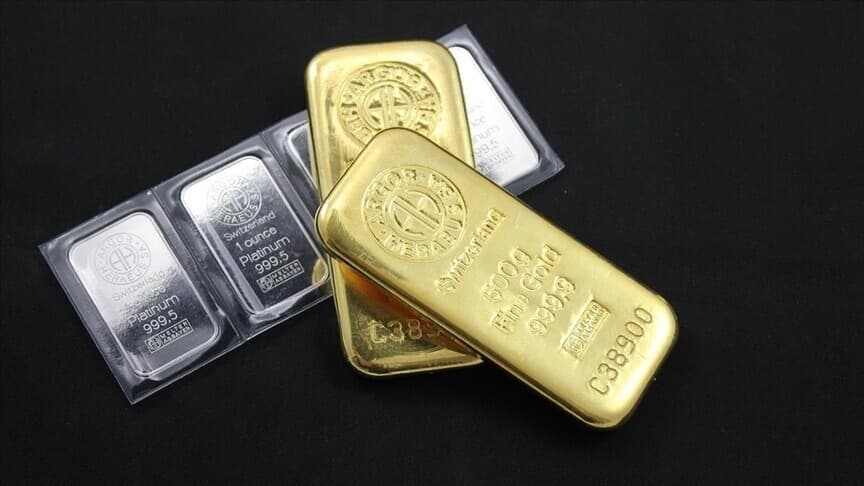
On Thursday, gold fell below $4,100 per ounce, while silver dropped about 3.6%. Rising oil prices following an attack on Saudi Aramco's Shaybah oil field heightened inflation concerns and lowered expectations for monetary policy easing. Markets expect the Fed, ECB, and Bank of Japan to keep rates unchanged.
Monday brought a recovery in global markets: US Treasury yields fell, gold rose, and US indices opened higher. Support came from optimism around a new Middle East peace plan and China's Q3 GDP data (+4.5%). European indices, however, opened lower amid protests in France, while the Nikkei 225 fell after statements by Prime Minister Takaichi.
On Thursday, global markets traded positively: technology stocks recovered after the previous day's decline, and US Treasury yields fell. US PPI in September rose 1.3% month-on-month and 6.3% year-on-year — the highest since 2022 — reinforcing concerns about a possible Fed rate hike. Retail sales beat expectations (+0.8%). Asian indices rose notably, while European and American ones were mostly in positive territory.
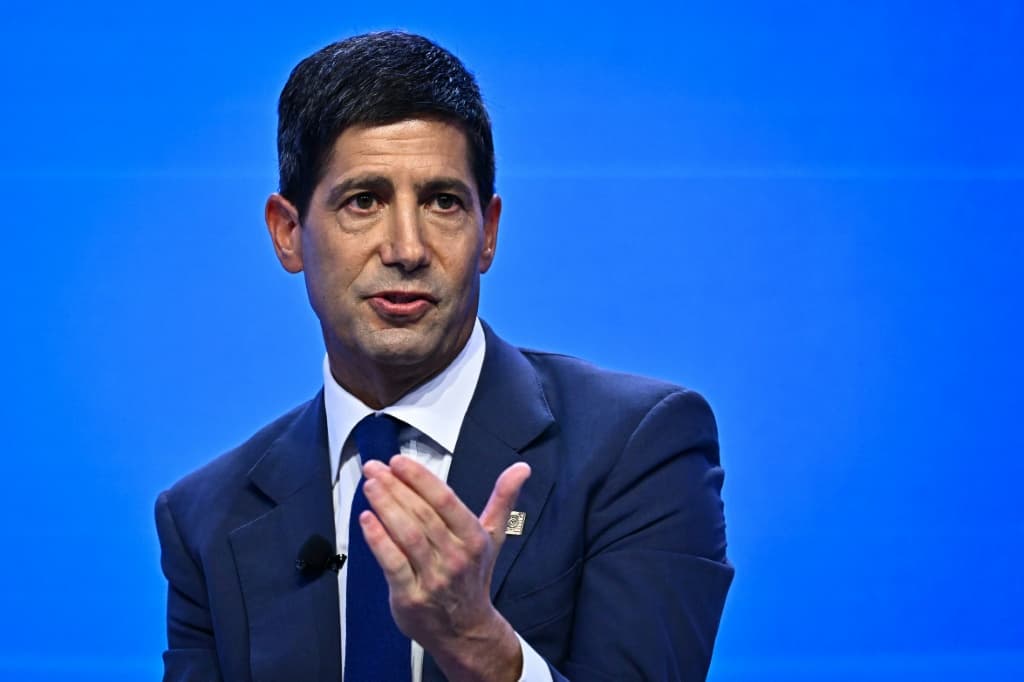
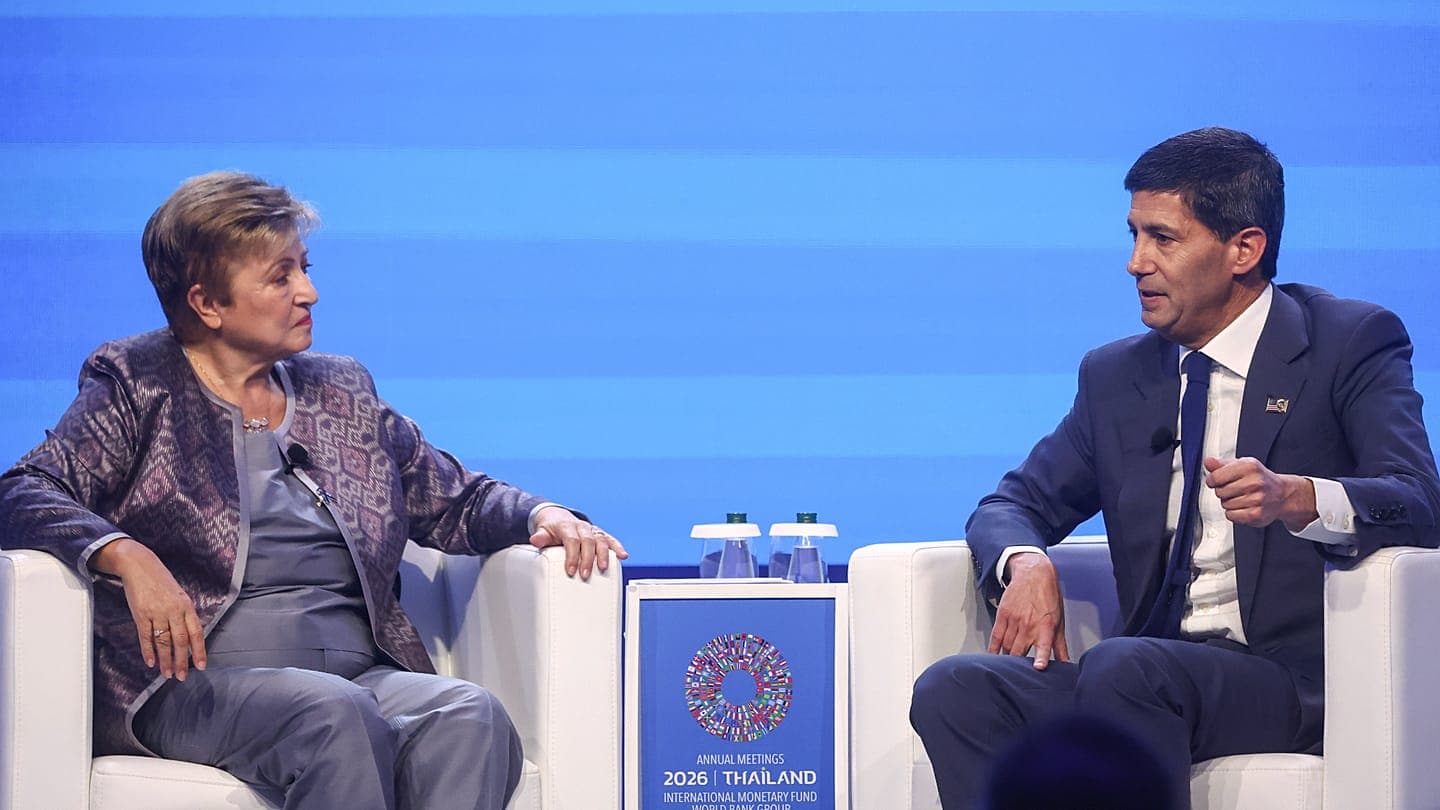
Speaking at the annual IMF and World Bank meetings in Bangkok, Fed Chair Kevin Warsh reaffirmed his commitment to price stability but declined to prejudge rate decisions for October and December. He noted the unexpected resilience of the global economy, an investment boom in the US, and called AI the biggest economic transformation, which is so far boosting demand and inflation.
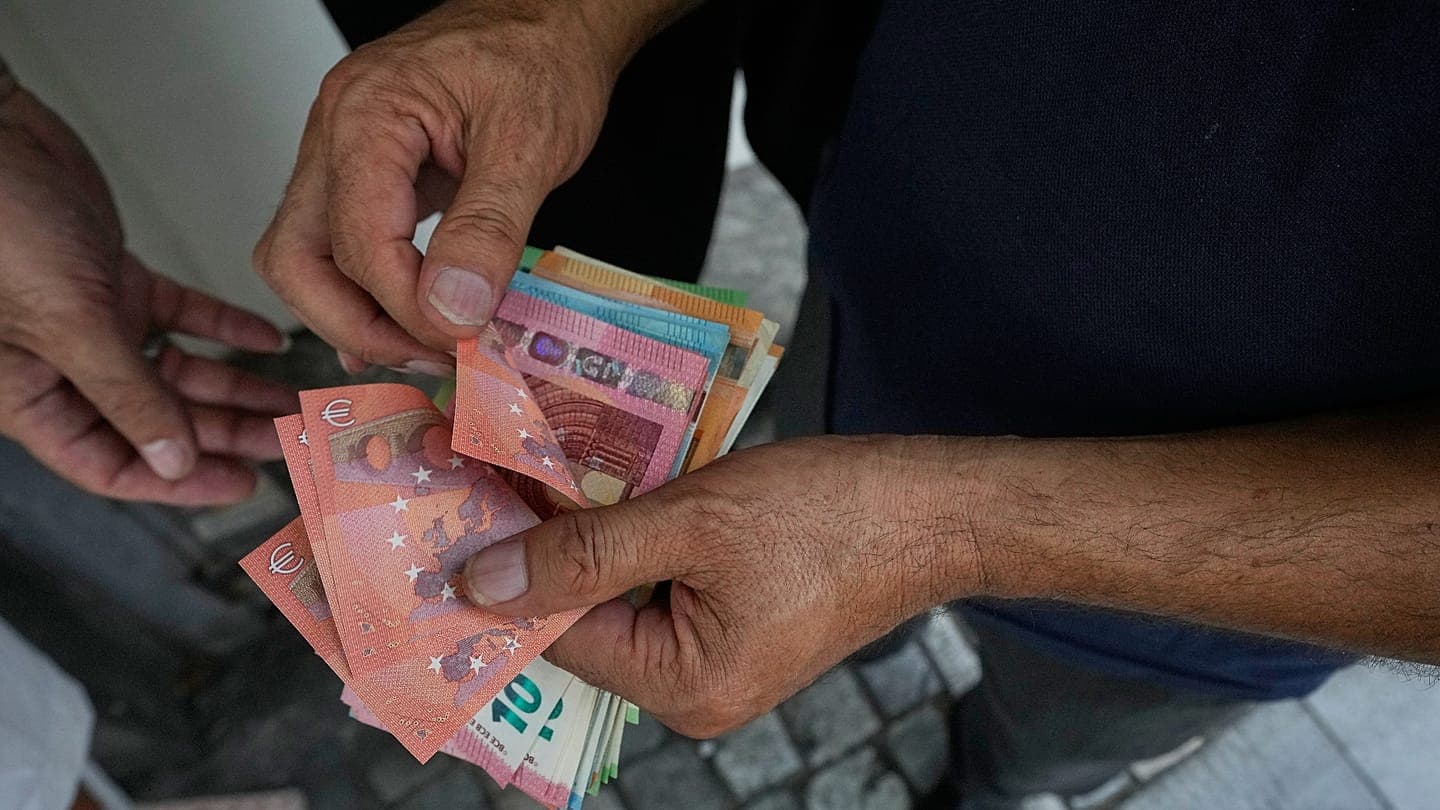
The euro fell to $1,111 — its lowest level since mid-May 2025 — and to £0.842, a low since early June 2025. Pressure comes from rising energy prices due to the war involving Iran, the French public finance crisis, and a stronger dollar after US inflation hit 3.7%. The ECB has raised rates twice this year, but that has not stopped the decline. Investors await Fed decisions on October 28 and ECB decisions on October 29.