The key facts
- Markets put the probability of the rate being held at 3.75–4% above 90%, and a hike at the December 8–9 meeting at 73%
- Markets put the probability of keeping the rate at 3.75–4% above 90%, and a hike at the December 8–9 meeting at 73%
- US inflation accelerated to 3.7% in September from 3.4% in August; gasoline accounted for more than half of the price increase
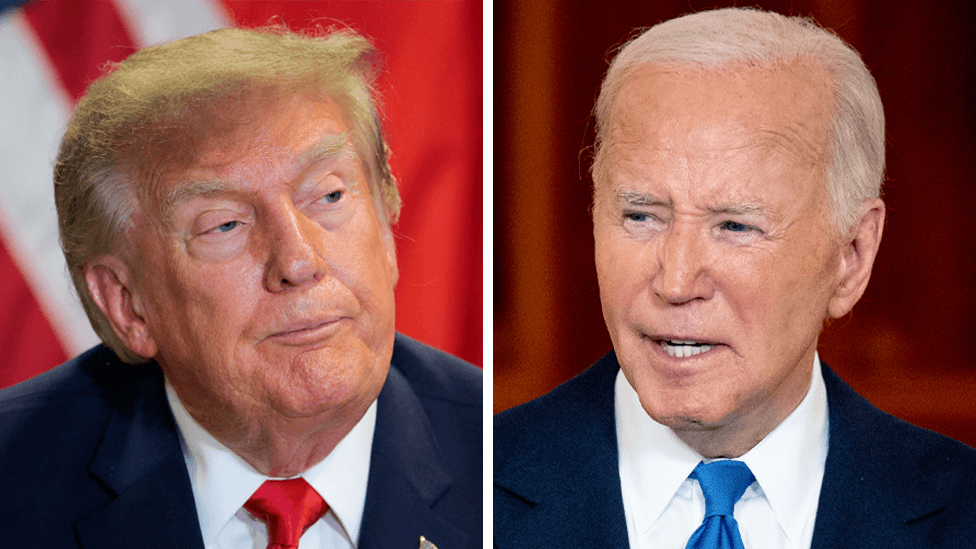
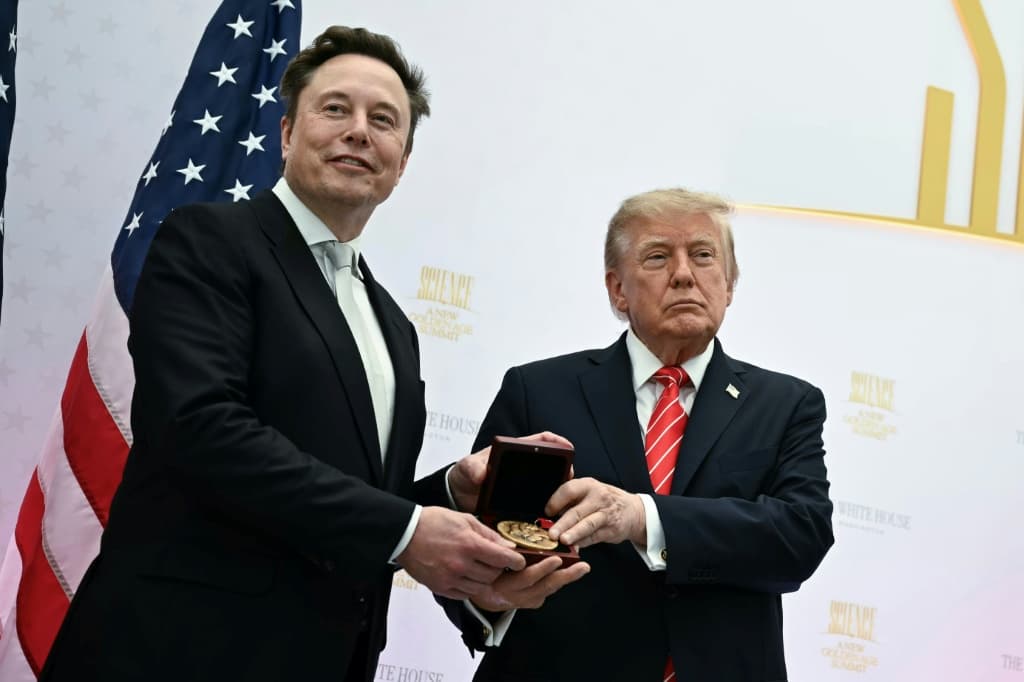
- Trump has intensified efforts to remove Fed Governor Lisa Cook, who rejects the accusations
- Trump has intensified efforts to remove Fed Governor Lisa Cook, who rejects the allegations
The rate will likely remain untouched — but December is in question
The Federal Reserve will announce its rate decision on Wednesday at 19:00 Central European Time, and, according to Euronews, most analysts expect it to remain at 3.75–4% — less than a week before the US midterm elections. According to the CME Group's FedWatch tool, markets put the probability of the rate being held above 90%, yet they price in a 73% chance of a quarter-point hike at the December 8–9 meeting. That would extend September's hike — the first in three years.
A split within the Fed and political pressure
Since September, a number of senior Fed officials have been dialing back the sense of urgency about further moves: Fed Vice Chair Philip Jefferson noted the sharp rise in the cost of long-term borrowing and said his colleagues «may need more time» to form their own assessment, while New York Fed President John Williams said «there is no reason to rush». Not everyone shares the restraint: Beth Hammack and Lorie Logan, the heads of the Cleveland and Dallas branches, believe rates are not high enough and may vote for a hike; there could be as many as three dissenters. The political backdrop is also present: Joseph Lavorgna, chief economist at SMBC's US arm and a former Trump administration official, believes «the Fed does not want to poke the White House in the eye six days before the election».
Inflation is accelerating, oil remains high
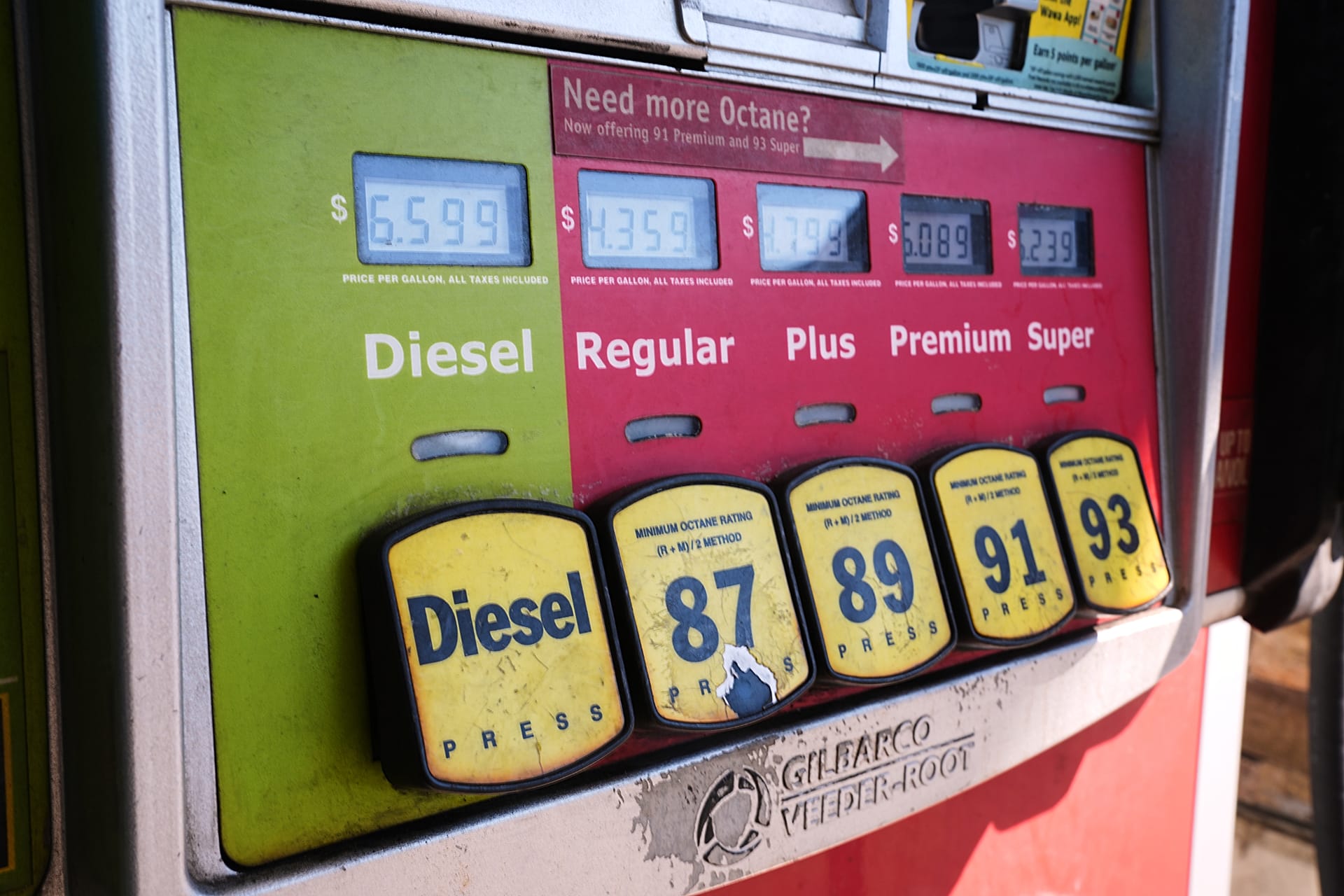
Arguments for tightening persist: consumer prices rose 3.7% year-on-year in September, up from 3.4% in August, core inflation reached 2.6%, and wholesale prices jumped 6.3%. Gasoline, which has cost more than $4 per gallon for three months, accounted for more than half of September's price increase, according to the US Labor Department; diesel hit a record $6.53 per gallon in late September. Brent crude on Monday fell by more than 6% from around $117.4 per barrel amid what Euronews describes as apparent progress in diplomacy over the war with Iran, but on Tuesday it traded near $110.8 — well above the roughly $72 before the war began in late February. Chicago Fed President Austan Goolsbee called the inflation dynamics «discouraging» and the current level of core inflation «unacceptable».
The economy holds up, all eyes on Warsh
The economy, in Euronews' words, «is bending rather than breaking»: only 29,000 jobs were created in September, unemployment rose to 4.2%, but second-quarter growth came in at 2.2% annualized, and the Atlanta Fed's GDPNow model points to 3.5% in the third quarter. The 30-year mortgage rate hit 7.4% in early October — a three-year high; according to Oxford Economics, rising rates have priced out another roughly 5 million American families from buying a home. Immediately after the meeting, on Thursday, the first estimate of third-quarter GDP growth and September data for the PCE index — the Fed's preferred inflation gauge — will be released.
Warsh gives no hints, Fed independence under scrutiny
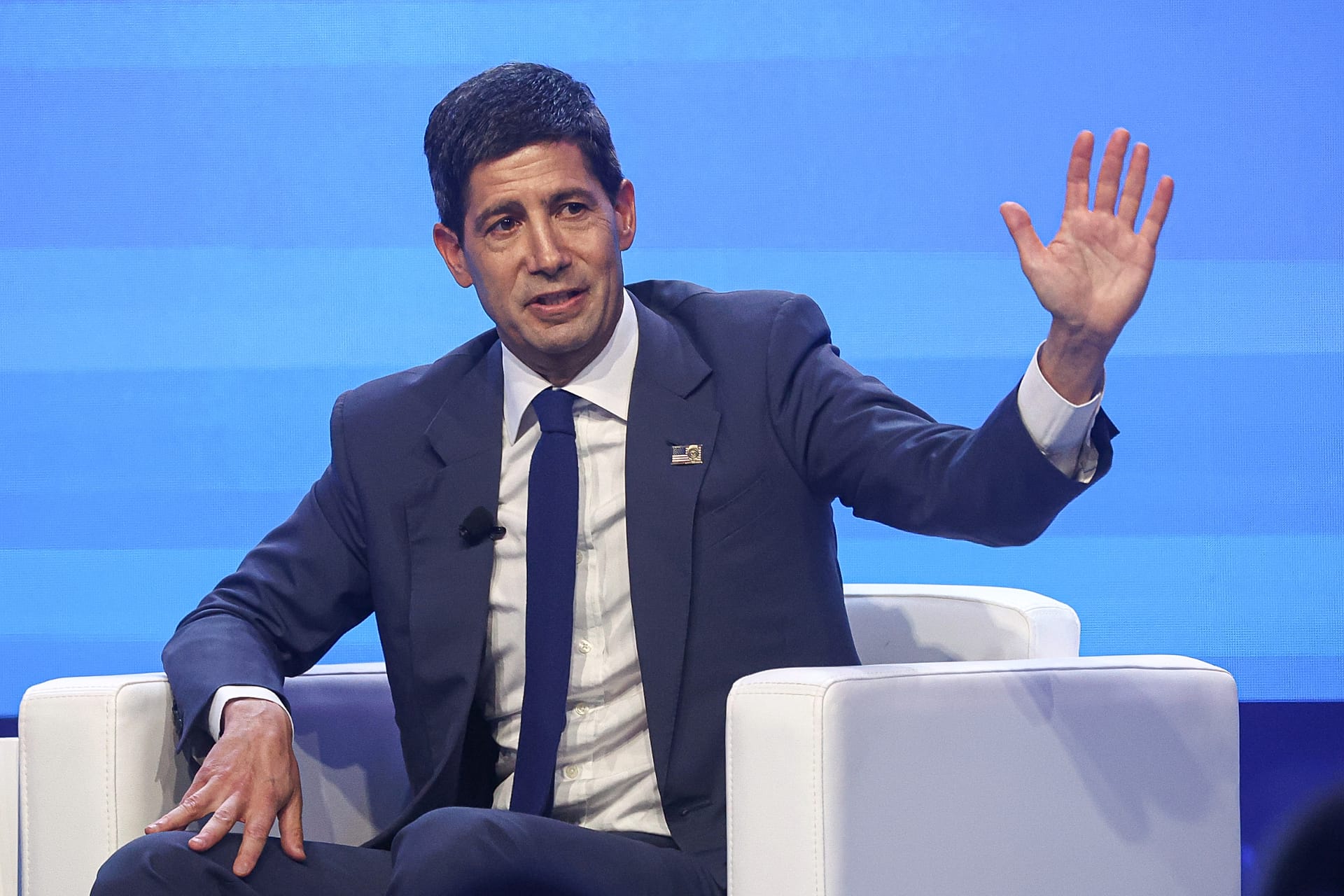
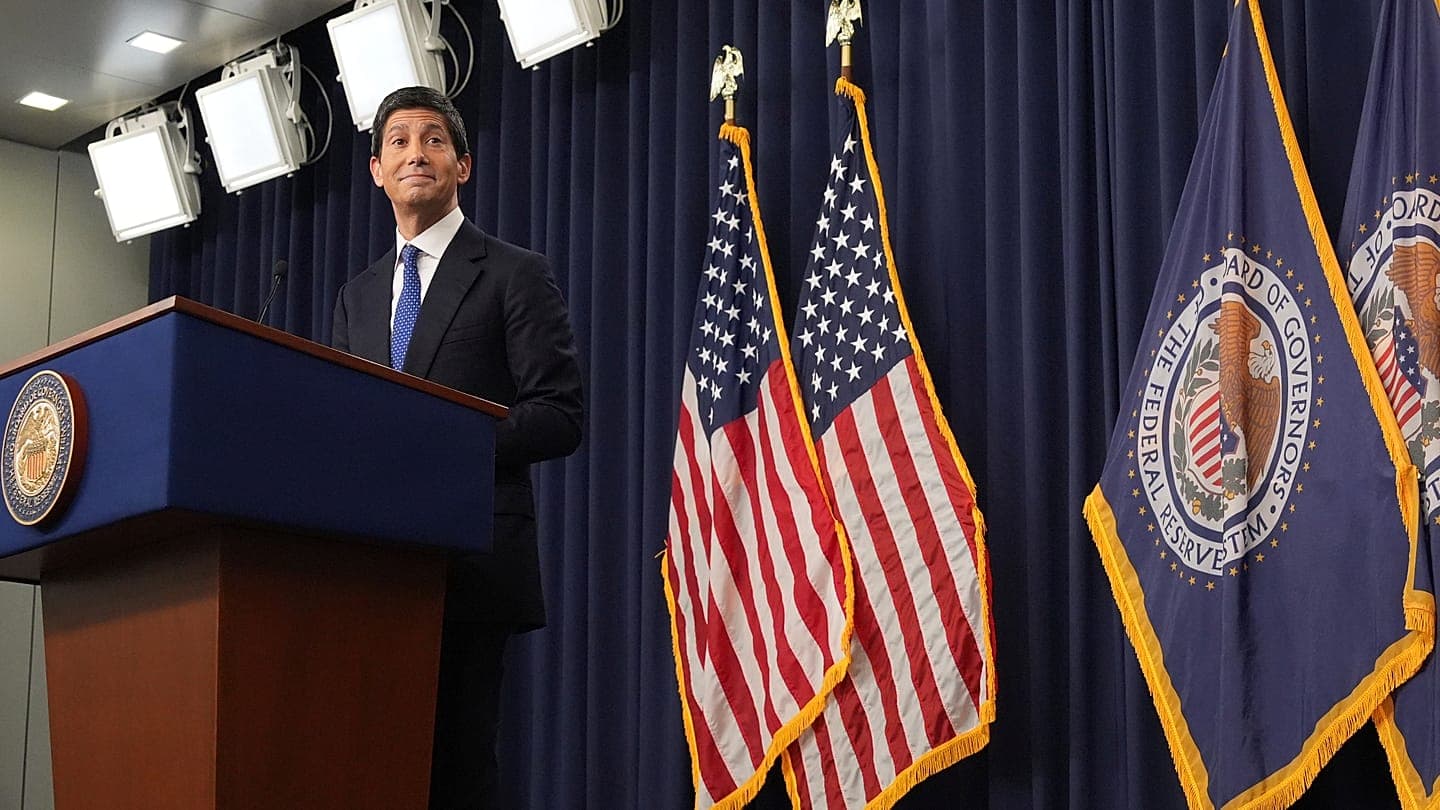
Fed Chair Kevin Warsh, who will face journalists at 19:30, has given markets almost no signals: in Bangkok at the IMF and World Bank meetings he said that the world is 'developing broadly in line with our expectations' since September, stressed that he 'does not draw conclusions in advance,' and consistently avoids forward guidance. According to Aditya Bhave of Bank of America, an unexpected rate hike would effectively end the practice of advance signaling, although most economists do not believe this. A separate storyline is the pressure on the regulator's independence: Warsh in September rejected Donald Trump's calls to cut rates, and Trump later created a three-member commission to assess grounds for the dismissal of Fed Governor Lisa Cook, who rejects the mortgage fraud allegations and is expected to testify before the commission next week. If Warsh emphasizes the need to return inflation to the 2% target faster, investors will most likely take this as confirmation of a December rate hike.