The key facts
- The Fed kept the rate at 3.75–4%, with a 10–2 vote — the first committee split since September
- US inflation is 3.7%; markets put the probability of a December hike at 87.5%
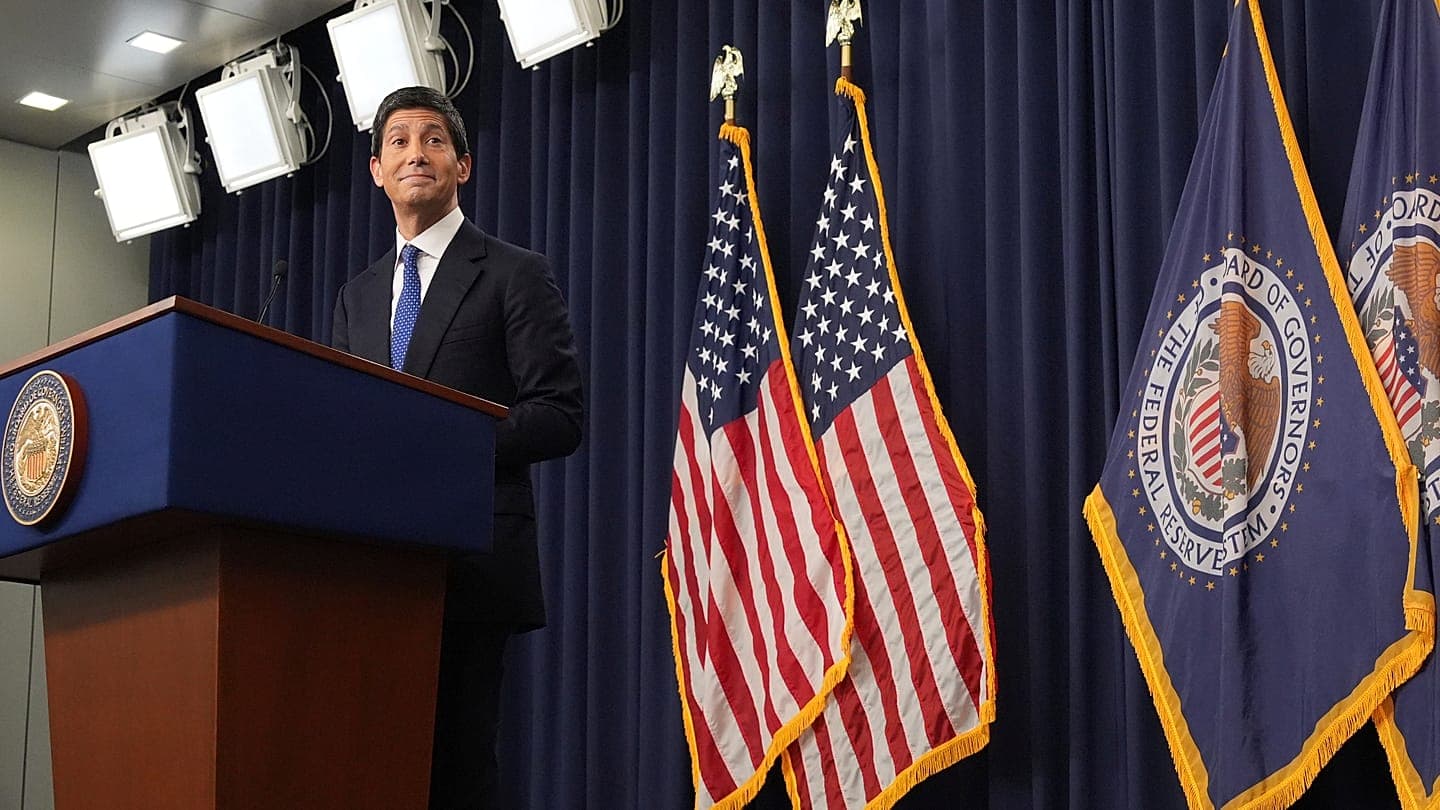
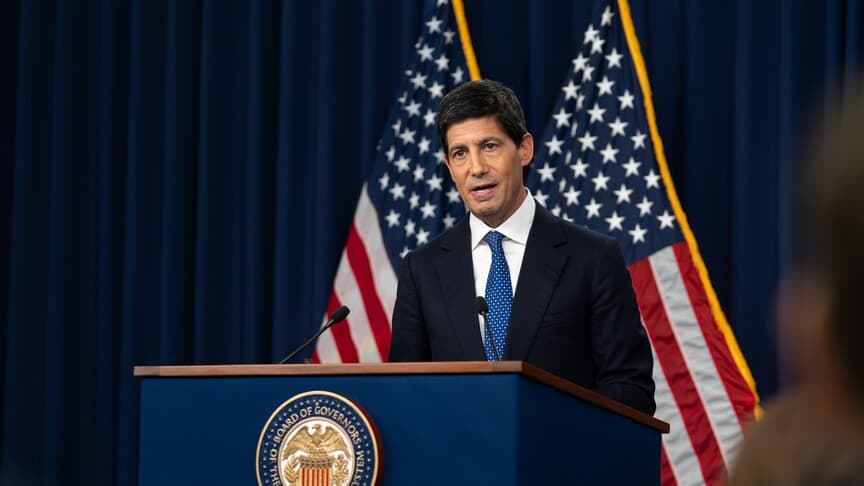
- Kevin Warsh announced an FOMC calendar reform: fewer rate-setting meetings in 2027–2028
A pause after the September hike
The US Federal Reserve System on Wednesday kept its benchmark interest rate unchanged in the range of 3.75–4%. The Federal Open Market Committee voted 10–2: governor Lisa Cook and Cleveland Fed president Beth Hammack argued for another 25-basis-point increase. This is the first split since September, when the decision to raise rates — the first in three years — was unanimous, euronews notes. Dallas Fed president Lori Logan, who had also been expected to favor a hike, supported the pause.
Inflation and the economy
The Fed's statement said that 'inflation remains elevated,' and that accumulating additional information will help determine the policy for a 'timely return' of inflation to the 2% target. The wording leaves room for maneuver: in September it spoke of a 'more timely' return to the target. At the same time, the regulator upgraded its assessment of the economy — activity is now 'expanding at a strong pace' instead of September's 'solid' pace. Mentions of the war in Iran and energy shocks, which appeared in June and July when Kevin Warsh had just taken over the Fed, have disappeared from the statements since September.
Price pressure persists
The arguments of the tightening advocates rest on data: US consumer prices in September rose 3.7% year over year, while core inflation rose to 2.6%. More than half of September's price increase was driven by gasoline, which has been above $4 per gallon for three months, while diesel hit a record $6.53 at the end of September. Brent crude on Monday fell more than 6% amid diplomacy over Iran, but by Wednesday was trading around $111.75 per barrel — versus roughly $72 before the conflict began in late February. Meanwhile, the economy is holding up: second-quarter growth was 2.2% at an annualized rate, and the Atlanta Fed's GDPNow tracker points to 3.5% in the third quarter. The flip side is that the average 30-year mortgage rate hit a three-year high of 7.4% in early October, and hiring slowed: only 29,000 jobs were added in September, while unemployment rose to 4.2%.
What's next
According to CME FedWatch, after the decision markets put the probability of a hike at the December 8–9 meeting at 87.5%, up from 73% the day before. Warsh himself, a longtime critic of forward guidance, repeated the statement's provisions at the press conference and reminded that he 'does not prejudge the outcomes of meetings'. He also announced a restructuring of the FOMC calendar: eight meetings a year will remain, but in 2027 one will be devoted to strategy without a rate vote, and in 2028 there will be two such meetings — meaning rate decisions will be made seven times in 2027 and six times in 2028, versus eight now. Already on Thursday, the US will release the first estimate of third-quarter growth and the September PCE index — the Fed's preferred inflation gauge — while on Thursday the ECB will announce its decision, which, as expected, will keep the deposit rate at 2.5%.
Cook's fate
Lisa Cook's dissenting vote came against the backdrop of Donald Trump's ongoing attempts to remove her over mortgage fraud allegations, which she denies. Trump has created a three-person committee that is to recommend whether there are grounds for dismissal; Cook, appointed by Joe Biden, is expected to appear before it next week. In June, the Supreme Court already blocked a previous attempt to remove her.