The key facts
- The FOMC will announce its decision on Wednesday at 18:00 GMT; analysts expect the rate to stay in the 3.75–4.0% range
- PCE inflation hit a three-year high of 3.9% in May after the US and Israeli strike on Iran
- Former Cleveland Fed chief Loretta Mester sees a hike in December rather than October
Expectations ahead of the FOMC meeting
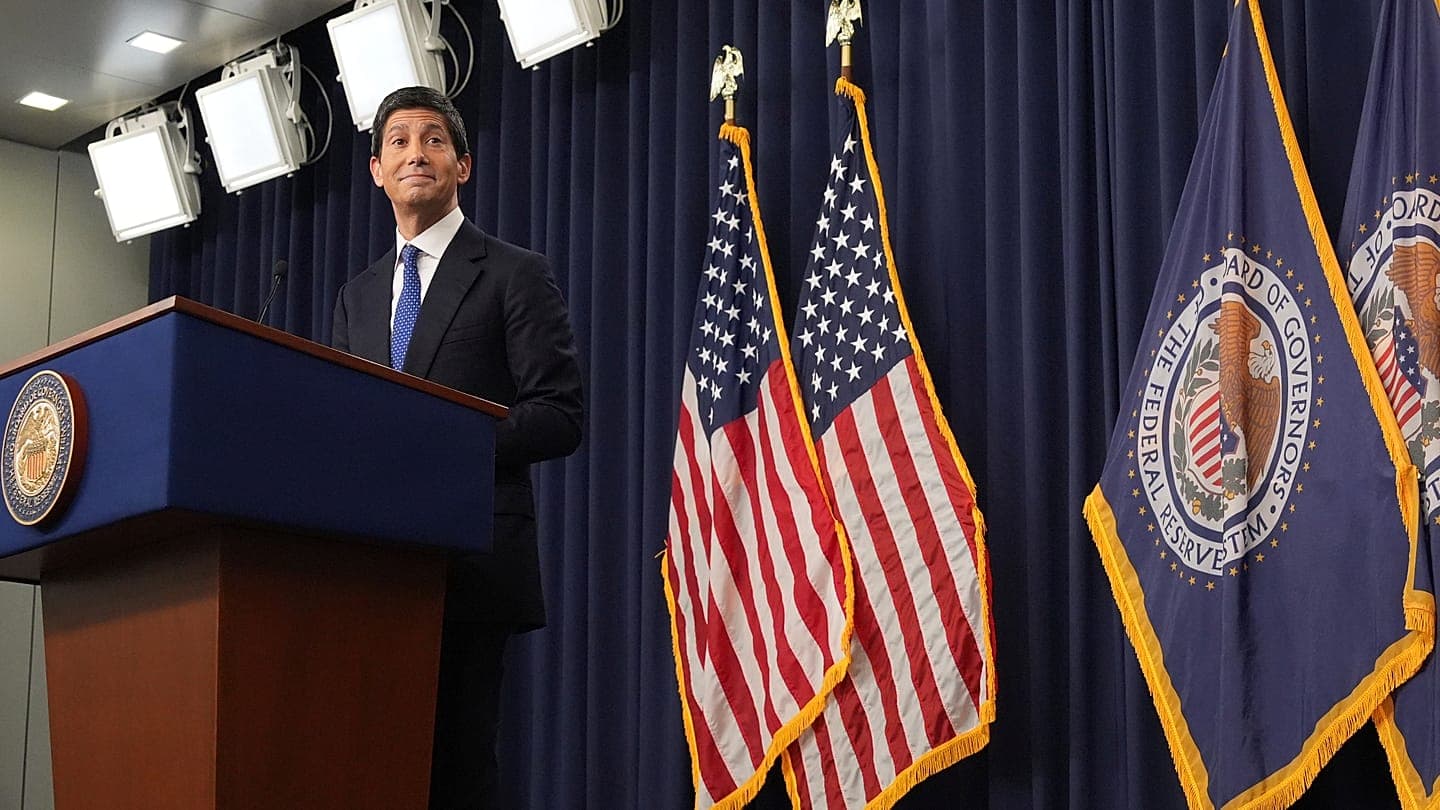
The US Federal Reserve, according to analysts, is highly likely to keep interest rates unchanged at the two-day meeting of the Federal Open Market Committee (FOMC), with the decision to be announced on Wednesday at 18:00 GMT. AFP reports. This scenario is being discussed despite persistently high inflation and the fact that markets are pricing in at least one rate hike by the end of the year.
Context: inflation and the previous hike
The Fed has missed its long-term 2% inflation target for more than five years. At its September meeting, the committee raised the federal funds rate for the first time in three years, bringing the target range to 3.75–4.0%. The Personal Consumption Expenditures (PCE) price index — the Fed's preferred inflation gauge — peaked at 7.2% in 2022, fell to roughly 2.2% by the end of 2024, but then accelerated again and hit a three-year high of 3.9% in May. According to AFP, the acceleration of inflation is linked to Donald Trump's economic policies, including tariffs, and to the war with Iran: after the US and Israeli strike on Iran in late February, global energy prices rose sharply, and Tehran's retaliatory actions severely restricted oil and gas shipments through the Persian Gulf. Rising energy prices began spreading to other goods and services, and prices became a key issue for voters.
Political backdrop and expert opinions
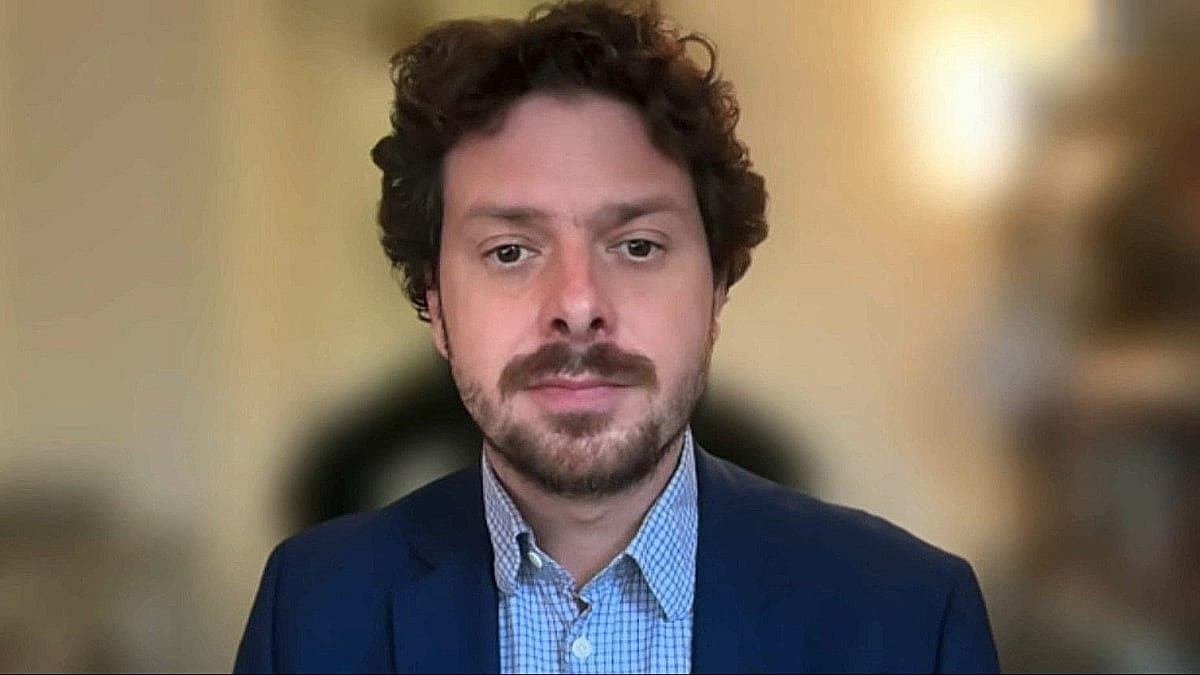
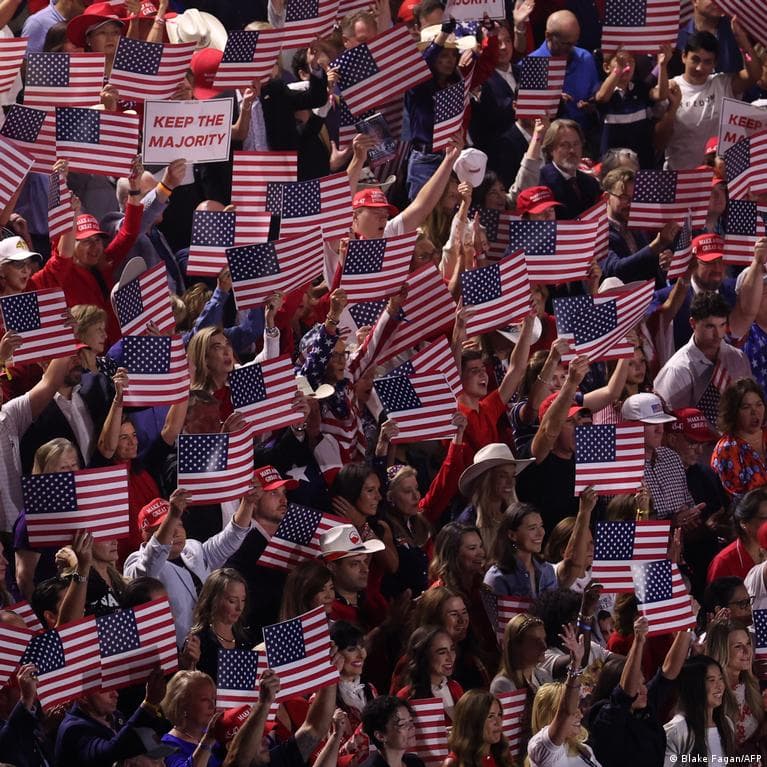
The meeting takes place just days before the November 3 midterm elections, in which the Democratic Party is trying to wrest control of both chambers of Congress from Trump's Republicans. Loretta Mester, former head of the Cleveland Fed, told AFP that the proximity of the elections will not be a factor for the governors: in her words, political considerations are not taken into account in the FOMC room, and decisions are based on economics. She believes the data — a stable labor market and inflation above target with no signs of moving toward 2% — point to the need to keep raising rates, but most governors will likely prefer not to rush and postpone tightening until the December meeting. Wendy Edelberg, a senior fellow at the Brookings Institution, believes that central bankers do not want to find themselves at the center of a political dispute ahead of the elections; in her view, moving the rate hike from October to December would have little economic consequence, and it is more a way to avoid political attacks than a 'nod to Trump,' who is aggressively demanding rate cuts.
Pressure on the Fed's independence
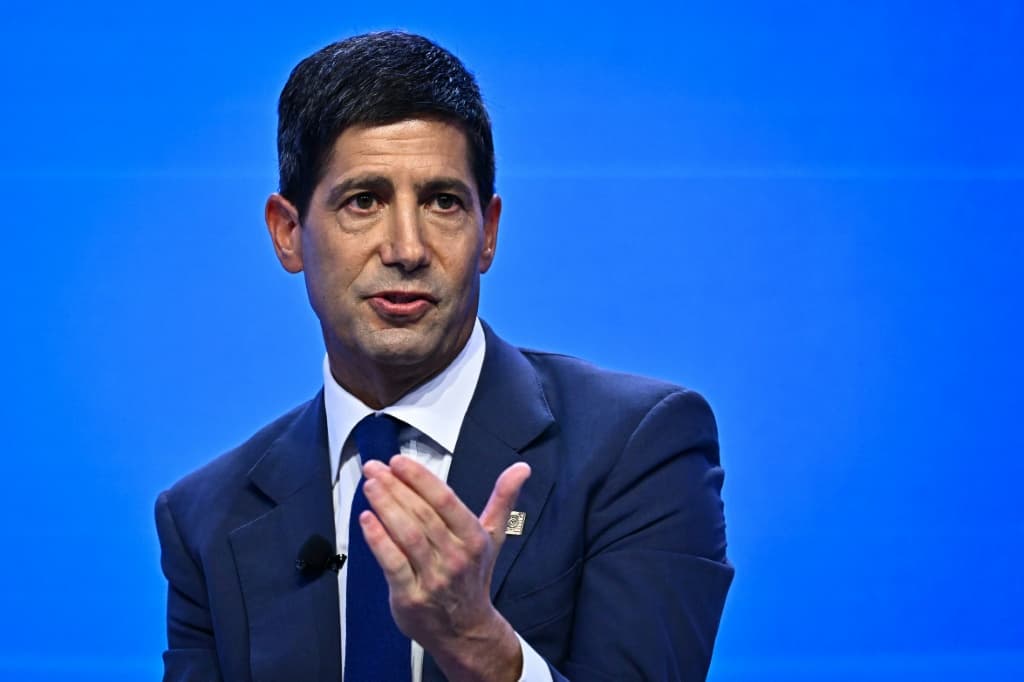
Since returning to power last year, Trump, as described by AFP, has been exerting unprecedented pressure on the Fed's independence: a criminal investigation was launched against his predecessor as Fed chair, Jerome Powell, and the attempt to remove Governor Lisa Cook continues, despite a Supreme Court ruling that overturned an earlier attempt to dismiss her. The investigation against Powell was dropped to facilitate Kevin Warsh's confirmation in the Senate. Last week, Cook refused to participate in hearings on the White House investigation into alleged mortgage fraud, which she denies. Meanwhile, Trump, who frequently criticized Powell for high rates, has so far refrained from publicly attacking Warsh himself.
Why it matters
The Fed's decision directly affects borrowing costs and yields for borrowers and investors worldwide, and its coincidence with the US elections makes the rate politically sensitive. The facts presented suggest that the nearest practical fork is moving a possible rate hike from the October to the December meeting, as both quoted experts indicate; the final decision will be known on Wednesday at 18:00 GMT. It remains unknown exactly how the committee will vote and whether it will change its signals about the future path of rates.