News

European Union

News about European Union: events, facts and developments on tafs uz.

34 stories

European Parliament calls for adding the Houthis to the EU list of terrorist organisations

The European Parliament approved by a majority a resolution calling for Yemen's Houthis (Ansar Allah) to be added to the EU list of terrorist organisations. MEPs condemned attacks on Saudi Arabia, the blockade of the Bab el-Mandeb strait and the group's support from Iran. The final decision rests with the EU Council, where unanimity among member states is required.

3 min read

EIB to double climate adaptation financing to €30 billion by 2030

The European Investment Bank announced plans to increase financing for climate adaptation measures to at least €30 billion by 2030. The decision comes against the backdrop of an estimated €43 billion in EU losses from the extreme weather events of summer 2025 and a forecast of cumulative damage of up to €126 billion by 2029.

3 min read

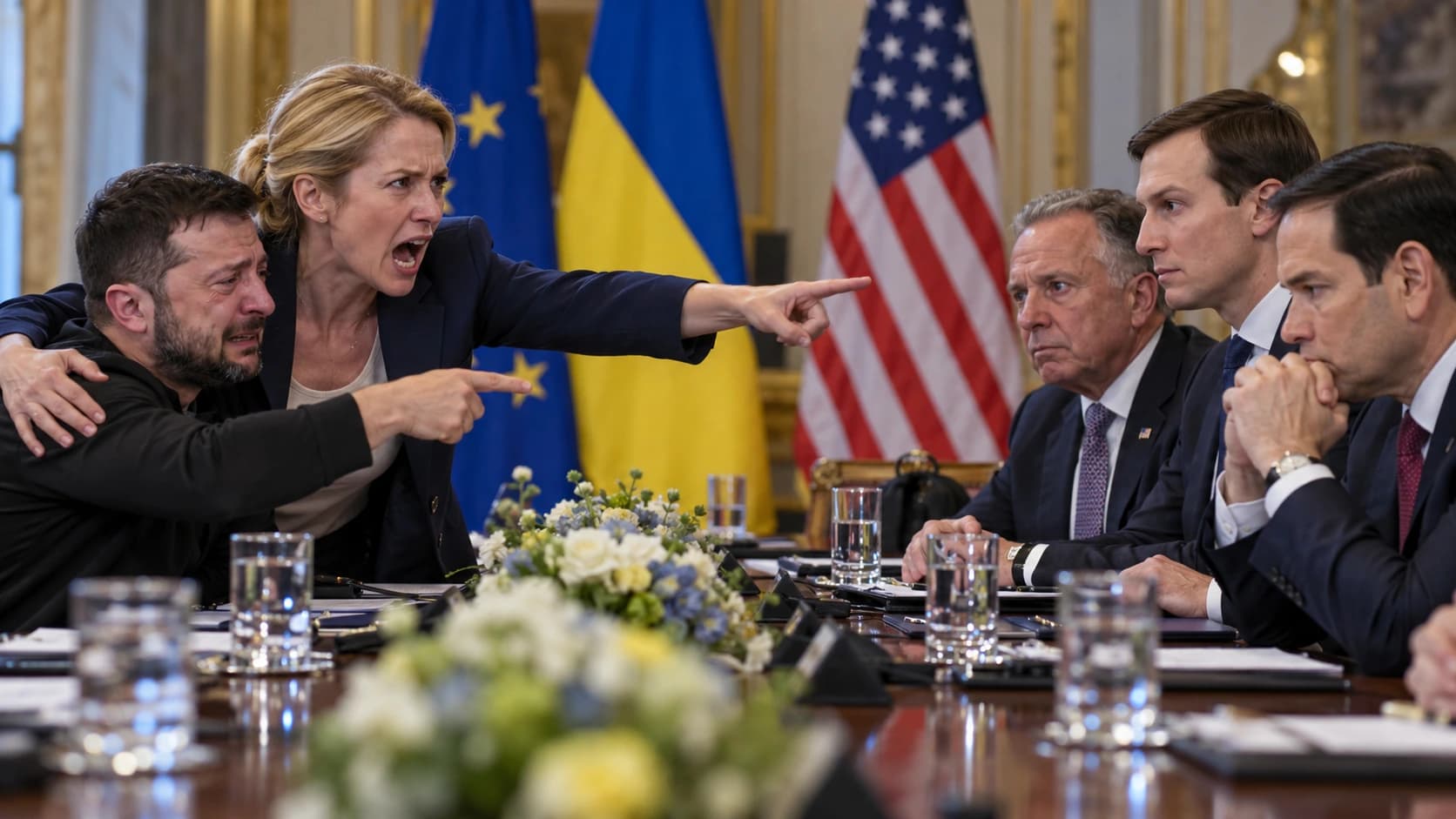
Kaja Kallas accused the US of trying to force Ukraine to capitulate

EU foreign policy chief Kaja Kallas, speaking at a plenary debate of the European Parliament in Strasbourg, said that American negotiators have been trying for about a year and a half to two years to push Ukraine into capitulation on Russia's terms. In her view, Kyiv has been held back from such concessions thanks to EU support. She also demanded that Europe be given a seat at the negotiating table on resolving the conflict.

2 min read

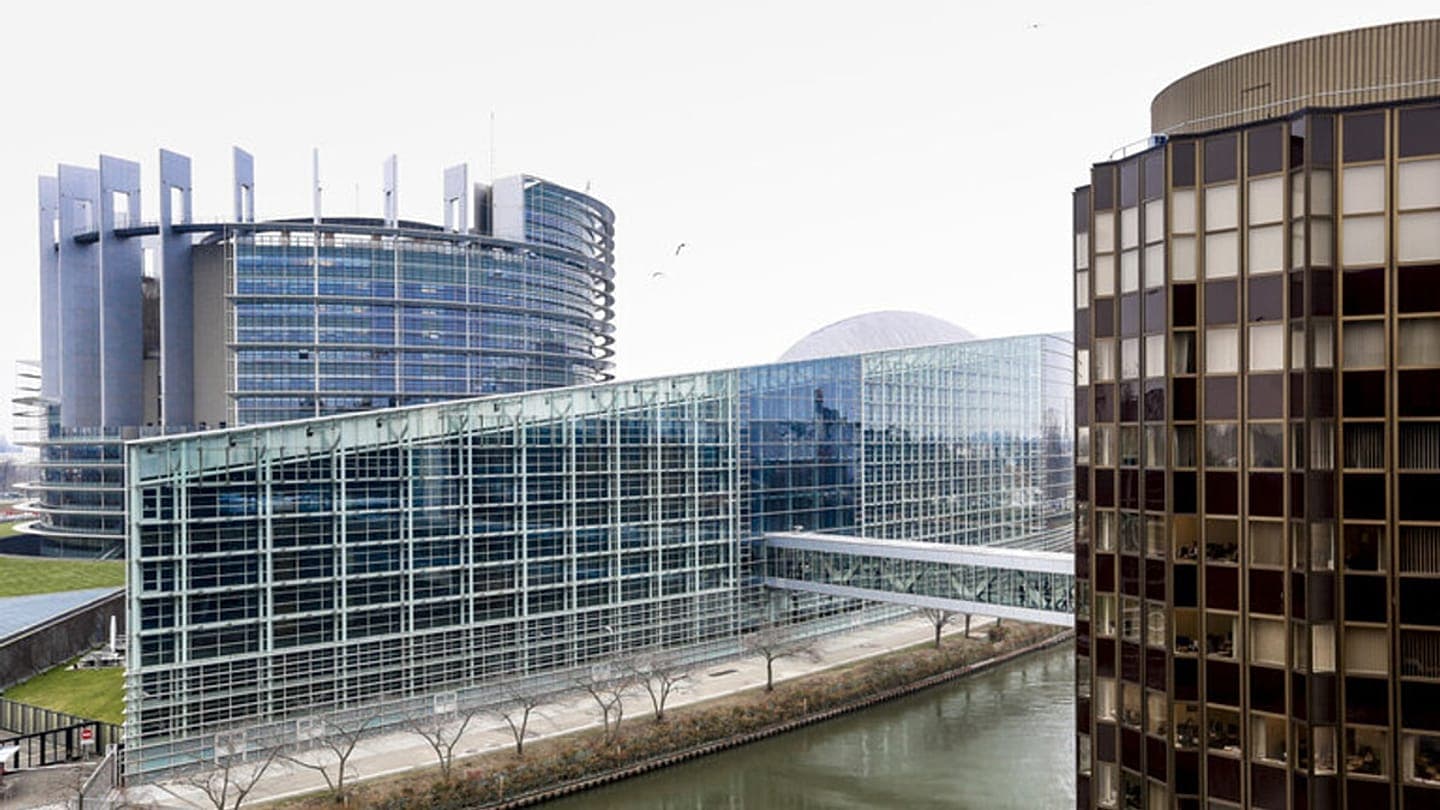
Searches at Patriots for Europe offices in Brussels and Strasbourg over case of €4 million misuse

The European Public Prosecutor's Office (EPPO) carried out searches in administrative offices in European Parliament buildings in Brussels and Strasbourg. According to sources, the searches are linked to an investigation into the alleged misuse of EU funds by the Identity and Democracy (ID) group, dissolved in 2024. The Patriots for Europe (PfE) group, the successor to ID, denies any 'legal succession' and its involvement. EP auditors estimated possible losses at a minimum of €4.3 million.

3 min read

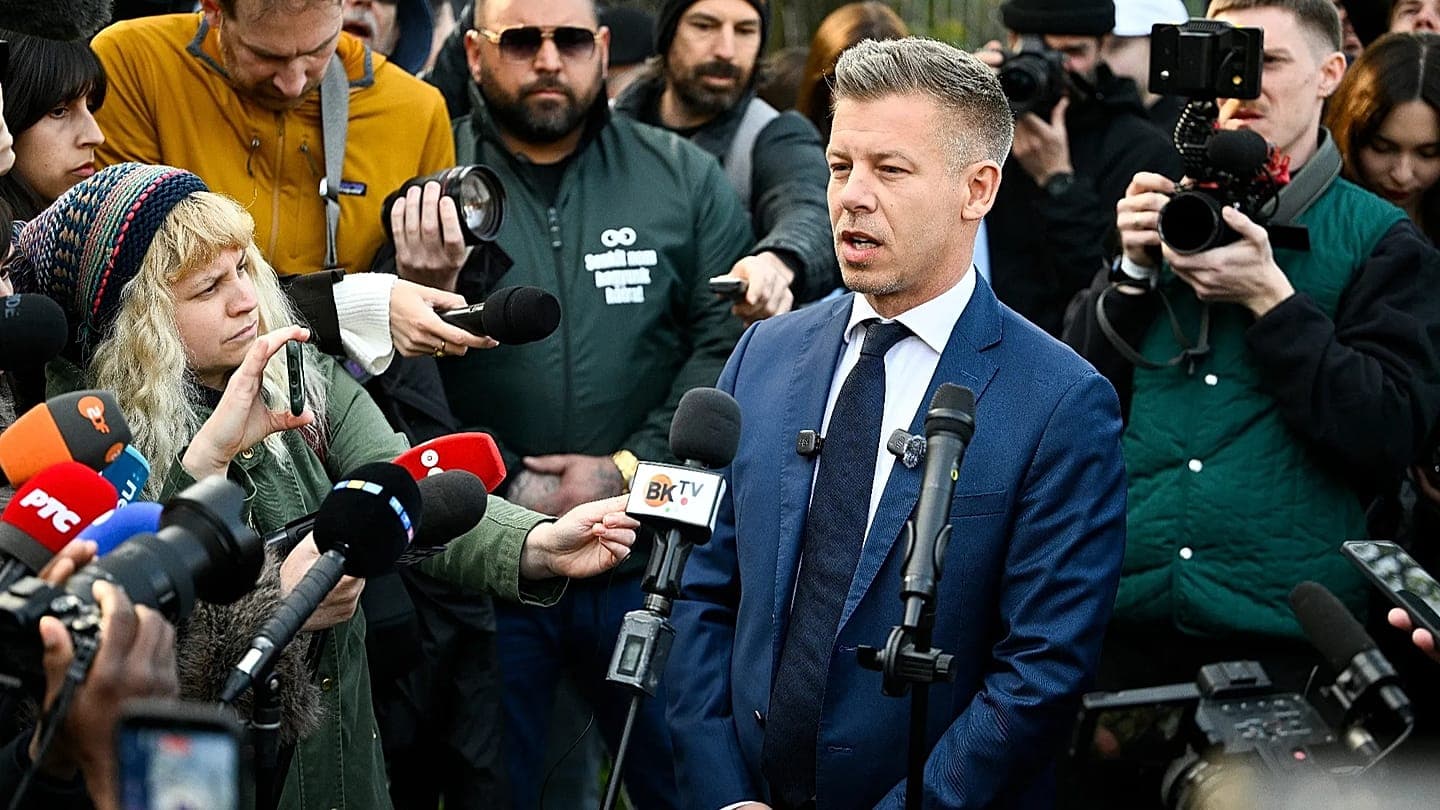
Hungarian PM Magyar linked the riots in France to migration and promised a hard line

Hungarian Prime Minister Péter Magyar said the 'shocking scenes' of the riots in France justify Budapest's tough migration policy. Anti-austerity protests in Paris, Lyon and Marseille were accompanied by pogroms and fires, including the burned-down town hall in Limoges. Magyar's comments drew criticism in Hungary, while Tusk and Macron took different positions.

2 min read

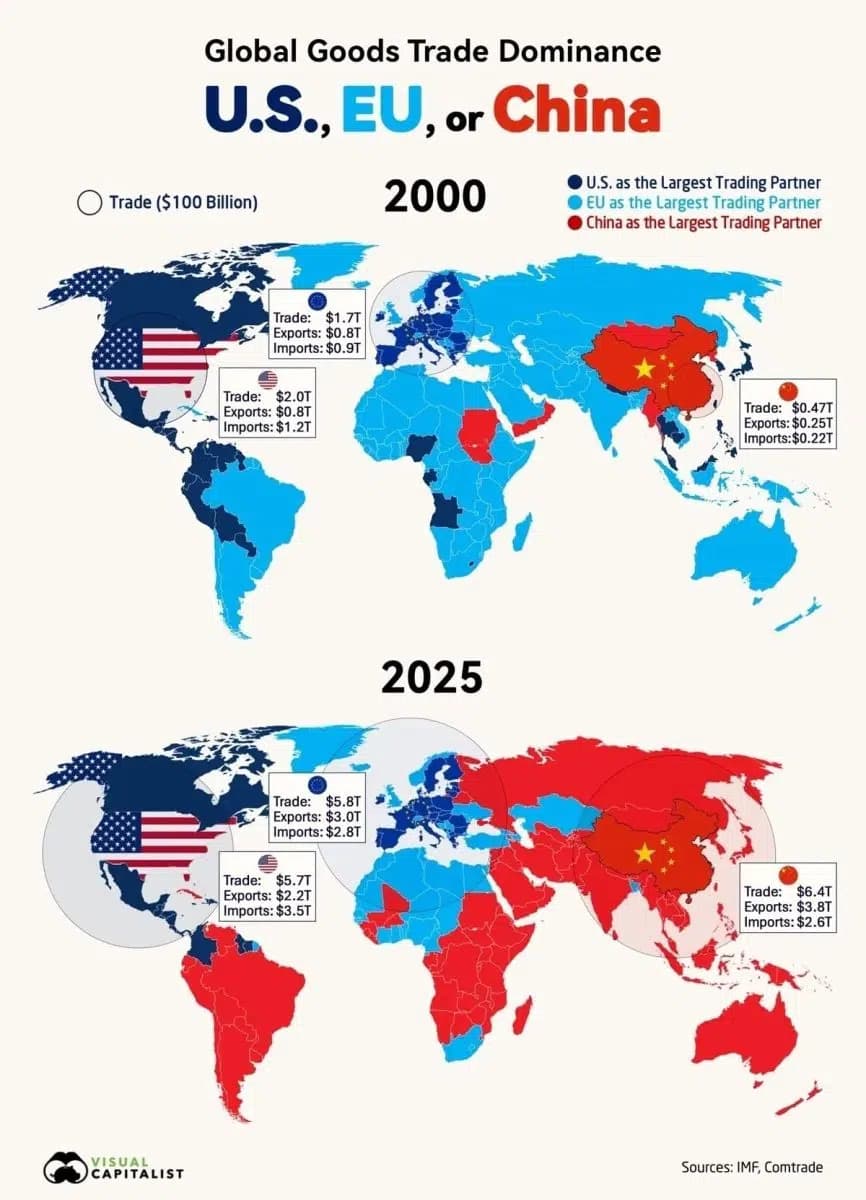
Infographic: China Overtakes the US and EU in Trade with 92 Countries

According to Visual Capitalist data based on IMF statistics and the UN Comtrade database, in 2000 the EU was the leading trade partner among the trio 'China — US — EU' in 112 of 175 economies, and the US in 53. By 2025, the leadership had shifted: China became the top partner in 92 countries, the EU in 55, and the US in 32. China's external goods trade grew from $470 billion in 2000 to $6.4 trillion in 2025.

2 min read

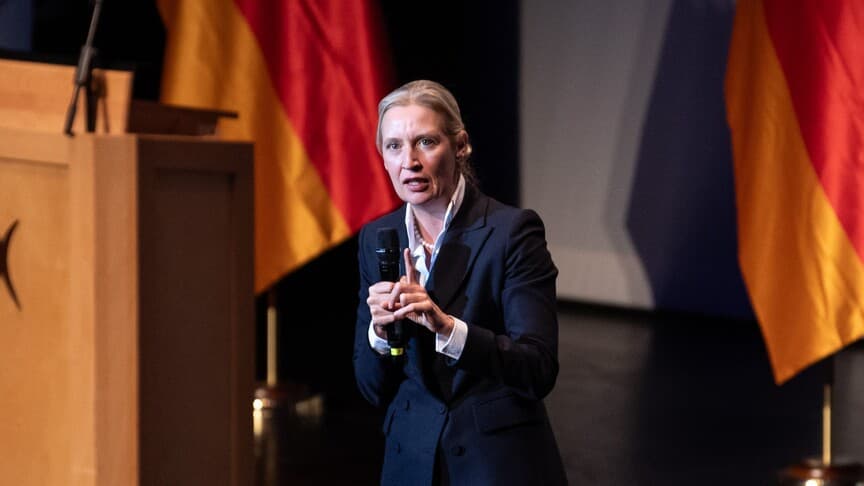
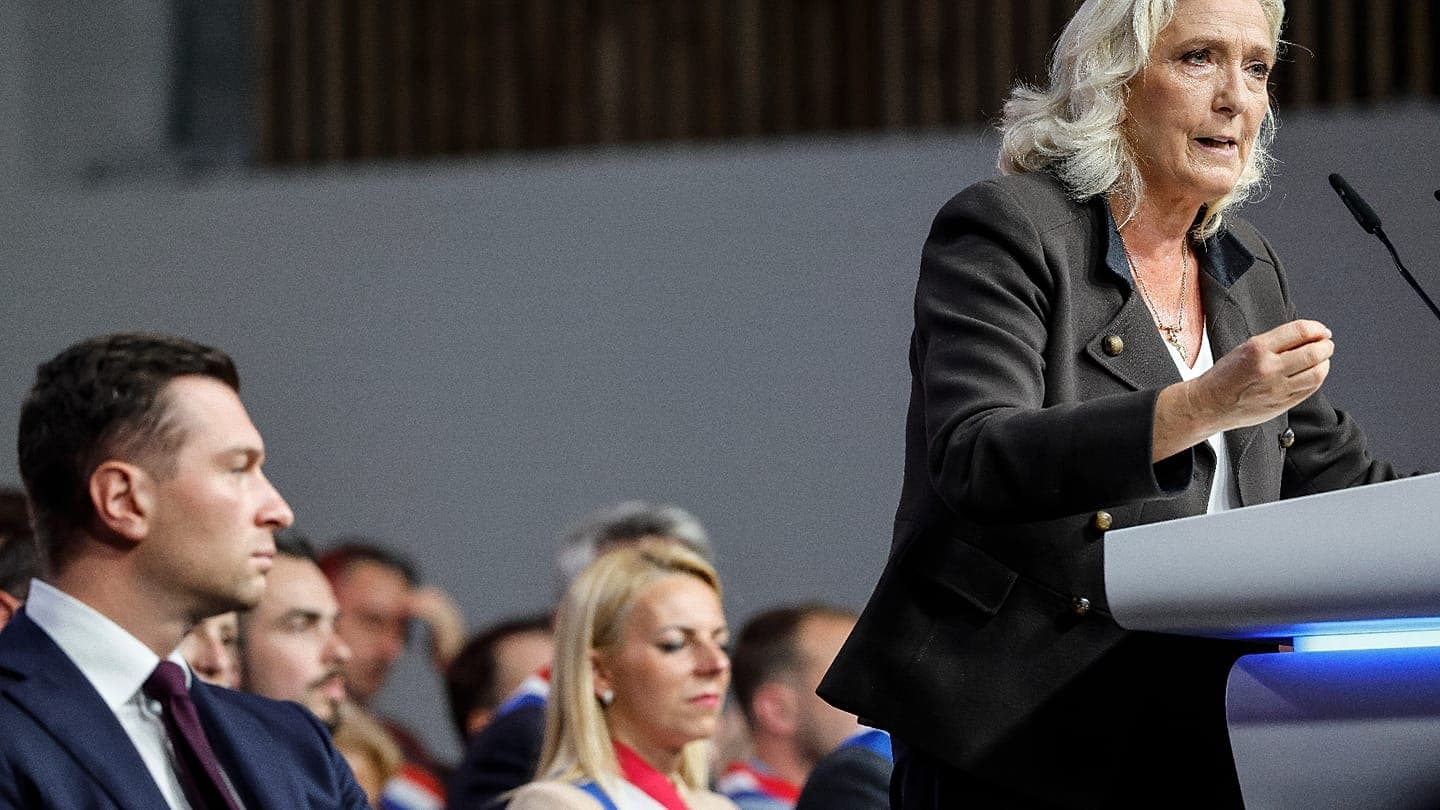
Le Pen's victory in the French election could change support for Ukraine and the EU budget — Euronews analysis

Marine Le Pen, leader of the National Rally, promises to cut France's contributions to the EU budget and stop funding Ukraine six months after winning the presidential election. Experts warn this could undermine the entire system of European aid to Kyiv, including a €90 billion loan. Zelensky responded that Le Pen is 'not familiar with the details,' while Meloni confirmed that support for Ukraine remains unchanged.

5 min read

Sponge cities: how Europe is learning to turn rain from a problem into a resource

The 'sponge city' concept, developed in China in the early 2000s, involves absorbing, retaining and reusing rainwater through green spaces and permeable surfaces. European cities including Malmö, Rotterdam and Copenhagen are already applying similar solutions, and the European Commission is promoting them in the 2025 Water Resilience Strategy. Experts warn: sponge cities are a powerful but not universal tool for protection against floods and drought.

4 min read

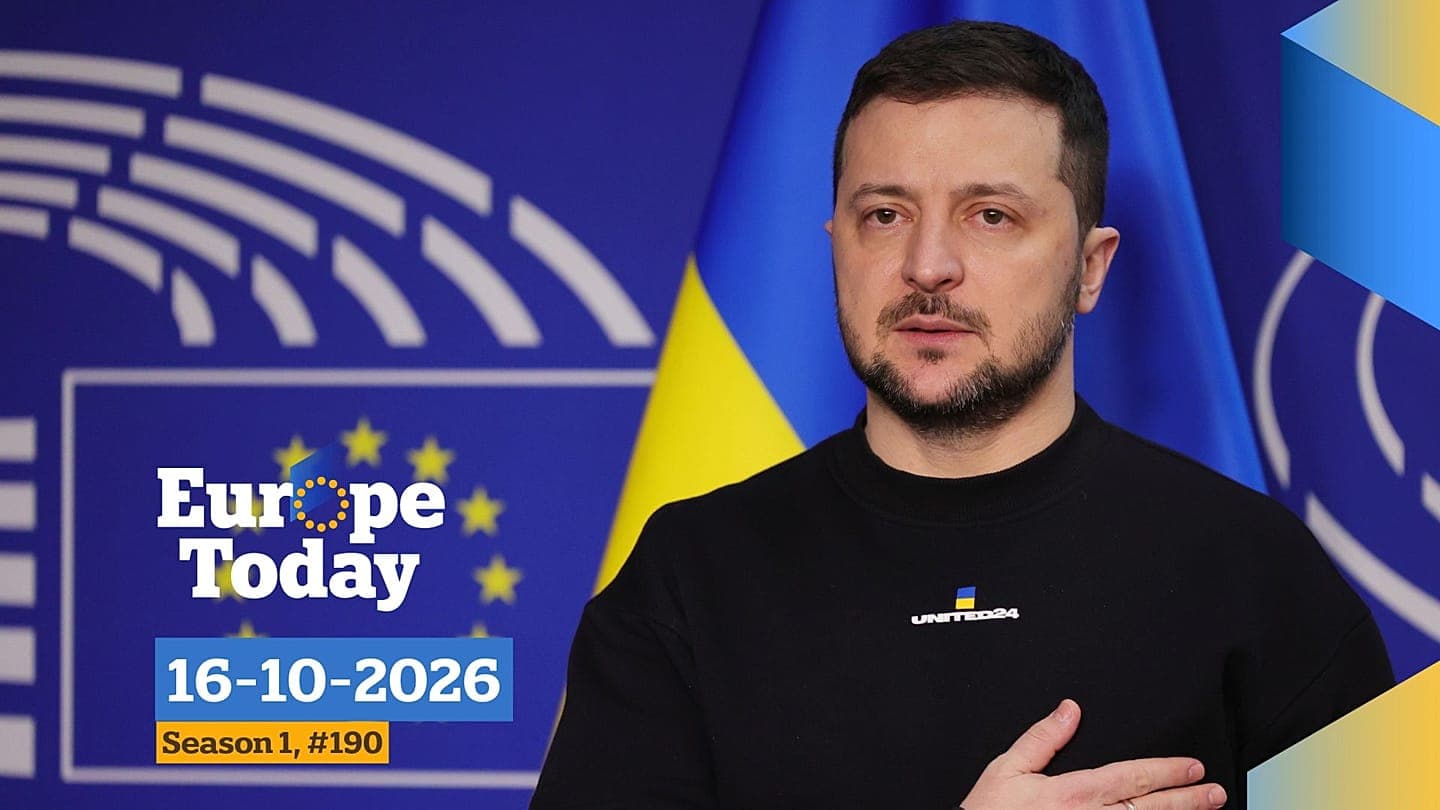
Zelensky arrived in Brussels: Kyiv seeks EU backing amid tensions with the US

Euronews' 'Europe Today' programme of 16 October 2026 is devoted to Volodymyr Zelensky's visit to Brussels. The episode discusses the possible reduction of Ukraine's dependence on American military technology, Zelensky's first meeting with Hungary's new Prime Minister Péter Magyar, a prolonged European Council session, and disputes over support for the ICC and the use of frozen Russian assets.

2 min read

Europe experiences its most severe West Nile virus season: 1,715 cases and 130 deaths

According to ECDC, the 2026 season has become the most intense on record: 1,715 locally acquired cases and 130 deaths have been registered in the EU. The virus is spreading northward — locally acquired infections have been recorded in Belgium for the first time, and case numbers are rising in the Netherlands. Italy, Greece and France have reported record figures.

2 min read

Cyber threats are just the tip of the iceberg: businesses in Europe face a record number of security risks

A survey commissioned by the European Commission found that three out of four employees encounter suspicious emails and links, and 39% face phishing. But, as Euronews notes, the threats are broader: insiders, kidnappings, threats to top executives and their families, and rising political polarization. The average annual cost of insider incidents in Europe is $18.6 million.

3 min read

Sateliot chief: Europe needs sovereignty in space

Jaume Sanpera, CEO of Spanish satellite operator Sateliot, said Europe needs to “wake up” and avoid becoming dependent on two global blocs. The company recently placed five new satellites of its low Earth orbit communications constellation into orbit.

1 min read

Hungary's parliament repeals anti-LGBTQ+ provisions of the 2021 'child protection' law

Hungary's parliament, by 139 votes to 51, adopted amendments removing anti-LGBTQ+ provisions from the 2021 'child protection' law of the Orbán era. This is the first major rollback of the restrictions since pro-European Prime Minister Péter Magyar came to power in May. The ruling Tisza party passed the law without opposition support; Fidesz voted against. The EU welcomed the decision, but human rights advocates note that many discriminatory provisions remain in place.

3 min read