The key facts
- By 2030, the EIB will double climate adaptation financing to at least €30 billion.
- In summer 2025, EU damage from fires, floods and heat is estimated at €43 billion; by 2029 — up to €126 billion (ECB and University of Mannheim).
- The distribution of funds between countries and sectors, as well as the volume of private investment to be attracted, have not yet been disclosed.
The EIB's new plan
The European Investment Bank (EIB) on Thursday, October 22, 2026, announced its intention to double financing for climate adaptation measures to at least €30 billion by 2030. Bank President Nadia Calviño called adaptation an 'obvious necessity' and noted that every euro invested in preventive measures saves €10 on cleanup and repairs. The plan is focused on investments in power grids, public buildings, water supply systems and agriculture, as well as on supporting EU companies bringing adaptation technologies to market. The package will combine loans, guarantees and advisory support with an emphasis on the availability of financing for small and medium-sized businesses; the EIB will also develop tools for assessing local climate risks.
The scale of losses
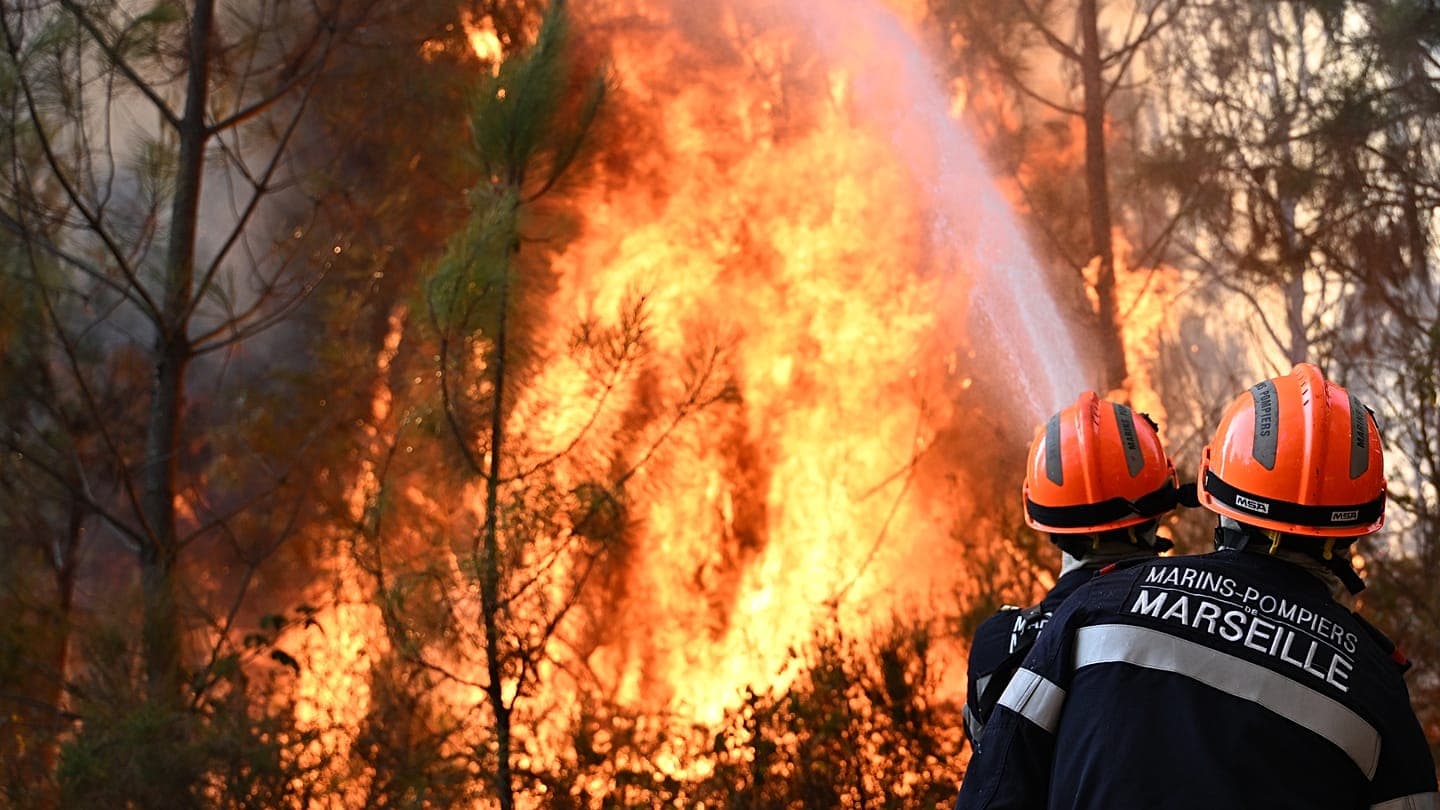
According to a joint study by the European Central Bank and the University of Mannheim, wildfires, floods and heatwaves caused the EU economic losses of approximately €43 billion in the summer of 2025, and cumulative damage by 2029 could reach €126 billion. This year, more than 600,000 hectares burned in the EU — more than double the long-term average over two decades; record temperatures were recorded in June. At least 35,000 excess deaths were linked to the heat. European Commission President Ursula von der Leyen announced a European action plan during heatwaves in her September State of the Union address.
Acknowledging insufficient investment
The EIB, which calls itself 'the EU climate bank,' explicitly acknowledged that investment is not keeping pace with growing adaptation needs. The bank's second adaptation plan states that investment is held back by a lack of quality projects, a shortage of expertise and barriers to financing, and that accelerating adaptation will require more thorough project preparation, stronger technical capacity and greater mobilisation of public and private funds. At the same time, the announcement did not specify how the €30 billion will be distributed between countries and sectors, or how much private investment is planned to be attracted.
Searching for sources of financing
EU countries face a shortage of fiscal space: negotiations on the next multiannual budget became complicated at the EU leaders' meeting on October 15–16. Commissioner for Climate Action Wopke Hoekstra acknowledged that budgets are strained, but emphasised that investing in advance is cheaper than constantly paying for damage from fires and floods. The European Commission's framework programme on climate resilience is expected next week; it should clarify the details of the Climate Insurance Alliance, which von der Leyen also mentioned. Paul Fox, a senior expert at the watchdog organisation Finance Watch, believes that the withdrawal of insurance from the most vulnerable regions is a market failure that the EU is obliged to address, and that natural risk insurance should be guaranteed on the same principle as postal services operating in every corner of Europe.