The key facts
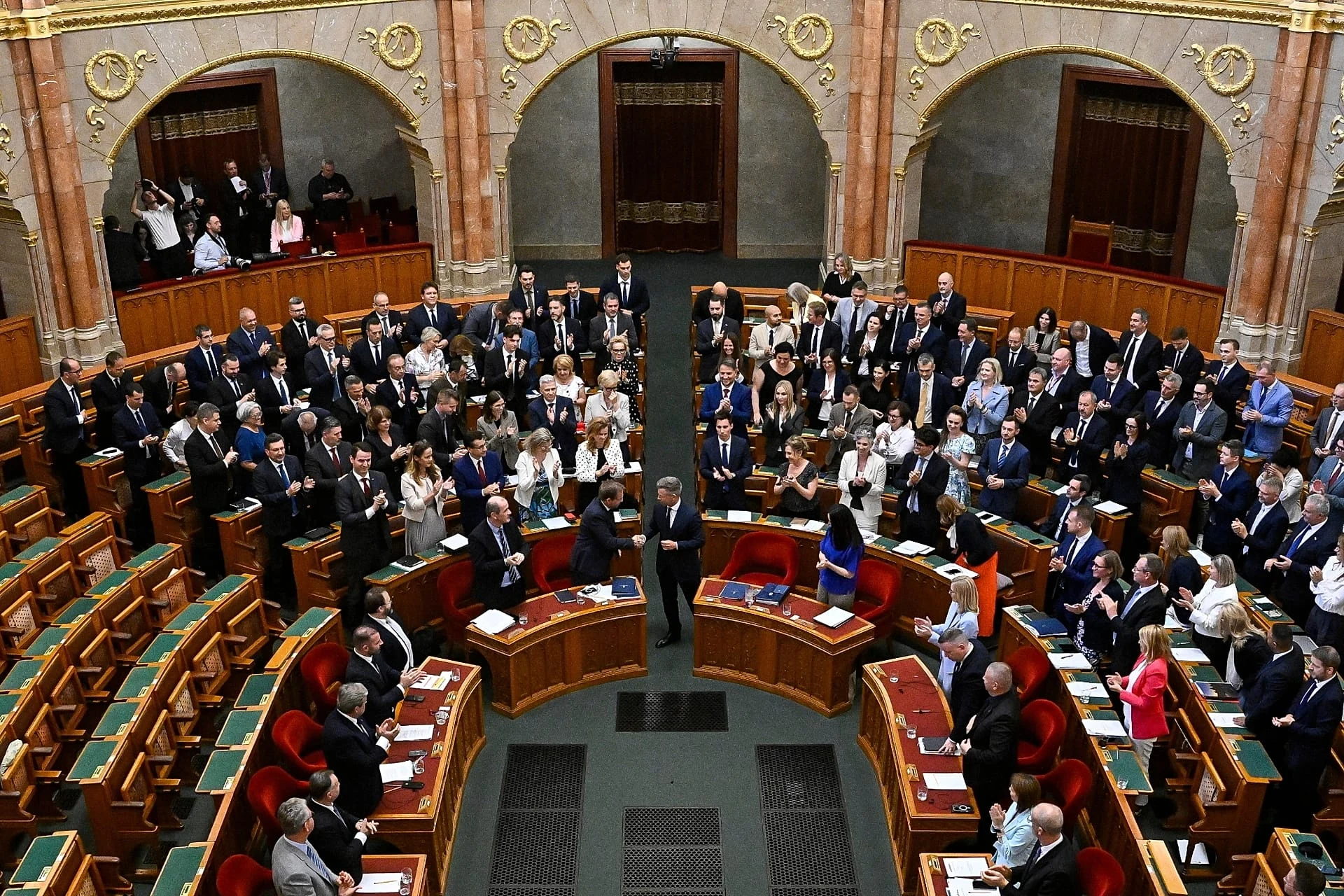
- Hungary's parliament adopted amendments: 139 in favour, 51 against — bans on the 'depiction' and 'promotion' of sexual and gender diversity for minors were repealed.
- The first significant change to Orbán's LGBTQ+ policy after Péter Magyar's election victory in April; Fidesz called the amendments a 'neutralisation' of the law under EU pressure.
- Human rights advocates welcome the step but point to remaining restrictions: legal recognition of transgender people, adoption by same-sex couples, and restrictions under the Freedom of Assembly Act.
Parliament repeals key provisions of the 2021 law
On Tuesday, Hungarian lawmakers voted to remove anti-LGBTQ+ provisions from the 2021 'child protection' law adopted under former nationalist leader Viktor Orbán. The amendments were supported by 139 deputies, while 51 voted against. This is the first significant rollback of restrictions on the LGBTQ+ community since pro-European Prime Minister Péter Magyar came to power in May. Instead of banning the 'depiction' or 'promotion' of sexual and gender diversity in content accessible to children, the new law will protect minors only from material capable of 'seriously harming the physical, intellectual, emotional or moral development of a child'.
Position of the government and the opposition
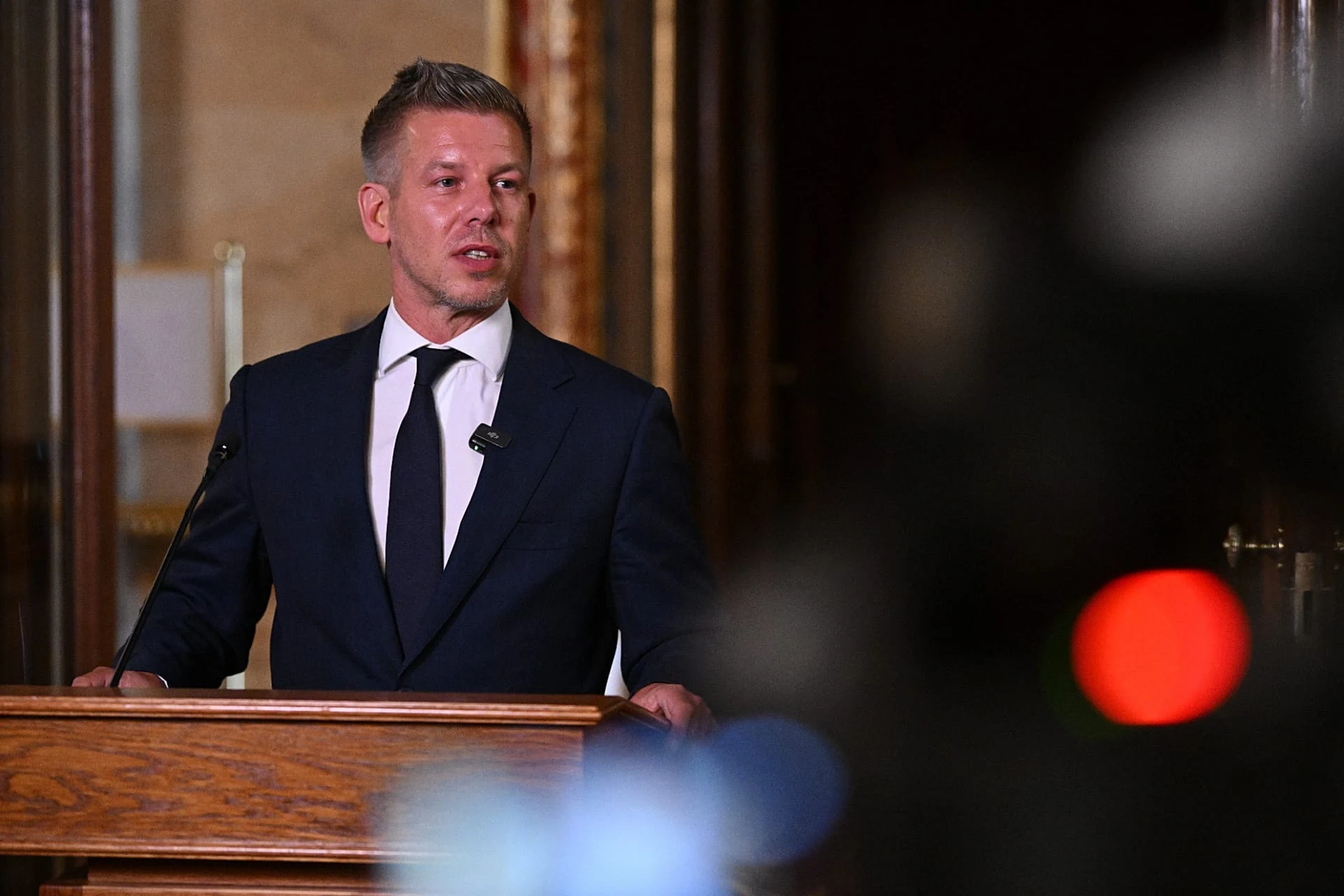
Magyar won a resounding victory in the April elections, ending Orbán's 16 years in power, during which Hungary pursued one of the most restrictive policies in Europe regarding LGBTQ+ rights. The prime minister said the changes would bring Hungary into line with EU standards after Orbán's restrictions were found to violate the bloc's values. During the election campaign he did not touch on the topic of LGBTQ+ rights, but after his victory he signalled a willingness to revise some policies of the Orbán era. On the eve of the vote, Magyar presented the changes not as a restoration of rights but as a strengthening of child protection norms 'regardless of sexual orientation'. Orbán's Fidesz party voted against, accusing the government of 'neutralising' the original law under EU pressure. However, the ruling Tisza party has a comfortable two-thirds majority, which allowed the bill to pass without opposition support.
EU reaction and background of the law
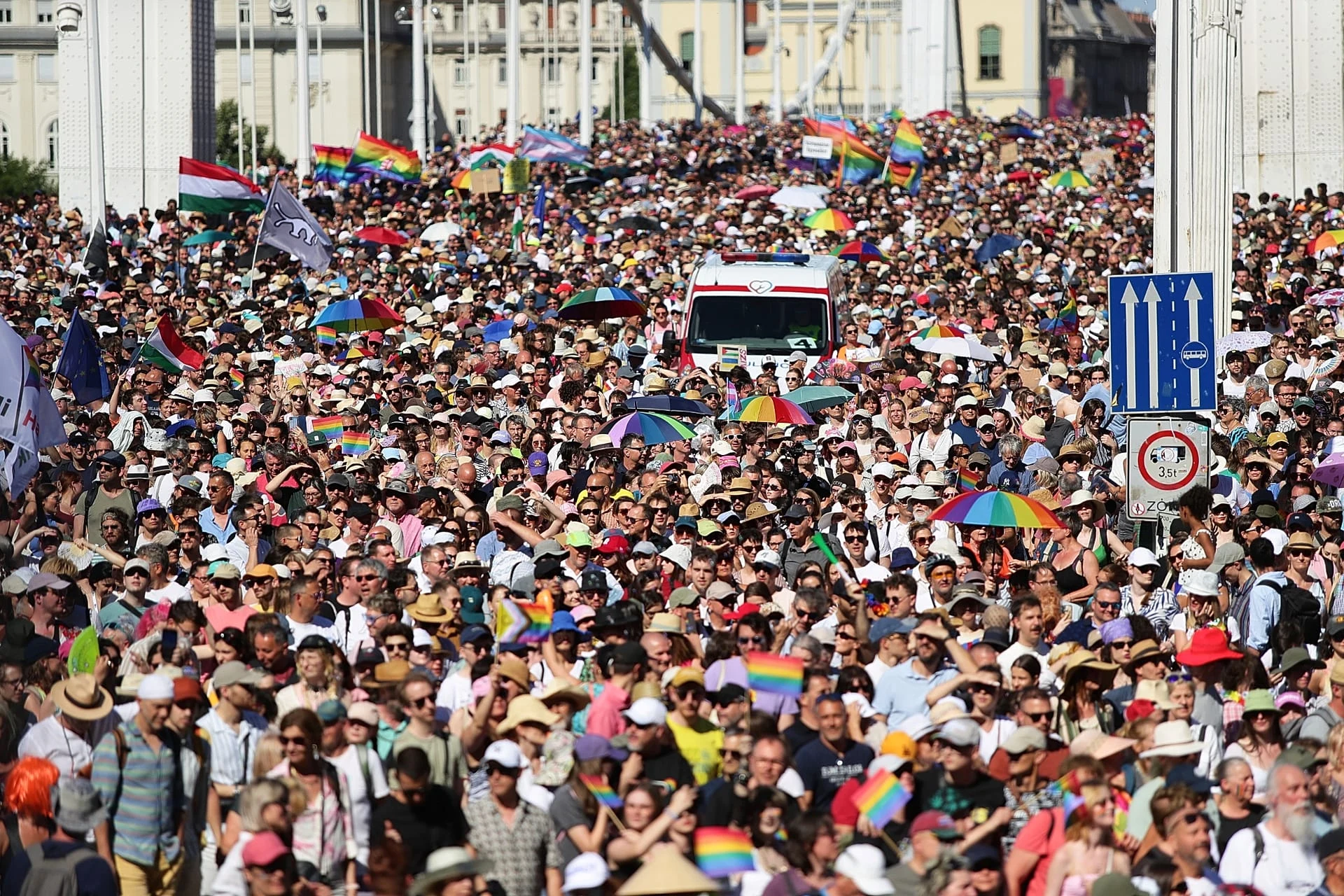
The European Union welcomed the vote, calling it an 'important signal' of commitment to the bloc's values. 'We welcome this important signal of commitment to our shared values,' EU commissioners Michael McGrath and Hadja Lahbib said in a joint statement. Orbán's government gradually rolled back LGBTQ+ rights under the slogan of 'protecting children': since 2020, legal recognition of the gender identity of transgender people has been banned. The 2021 bill, formally aimed at combating paedophilia, also banned the 'promotion' of homosexuality and gender change for persons under 18. This provoked outrage from activists and EU leaders, who criticised the law for stigmatising LGBTQ+ people and equating same-sex relationships with paedophilia. Last year, annual Pride marches were banned on the basis of this legislation. In April, the EU Court ruled that the 2021 law violates the bloc's 'very identity'.
Human rights advocates: 'much remains to be done'
Tamás Dombos of the human rights organisation Háttér Society told AFP that lifting the restrictions on access to LGBTQ+ content is 'definitely an important and positive step forward'. According to him, the changes remove the 'homophobic and transphobic provisions' in line with the EU Court's ruling. At the same time, he stressed: 'Much remains to be done. Even if the government's sole aim is to restore the legal status quo that existed before 2020, there are many laws that need to be changed... and we do not know whether the government is working on this.' This concerns, in particular, laws that impede the legal recognition of transgender people and the adoption of children by same-sex couples. Human Rights Watch previously noted that 'other discriminatory provisions' of Hungarian legislation remain untouched: the bill does not address the discriminatory wording in the Fundamental Law (Hungary's constitution) or the restrictions of the Freedom of Assembly Act, which were used to ban Pride and other LGBTQ+-related assemblies.