The key facts
- The European Parliament approved a non-binding resolution to add the Houthis to the EU terrorist list
- MEPs condemned attacks on Saudi Arabia, the Bab el-Mandeb blockade and Iran's role
- The final decision requires unanimity among the EU's 27 member states
European Parliament resolution
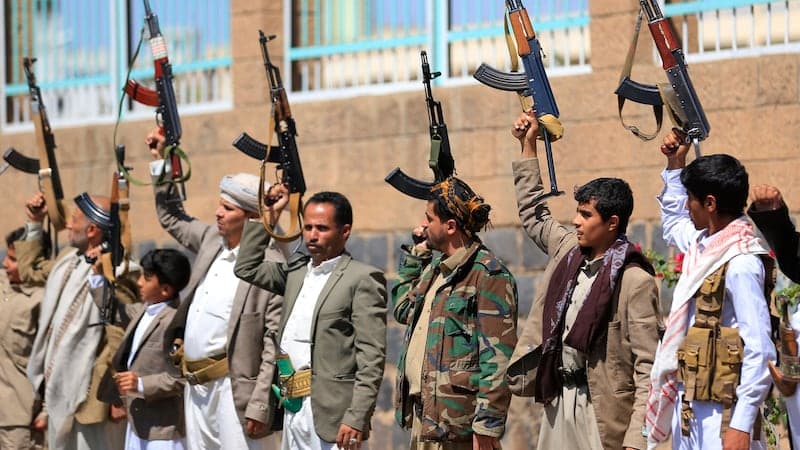
On 22 October 2026, the European Parliament approved a resolution calling for Yemen's Houthis (formally Ansar Allah) to be added to the EU list of terrorist organisations. The non-binding text was adopted by an overwhelming majority of MEPs in a show-of-hands vote after several weeks of negotiations. Listing entails mainly financial restrictions: the freezing of bank accounts and assets in EU countries and a ban on EU citizens and companies financing the listed group. The final decision rests with the member states, which must approve any new listing unanimously.
MEPs' rationale
MEPs condemned the Houthis' 'unprecedented missile and drone attacks' on Saudi Arabia, their maritime blockade and their offensive in Yemen, calling these actions a gross violation of international law and international humanitarian law. In their assessment, numerous Yemeni civilians have been killed and displaced, and the humanitarian crisis in the country has deepened. The resolution also condemns Iran's support for the Houthis and calls for the disarmament of all Tehran-backed groups in the Middle East, including Hezbollah in Lebanon.
Context of the conflict
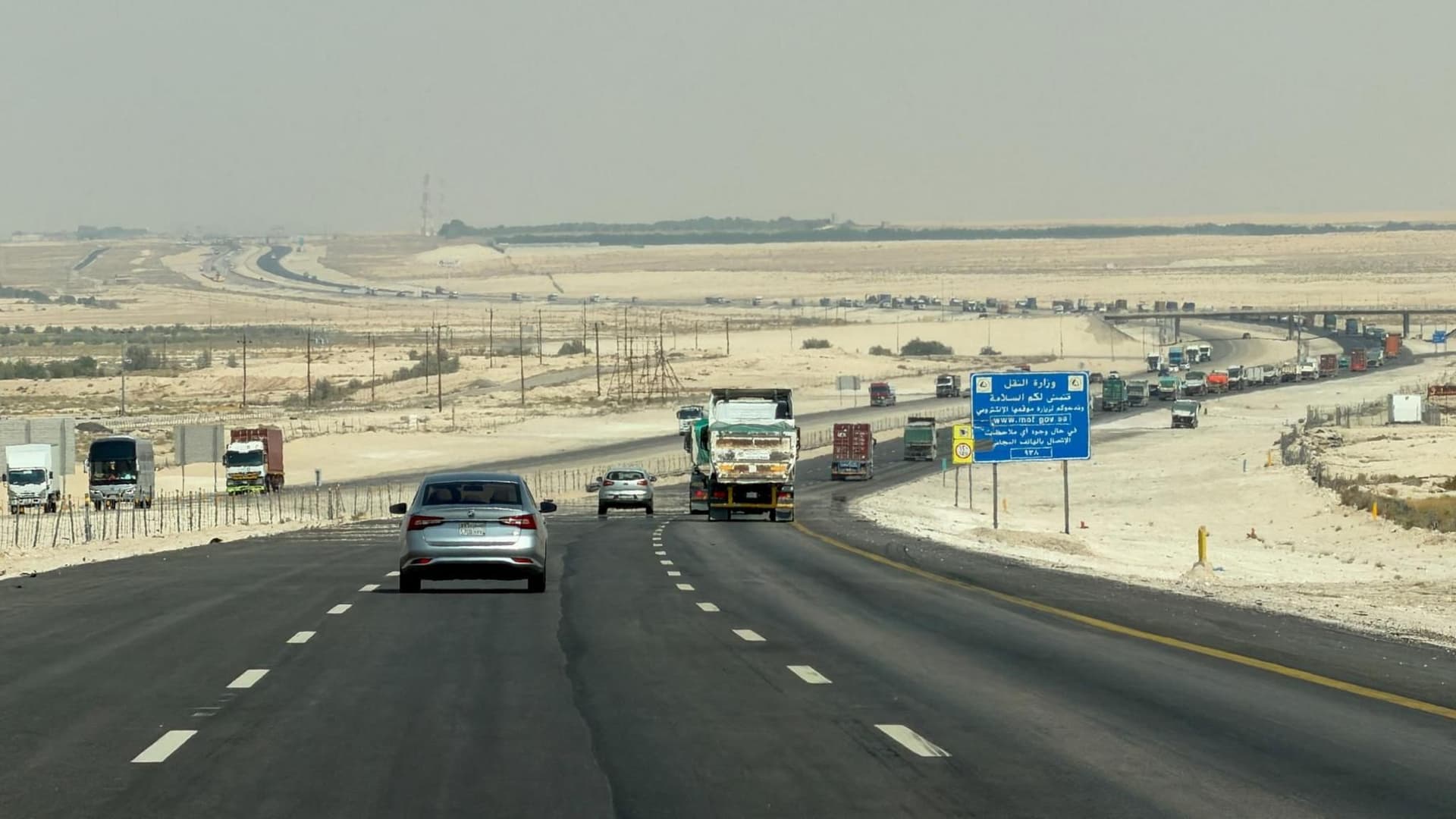
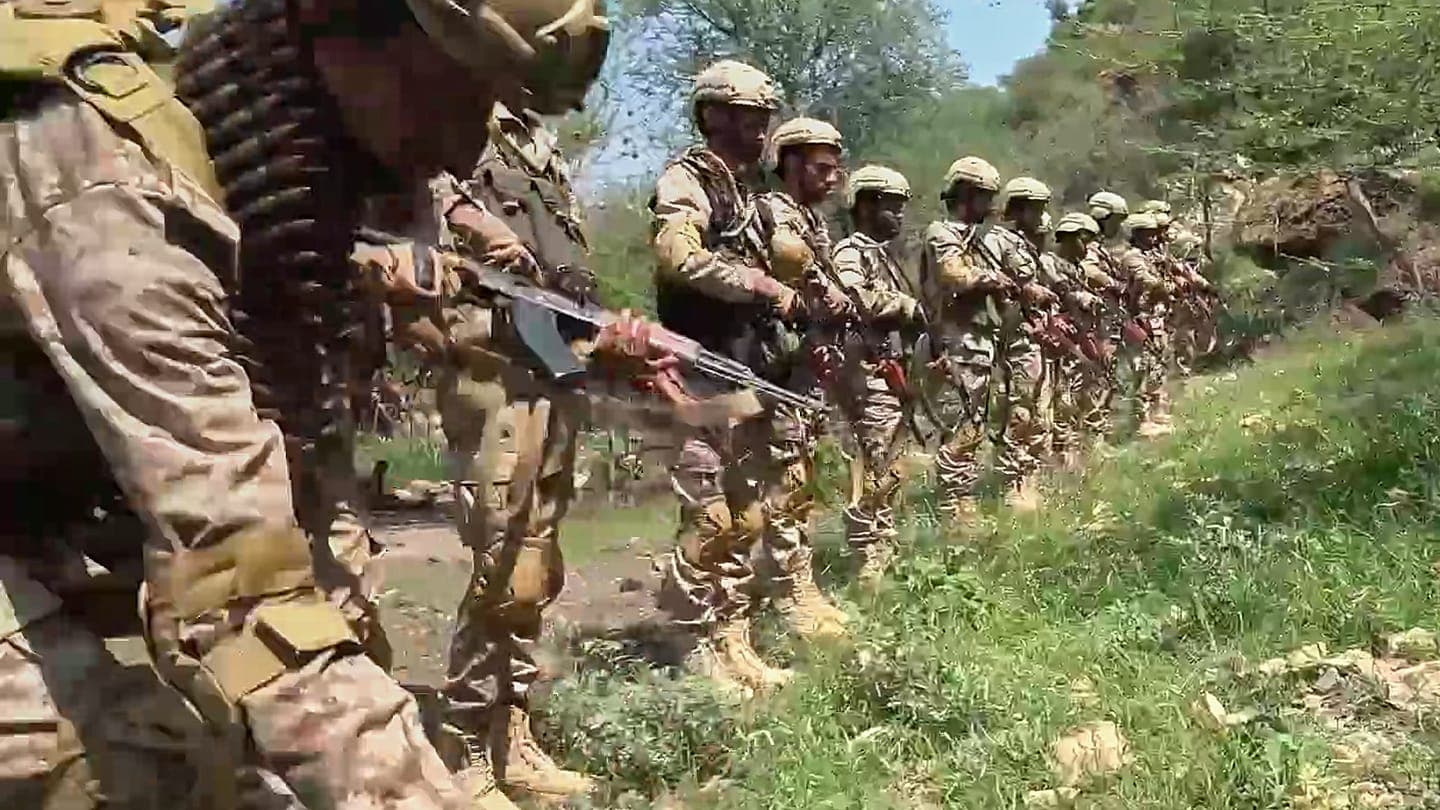
The Houthis have been at war with Yemen's internationally recognised government since 2014. In July, the group launched an offensive along the Red Sea coast, seeking to take control of the Bab el-Mandeb strait, which is crucial for global energy and cargo shipping. A counter-offensive by the Saudi Arabia-led coalition recaptured most of the lost positions, but the group still threatens ships passing through the strait. The Houthis have promised safe passage to all vessels except those linked to Saudi Arabia, while continuing attacks on the kingdom's energy infrastructure and airports. According to sources, the escalation of attacks prompted the United Kingdom to pledge defensive missions to protect Riyadh.
MEPs' views and the EU's top diplomat
The resolution's lead negotiator, Hana Jalloul (Socialists and Democrats group), declared 'full solidarity with the people of Yemen and the Gulf countries' and wrote 'We did it!' on X after the document was adopted. She called for broader sanctions, political and financial support for victims, and noted that the Bab el-Mandeb blockade, together with the closure of the Strait of Hormuz, had disrupted global food supplies. European People's Party MEP Antonio López-Istúriz White said that 'Europe's credibility is at stake' and that the Houthis 'must be on the European terrorist list now'. The EU's foreign policy chief, Kaja Kallas, agreed that the Houthis 'are not acting alone': they are financed, equipped and trained in Iran, and 'the scenario is exactly the same'. She expressed regret that the Houthi attacks had forced the postponement of the summit of EU leaders and the Gulf Cooperation Council, planned for this month in Riyadh, and stressed that about one fifth of EU trade passes through the Red Sea.
The Aspides maritime mission
MEPs highlighted the key role of the EU's Aspides mission in the Red Sea and called on member states to provide additional naval and air forces. The mission currently has three ships from Italy and Greece, with two more promised by Belgium and the Netherlands. According to Kaja Kallas, at least ten ships are needed to protect commercial vessels from possible attacks.
Related parliamentary initiatives
The position on the Houthis came a few weeks after the European Parliament called on the European Commission to take tougher measures against the 'Muslim Brotherhood'. In a 10-page resolution, the commission was asked to present a full review of all EU funds directed to organisations with alleged links to the movement. A commission spokesperson confirmed receipt of the resolution and promised to respond in due course, noting that the EU is committed to preventing the use of public money to promote extremism and terrorism and has a 'robust legal framework' to protect the bloc's financial interests.