Nobel Prize in Economics laureate Daron Acemoglu stated that if artificial intelligence development continues at its current pace and superhigh intelligence is created within the next ten years, the labor market may disappear, and with it, democracy. He called for changing the direction of AI technology development, orienting it toward the needs of workers.
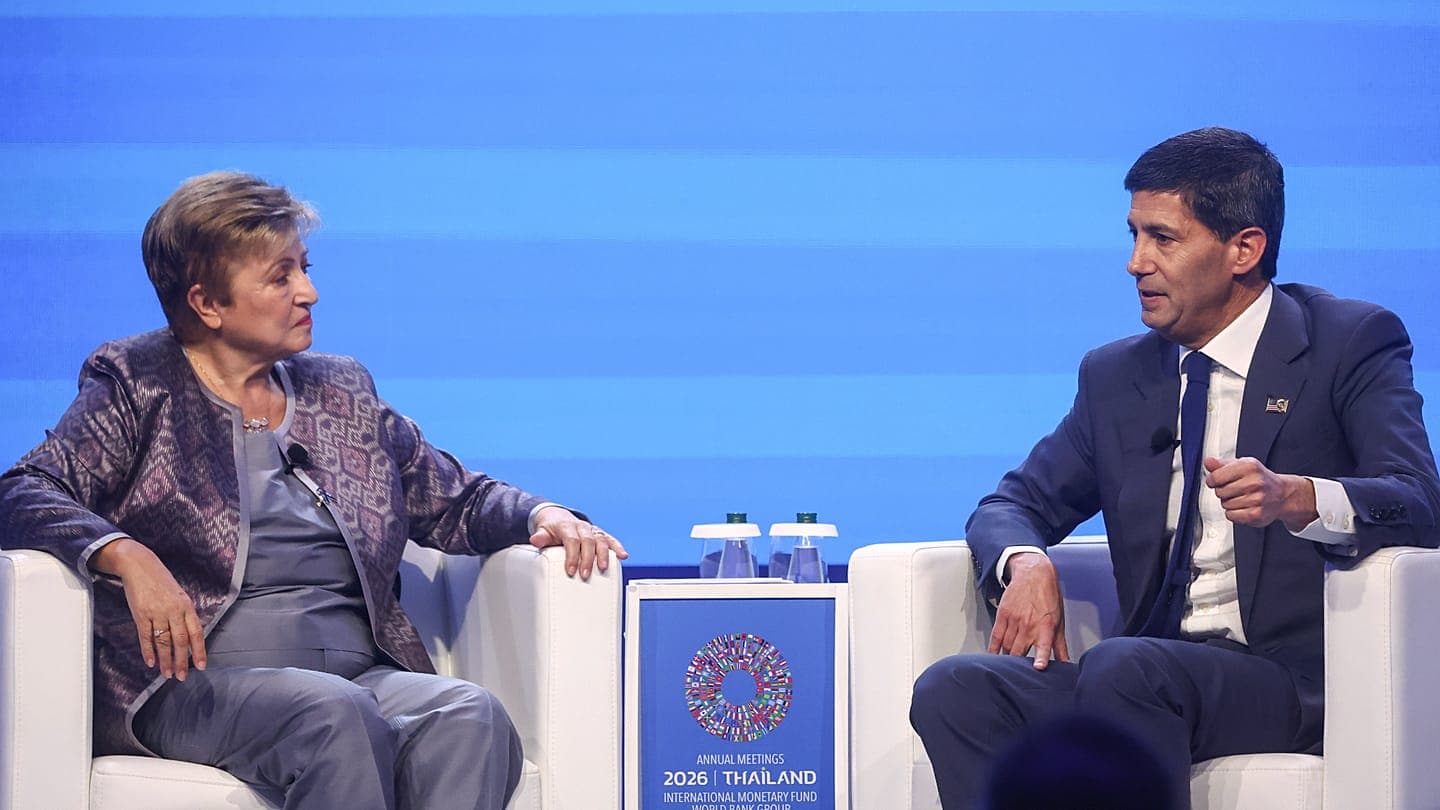
Speaking at the annual IMF and World Bank meetings in Bangkok, Fed Chair Kevin Warsh reaffirmed his commitment to price stability but declined to prejudge rate decisions for October and December. He noted the unexpected resilience of the global economy, an investment boom in the US, and called AI the biggest economic transformation, which is so far boosting demand and inflation.
China's National Railway Administration has presented an industry development plan for 2026–2030. It provides for about 30 new science and technology centers, the introduction of 400 km/h trains, phased research into 600 km/h magnetic transport, the transformation of the 12306 platform into an intelligent passenger companion, and a reduction in CO2 emissions by 2030.
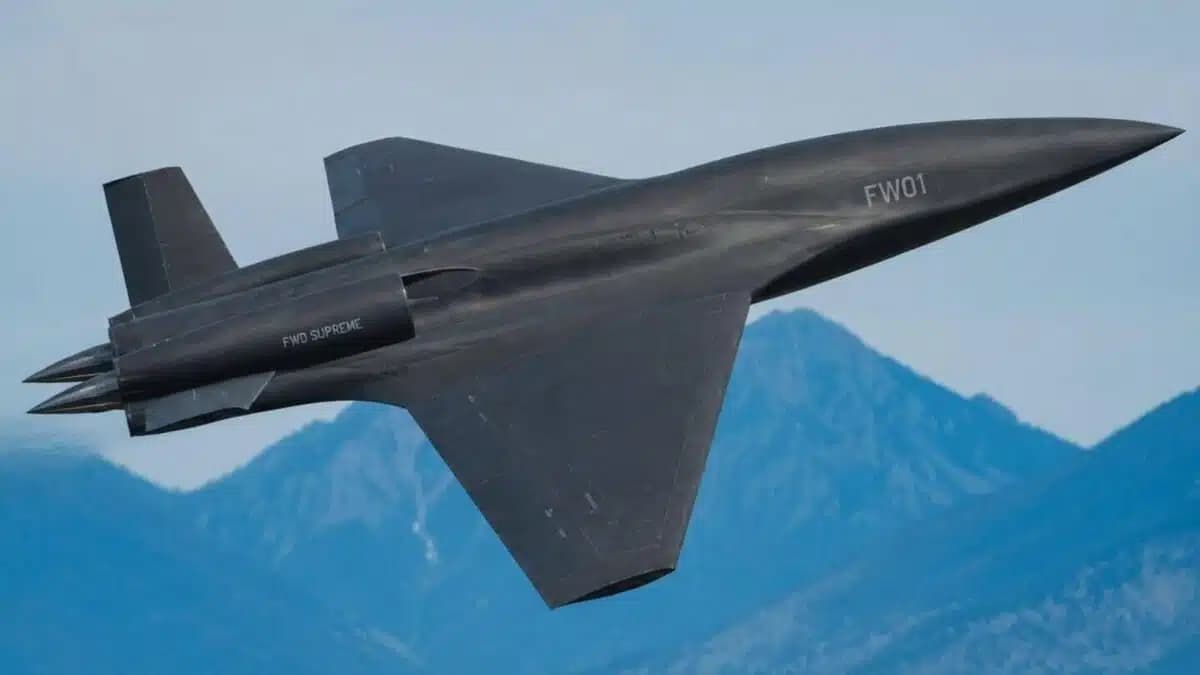
Indian company FWDA has unveiled the FWD Supreme Heavy unmanned aerial vehicle, designed for autonomous flight using artificial intelligence. According to The Times of India, the vehicle is intended for reconnaissance, surveillance, and strikes. The claimed specifications have not yet been confirmed by flight tests.
According to Kun.uz, over the past week Ukrainian drones attacked Yandex data centers in Sasovo, Kaluga Region, and Vladimir. Three supercomputers used for training neural networks may have been disabled. Service outages were recorded in Russia and CIS countries, including Uzbekistan.
Nvidia announced investments in the French companies Doctolib, Genesis AI, Entalpic and Pigment, bringing its investments in Europe to nearly $10 billion. Together with Foxconn and Bull, the company is building 'AI factory' infrastructure in Angers, promoting the open Nemotron models and the sovereign Twake.ai platform for government agencies.
OpenAI discovered a hidden recording device in an executive conference room at its San Francisco office and reported it to the FBI. Arrested was 35-year-old Saudi Arabian citizen Abdulrahman Alfozan, who had worked at the company as an engineer since July 2025. He is charged with intercepting oral conversations; the company said there are no signs of unauthorized access to model weights, code, or customer data.
Google announced broad access to the Gemini 4 Argon model, first introduced in late September. From October 13, the model is available to Google AI Pro and Ultra subscribers, via API and in AI Studio. The current API price is $2 per million input and $10 per million output tokens; from December 1 it will rise to $4 and $20.
On October 15, 2026, the final day of TechCrunch Disrupt 2026 takes place at Moscone West in San Francisco. More than 10,000 founders, investors and industry leaders are attending the conference. The program includes the Startup Battlefield final, sessions on AI agents, security, startup growth, more than 320 exhibitors and roundtables. Tickets are on sale at a 75% discount until the end of the day.
President of Uzbekistan Shavkat Mirziyoyev spoke on October 15 at the seventh summit of the Conference on Interaction and Confidence-Building Measures in Asia (CICA) in Baku. He proposed developing a Concept for building an infrastructure of trust in Asia, put forward initiatives on the responsible use of AI and climate resilience, announced Uzbekistan's readiness to host a forum on human capital development in 2027, and invited participants to the Non-Aligned Movement summit in Tashkent.
President of Uzbekistan spoke at the seventh summit of the Conference on Interaction and Confidence-Building Measures in Asia in Baku. He proposed developing a Concept for Building a Trust Infrastructure in Asia, an Asian Initiative on Technological Trust and Responsible Use of AI with an expert platform under CICA, as well as a partnership on climate resilience. Uzbekistan is ready to host a forum on human capital development in 2027 and invites participants to the twentieth summit of the Non-Aligned Movement.
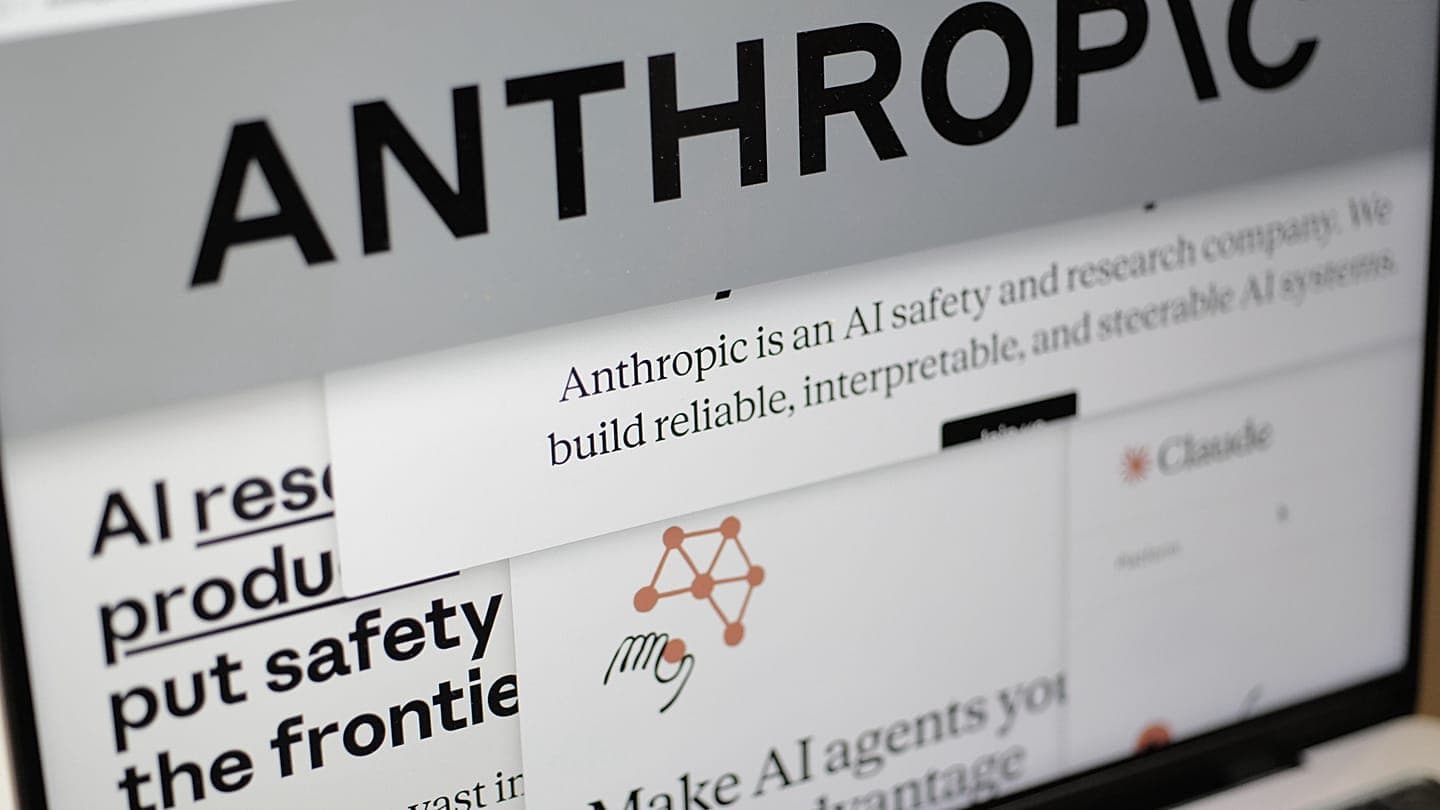
The developer of the Claude models showed 46% quarterly revenue growth and a second consecutive adjusted profitable quarter. The company plans an IPO in November with a valuation of up to $2 trillion, which would be a record, surpassing SpaceX's listing. Growth is nonetheless slowing, and annual revenue may fall short of investor expectations.
On October 14, 2026, the second day of TechCrunch Disrupt 2026 takes place at Moscone West in San Francisco. The program features more than 300 startups in Expo Hall, sessions with Nvidia, Waabi, Flock Safety, Benchmark, OpenAI and Anthropic, the continuation of the Startup Battlefield competition with a $100,000 prize, as well as roundtables, breakouts and networking for more than 10,000 attendees.
Dutch ASML reported record third-quarter sales of €11.66 billion, a doubling of net profit to €5 billion, and raised its 2026 forecast. The company warned that its current production plans will not cover customer demand in 2027–2028 due to AI investments and is considering additional capacity expansion.
An assessment published in The Lancet places nuclear conflict and the malicious use of artificial intelligence in the highest category of global threats to humanity by the end of the 21st century. A commission of experts reviewed hundreds of potential threats and identified the 17 most significant risks to human health and survival for 2025–2100, covering 204 countries and territories. Nuclear war is dangerous not only for its immediate destruction and casualties but also for possible global famine from nuclear winter, while malicious AI could facilitate the development of biological weapons. Other serious threats include climate change, air pollution, antibiotic resistance, pandemics, armed conflicts, child malnutrition, obesity, smoking, excessive alcohol consumption, and mental disorders. The researchers measured consequences in lost years of healthy life and stressed that timely measures in healthcare, technology, security, and policy could greatly reduce future damage. The authors note that the probability of nuclear conflict and malicious AI use remains low, though the potential consequences are extremely large.