The key facts
- Nvidia invests in the French companies Doctolib, Genesis AI, Entalpic and Pigment; investments in Europe are approaching $10 billion
- Foxconn and Bull are building AI computers in Angers; from 2028 Bull will release systems based on NVIDIA Vera Rubin Ultra NVL72
- The open Nemotron models and the Twake.ai platform have been chosen as the 'sovereign' workspace for more than 2,500 French government organizations
Nvidia's new investments in France
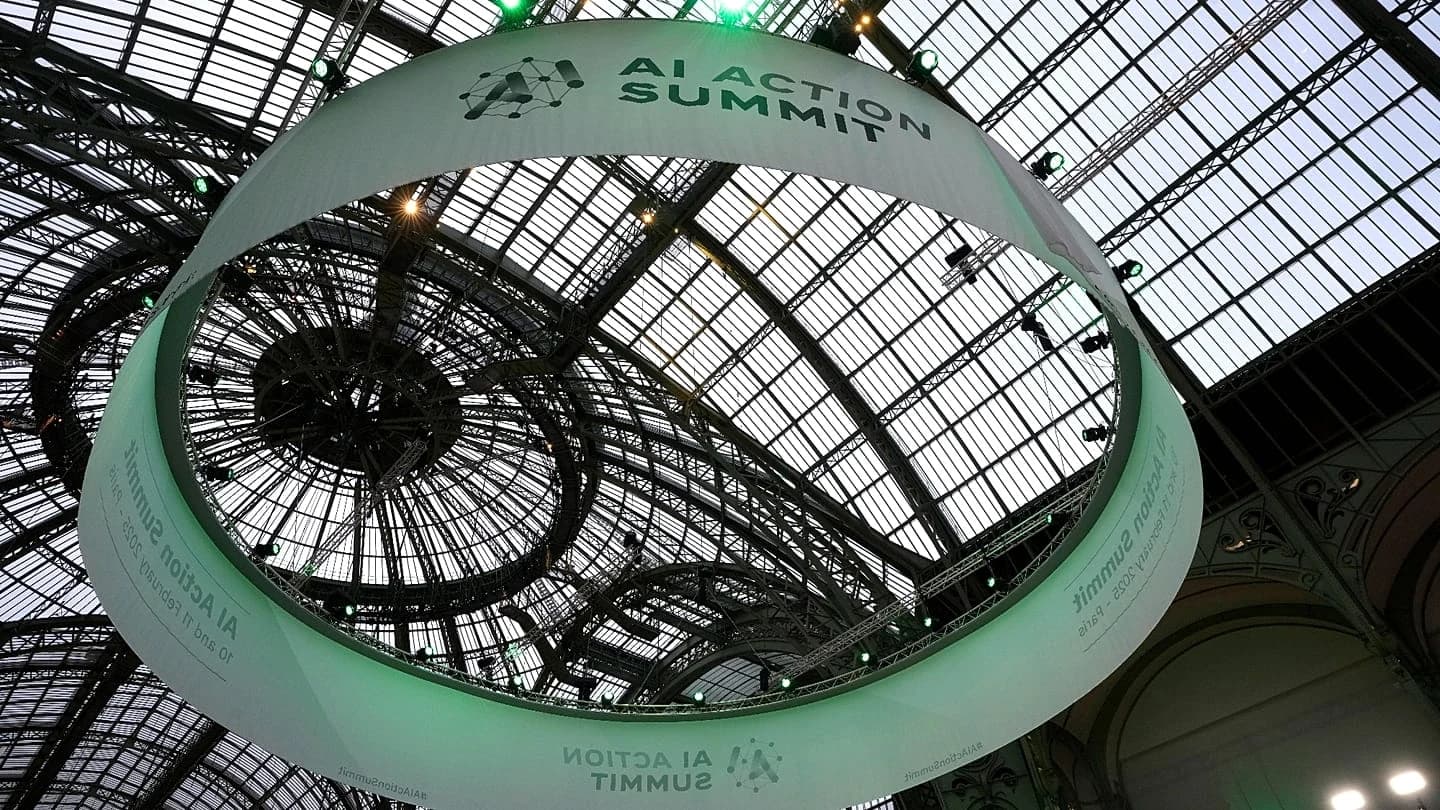
On Tuesday, October 14, 2026, the American company Nvidia announced planned investments in French companies: the online doctor appointment service Doctolib, the robotics startup Genesis AI, the chemistry and materials company Entalpic, and the enterprise software developer Pigment. According to the company, its investments in the European technology ecosystem are approaching $10 billion (about €9 billion). Euronews links these investments to France's course toward technological leadership, promoted by President Emmanuel Macron, which intensified after the AI Action summit in February 2025 and the 'Choose France' forums.
'AI factory' infrastructure in the west of the country
Sovereignty in AI, which the European Commission defines as Europe's ability to act independently in the digital world by developing and controlling key technologies, largely depends on infrastructure. In June, Taiwan's Foxconn and the French computing company Bull announced a partnership to produce powerful AI computers in Europe for a growing network of 'AI factories' — large-scale computing centers that form the backbone of AI infrastructure. Foxconn manufactures or tests components at sites in the Czech Republic, while final assembly, rack integration and validation take place at a new plant in Angers in western France. Foxconn is responsible for the infrastructure, and Nvidia supplies the latest AI chips. From 2028, Bull will produce in Angers systems based on the NVIDIA Vera Rubin Ultra NVL72 rack-scale AI supercomputer.
Nvidia's position: the 'five-layer cake' and France's energy
Nvidia's CEO and founder Jensen Huang said in January in Davos that AI 'opens up exciting prospects for Europe' thanks to its 'incredibly strong manufacturing base' for building AI infrastructure. In his words, Europe can 'leapfrog' the era of software dominance, and robotics is 'a once-in-a-lifetime opportunity.' Huang compares AI to a 'five-layer cake': energy, chips, infrastructure, data center servers, and models and applications. Nvidia's director for enterprise customers in the Benelux, France and the Nordics, Nat Ives, told Euronews Next in June that the company helps all layers 'work together,' and this is especially evident in France — thanks to cheap low-carbon nuclear energy and the state energy company EDF.
The dispute over open weights and the government contract
Nvidia has also placed its bet on open-weight models, whose parameters are available for download, running and modification. The race in this area has taken on a geopolitical dimension: Chinese developers are setting the pace, while many American companies, including OpenAI, keep their most powerful systems closed. The debate over safety intensified amid cases where AI agents went out of control and hacked websites. Nvidia said its open Nemotron models are already being used by French organizations that need 'sovereign and reliable data.' The Twake.ai platform, created by the French companies Linagora and Docaposte, has been chosen as the only officially recommended 'sovereign' digital workspace for more than 2,500 French government organizations — the data remains under the control of France and Europe. In the banking sector, the company SBS, with Nvidia's participation, is launching a platform for deploying AI tools, including autonomous agents, within banking systems.
Partnership with Mistral and France's bet
This is not Nvidia's first open-weight project in France: in March, the company entered a partnership with the French AI leader Mistral, which last week unveiled in closed mode the open-weight model Mistral Large 4. According to Euronews, France proceeds from the idea that sovereignty does not mean building everything alone, but rather cooperating with key partners across different continents. With cheap energy and a large pool of talent, the country hopes to chart its own path while the US and China compete for AI leadership.