The key facts
- The plan of China's National Railway Administration covers 2026–2030 and combines infrastructure, digitalization, safety and emission reduction.
- Targets: about 30 innovation centers, at least 100 breakthroughs in key technologies, no fewer than 500 significant scientific and technical results, 20 demonstration solutions, including an operating system for 400 km/h trains.
- The 12306 platform is to be transformed from a ticket sales website into an intelligent system accompanying the passenger throughout the entire journey.
A Five-Year Plan
China's National Railway Administration has published a document covering 2026–2030. According to Global Times, the plan combines infrastructure construction, new technical equipment, digitalization, safety and waste reduction. Over five years, the industry plans to create about 30 new science and technology innovation centers, achieve progress on at least 100 important technologies, and deliver no fewer than 500 significant scientific and technical results.
Trains at 400 and 600 km/h
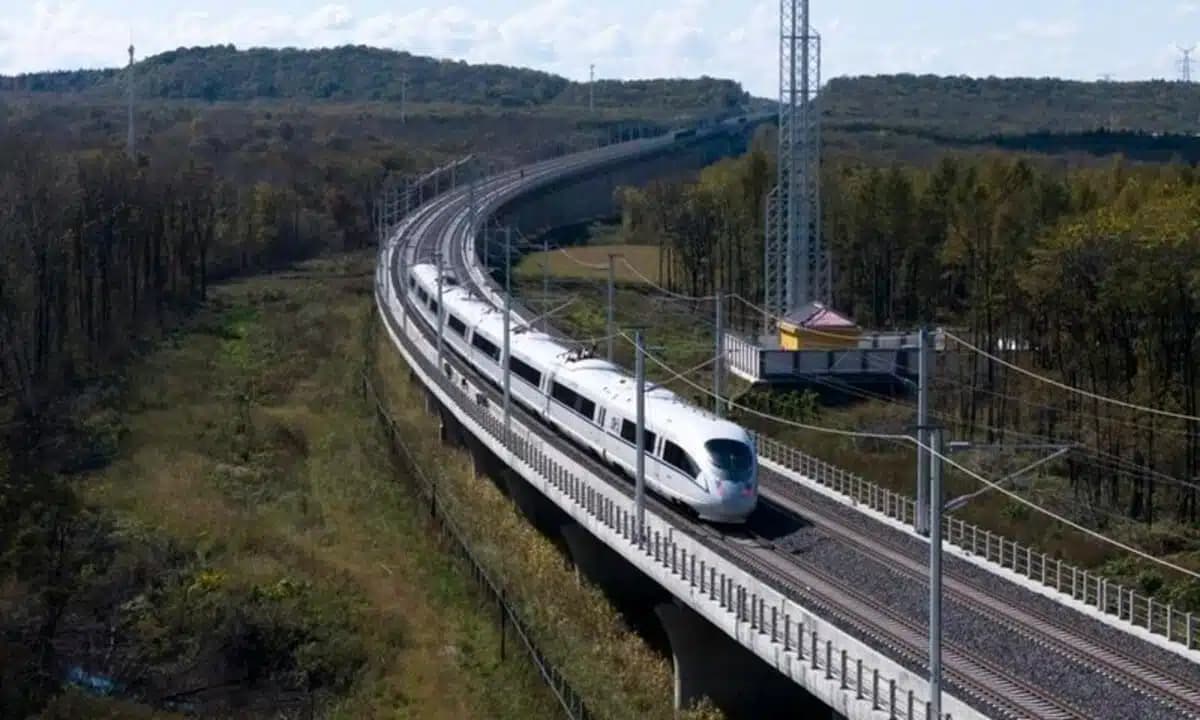
Among at least 20 exemplary solutions or demonstration projects for the practical application of technologies is a system for operating high-speed trains designed for speeds of 400 km/h. Maglev trains designed for 600 km/h are at the stage of phased research: the key technologies needed for their production in China are to be tested.
Digitalization and 'Smart' Tickets
The official ticket sales platform 12306 will be transformed: it is planned to turn it from a website for buying tickets into an intelligent system that accompanies the passenger throughout the entire journey. The platform is expected to offer travel options combining different modes of transport and better account for individual needs. For the industry, large language models, datasets and computing infrastructure will also be developed: the plan is to create at least 20 high-quality industry datasets and implement more than 20 exemplary artificial intelligence application scenarios.
Environment
In the environmental area, demonstration operation of low-consumption diesel locomotives is planned, as well as rolling stock combining battery and hydrogen power sources. The goal is to bring carbon dioxide emissions from railway transport to their peak level by 2030, creating conditions for a subsequent reduction.