← Authors
Madina Usmonova
tafs uz · Science

Madina Usmonova

Madina Usmonova — tafs uz coverage of science. News, key facts and context in English, Uzbek and Russian.

Editorial pseudonym. These names are tafs uz editorial pseudonyms. Portraits are illustrations; profiles identify the publication’s topic bylines rather than individual journalists’ biographies. The tafs uz editorial desk is responsible for the publications.

Publisher · tafs uz →
News

Articles by this author

64 stories

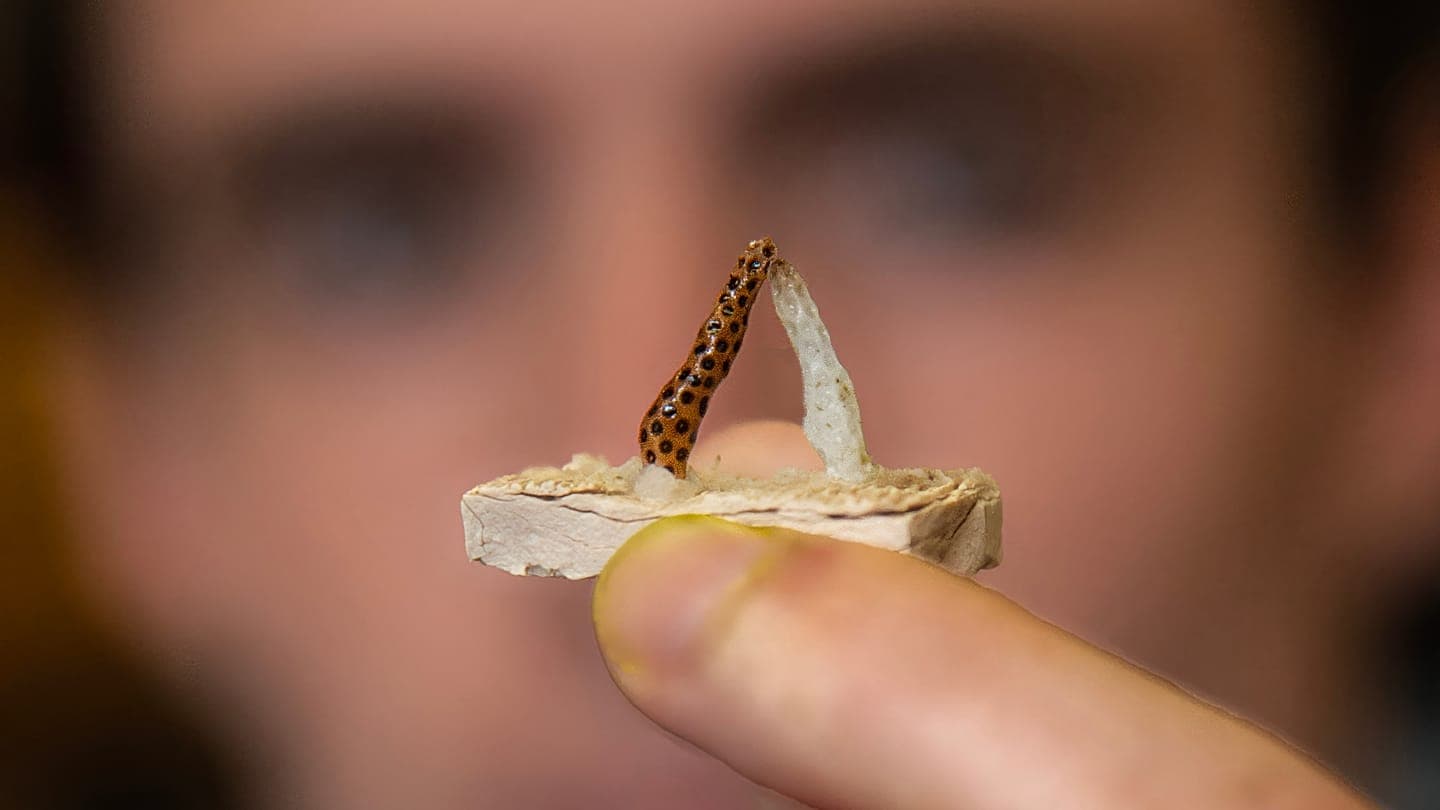
Stanford scientists accidentally discover a way to rapidly revive bleached corals

A study published in Science Advances showed that if a bleached coral is kept in contact for several days with a healthy, genetically identical fragment of the same colony, beneficial algae transfer to it through fused tissues, and it recovers in less than two months. The method is not yet applicable in the ocean because it requires 'twins,' but scientists are looking for a way to deliver the algae differently.

3 min read

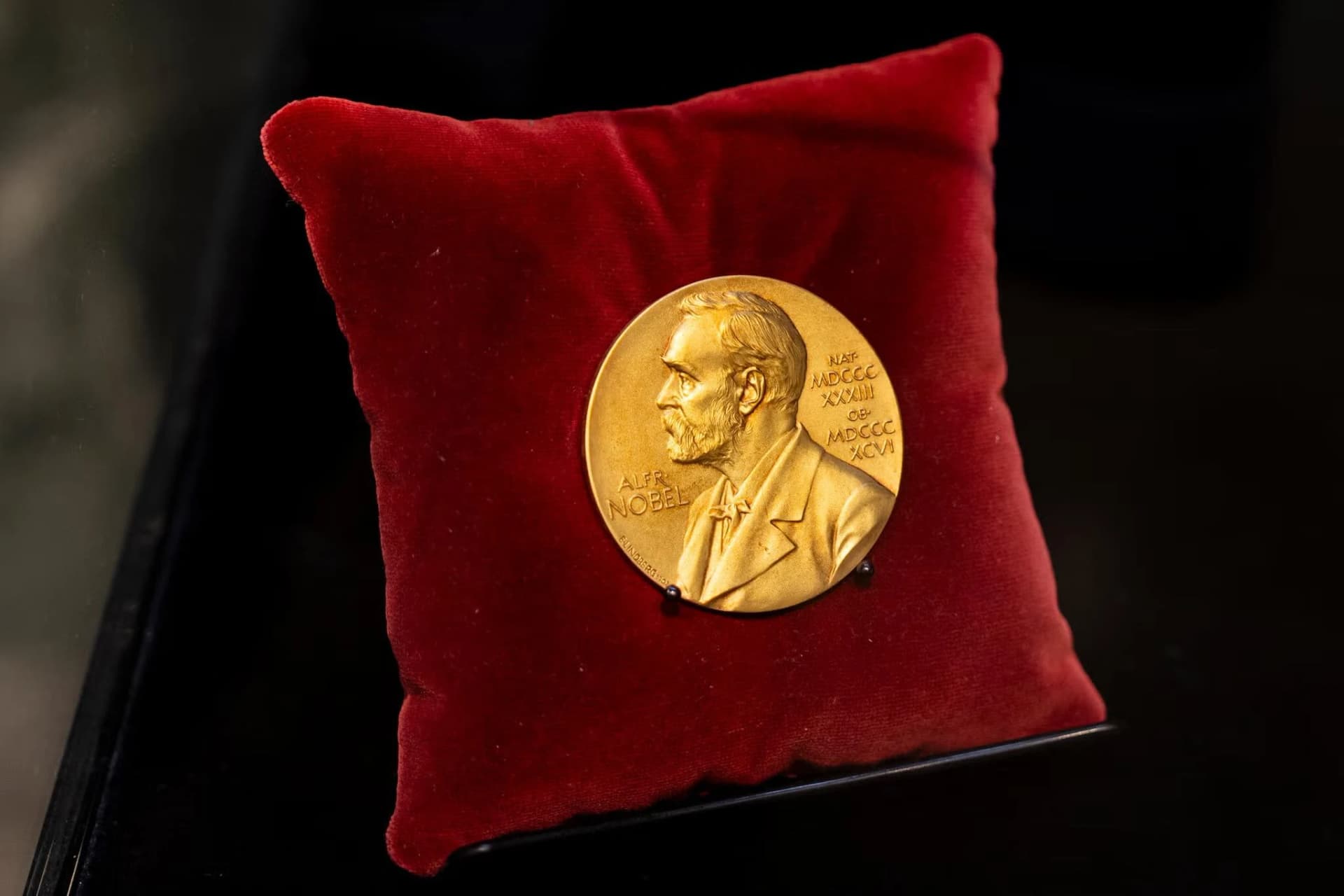
Nobel Prize 2026 Laureates Announced

The 2026 Nobel Prize laureates were announced from October 5 to 12. On October 5, the Physiology or Medicine Prize was awarded for work on optogenetics and light-gated ion channels. In honor of the prize's 125th anniversary, the amount of each prize was increased from 11 to 12 million Swedish kronor.

2 min read

2026 studies reignite the debate over embryo gene editing

In the summer of 2026, two studies — by Kathy Niakan's group in Cambridge and Dieter Egli's group at Columbia University — applied base editing to human embryos. The method is considered more precise and safer than classic CRISPR-Cas9, but mosaicism has not been reduced to zero, and ethical questions — the boundary between therapy and enhancement, consent, stigmatization — remain open. No country permits heritable changes.

3 min read

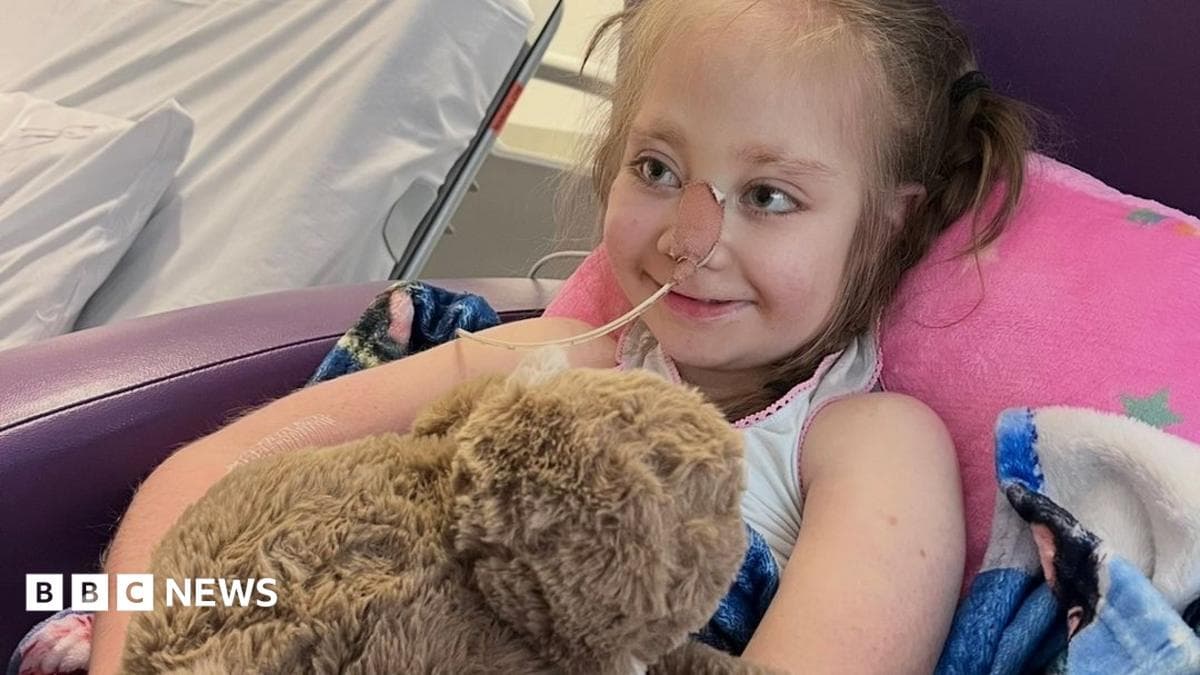
One-day test helps detect hidden and antibiotic-resistant infections in critically ill children

At London's Great Ormond Street Hospital, metagenomic testing was applied to 122 children in intensive care in 2024–2025: it detected about 90% of bacteria and viruses and all fungi, and in a quarter of cases it influenced antibiotic prescribing. The results are published in Lancet Microbe; the method is being rolled out in roughly 30 intensive care units across the UK.

3 min read

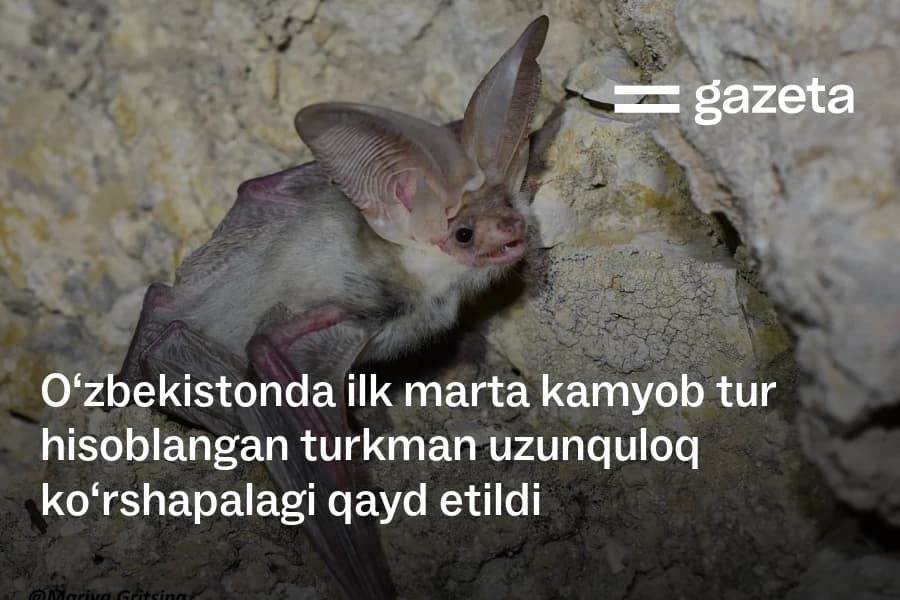
Turkmen long-eared bat recorded in Uzbekistan for the first time

In the South Ustyurt National Nature Park in September, near the border with Turkmenistan, a rare bat species — the Turkmen long-eared bat (Plecotus turkmenicus) — was recorded in Uzbekistan for the first time. Previously, the species was known only from data collected before 1970 and museum specimens. The discovery was made during an expedition under a project of the International Union for Conservation of Nature.

2 min read

American Woman from Georgia Who Speaks 20 Languages Studies in Samarkand

Komila Farriyeva, born and raised in the American state of Georgia, moved to Uzbekistan eight months ago and studies at the Samarkand State Institute of Foreign Languages. According to her, she communicates in 20 languages, 11 of which she knows perfectly, and she learned Uzbek through communication with Afghan Uzbeks in the USA. Her parents initially objected to the move.

2 min read

NASA Shows a 'Piece of the Moon' in Madagascar — the Saribara Massif

NASA has published an image of the Saribara massif in Madagascar, where anorthosites — rocks similar to lunar ones — outcrop at the surface. The photo was taken on August 28, 2026 from the ISS by a member of Expedition 75 and was selected as the 'Picture of the Day' on October 5. The massif has long been studied: in 1998, the crystallization age of the anorthosites was estimated at about 660 million years.

2 min read

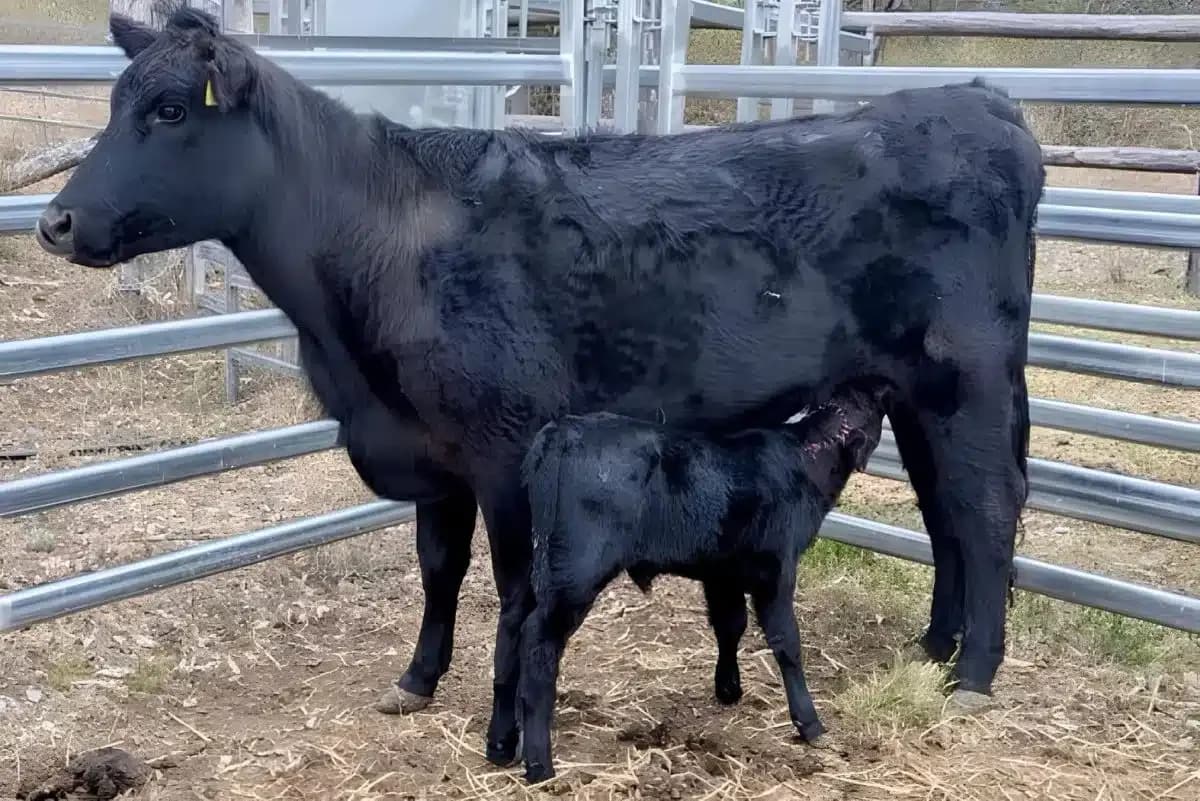
Calf Born in Australia with Legs Growing from Head: Vets Removed Them in One and a Half Hours

In Australia, a calf named Spider was born with extra legs growing from its head. Veterinarian Megan Smith stated that in 20 years of practice, she had never encountered such a case. The surgical removal of the extra limbs took about one and a half hours, after which the calf's condition improved rapidly. The exact cause of the anomaly remains unknown; possible explanations include the phenomenon of a 'parasitic twin,' developmental disorders, and genetic mutations, though none of these theories have been confirmed.

2 min read

Science Corporation implants PRIMA chip in first Stargardt disease patient

Science Corporation reported the first implantation of its vision-restoring PRIMA chip in a patient with Stargardt disease — an inherited eye condition considered incurable. The surgery took place in May as part of trials in Sydney; already at the first rehabilitation sessions the patient was able to see a letter and read a word. CEO Max Hodak, previously a co-founder of Neuralink, announced the development at the TechCrunch Disrupt conference.

3 min read

University of Bristol professor: the main thing in supporting a grieving person is not to turn away

Dr Lesel Dawson of the University of Bristol explained that what matters most when supporting a person in grief is presence itself, not words. She shared her personal experience: the stillbirth of her younger sister and her mother's guilt. A Marie Curie survey showed that 70% of people are comfortable talking about death, but few actually do so.

3 min read

London Zoo breeds critically endangered frog species from Ghana in captivity for the first time

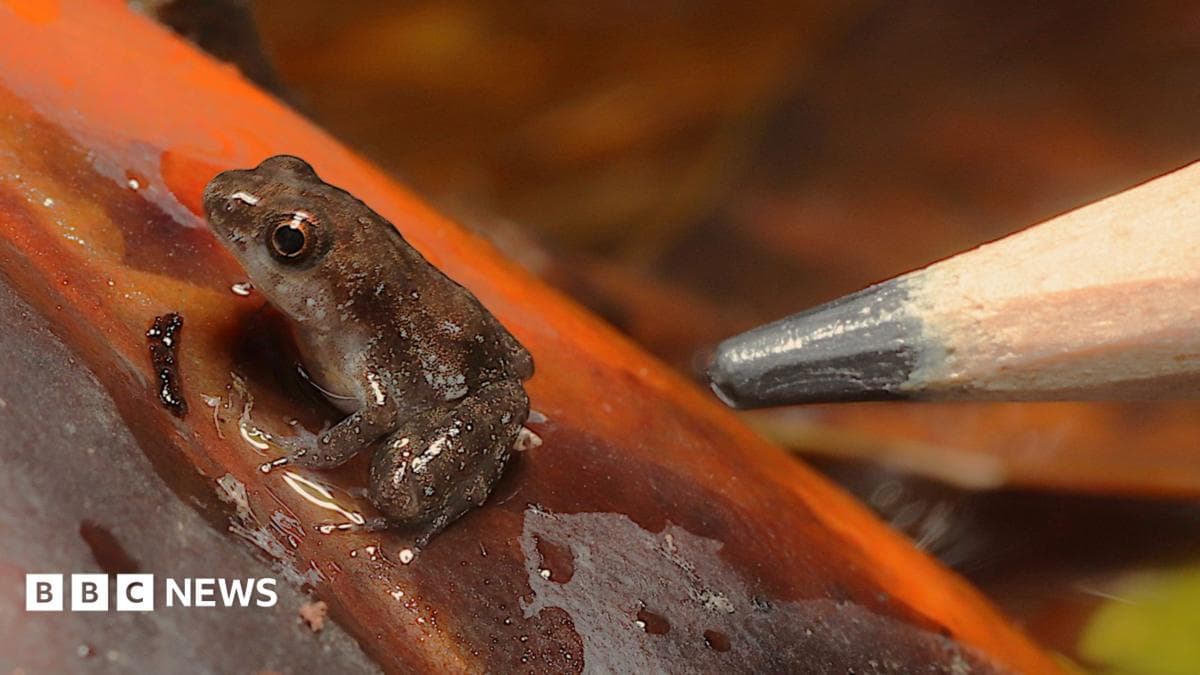
London Zoo has achieved the world's first captive breeding of the critically endangered Afia Birago's puddle frog: 15 froglets measuring about 5 mm have hatched. Twenty adult frogs were brought from Ghana in September 2025 to develop breeding techniques and share the experience with Ghanaian colleagues. The species lives only in two water bodies in the Atewa Forest Reserve, which are threatened by mining.

2 min read