The key facts
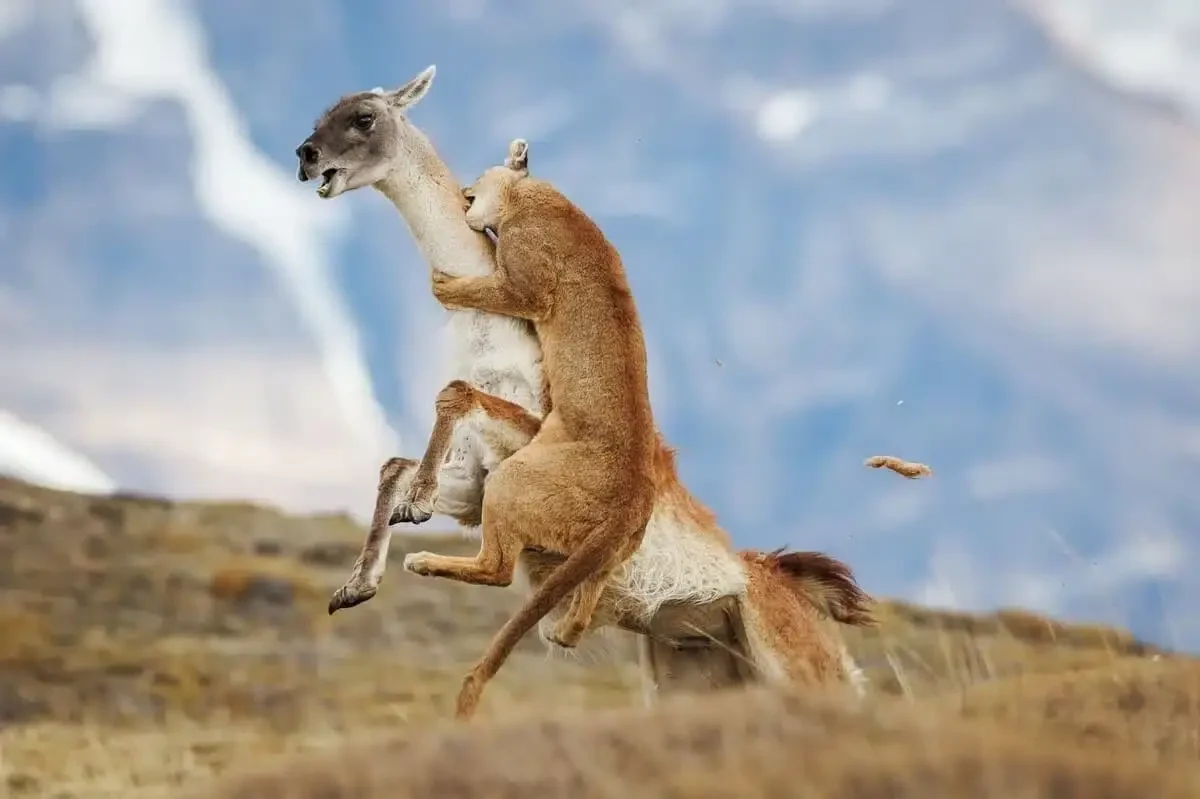
- First place: 'Struggle for Life' by Kevin Shi — a cougar hunting a guanaco that ultimately escaped.
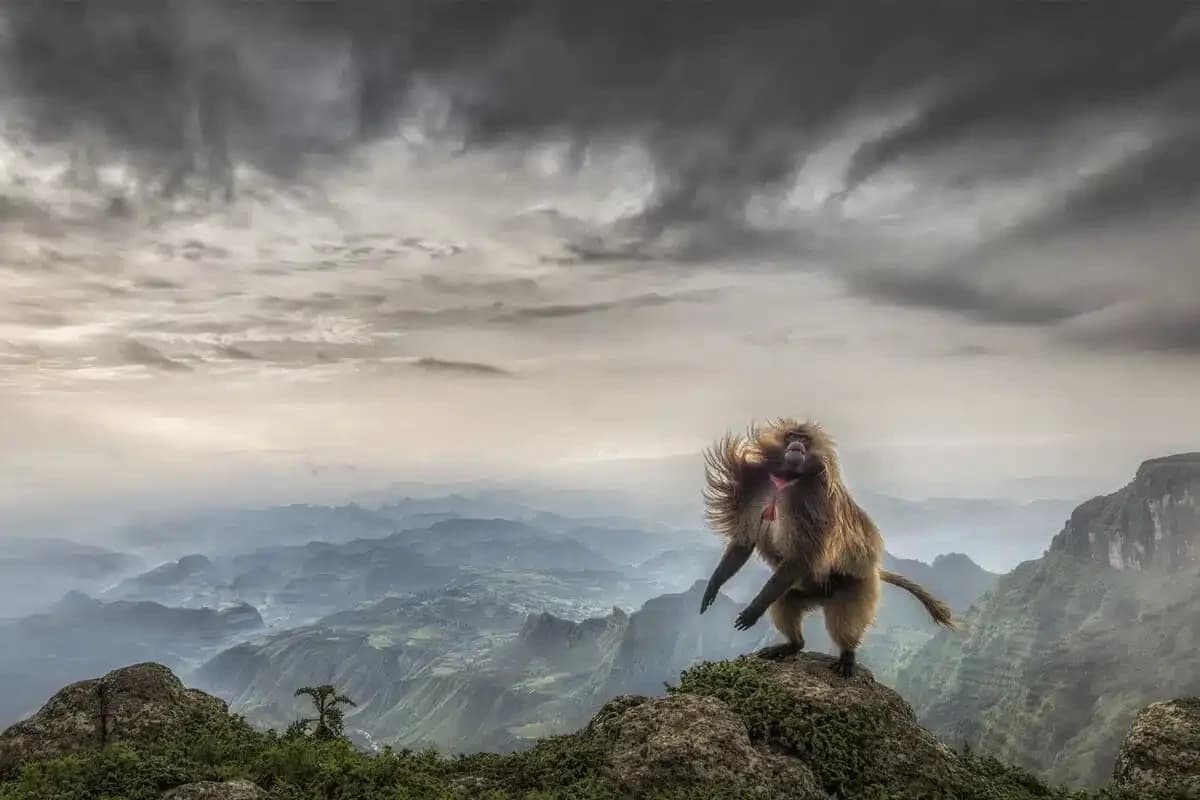
- Second place: 'High Mountains' by Marco Gaiotti — a gelada perched on a rock in the Ethiopian Highlands at sunset.
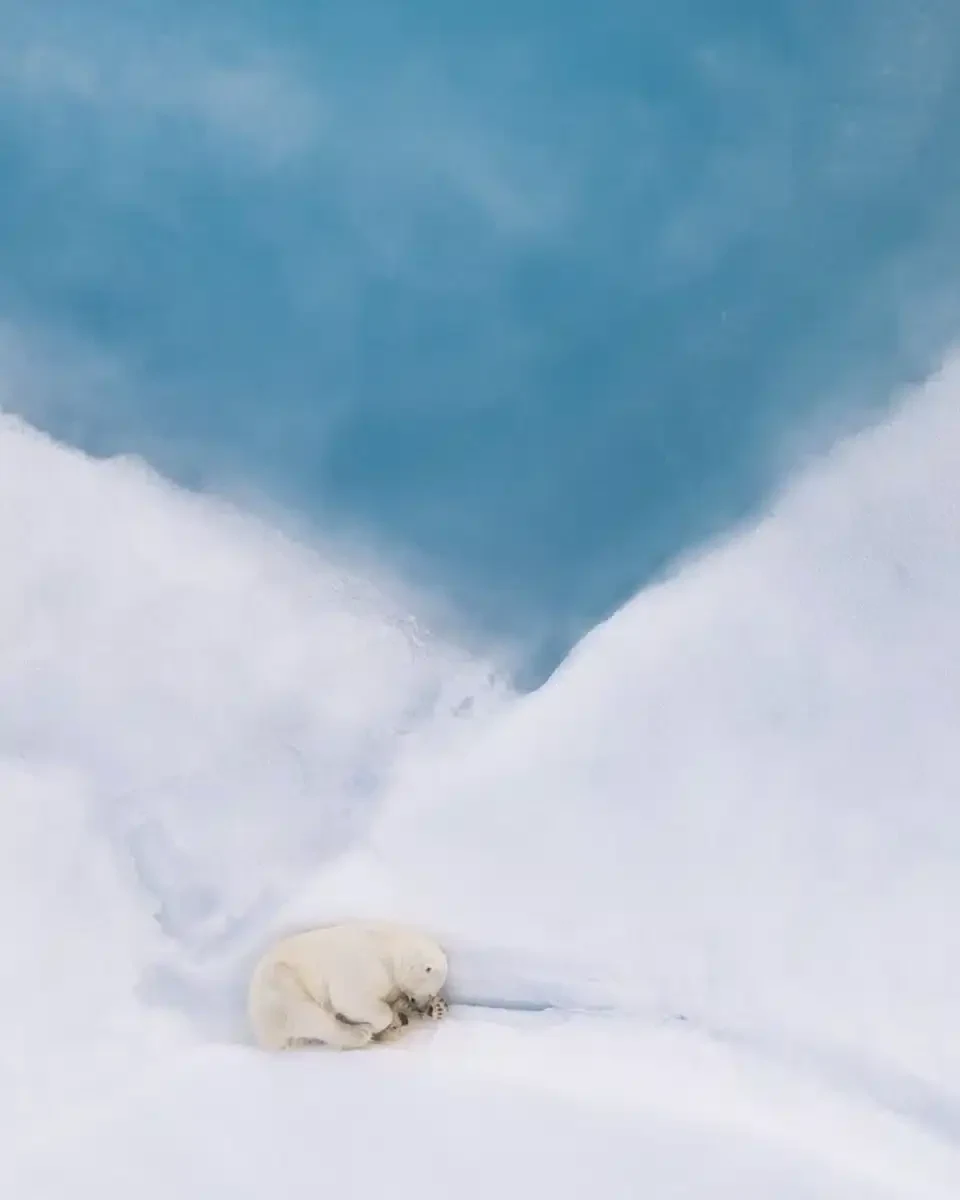
- Third place: 'Beauty in Sleep' by Felix Belluain — a polar bear sleeping on Arctic ice in Svalbard, captured via drone in summer 2025.
Wildlife Photography Contest Results
Naked Science magazine has published a collection of wildlife photographs, including works by winners and images highly rated by the jury. The images capture predator hunts, animal care for offspring, and unexpected encounters in nature.
First Place — 'Struggle for Life'
First place was awarded to the photograph 'Struggle for Life' by photographer Kevin Shi. The author observed a female cougar feeding her two cubs over several days. At dawn, the predator slowly approached a guanaco and launched an attack. The cougar repeatedly tried to knock the prey down and latch onto its neck, but the guanaco ultimately escaped by running away.
Second Place — 'High Mountains'
Second place went to Marco Gaiotti's work titled 'High Mountains'. The image, taken at sunset, shows a gelada sitting on a rock in the Ethiopian Highlands. This primate is found only in Ethiopia and is distinguished by a reddish patch on its chest; its diet consists almost entirely of grass.
Third Place — 'Beauty in Sleep'
Third place was awarded to Felix Belluain's photograph 'Beauty in Sleep'. In the summer of 2025, the photographer was aboard a ship navigating through thick Arctic ice in northern Svalbard. Noticing something resembling a hump on a distant icy slope, he launched a drone. Upon closer approach, it was revealed that a polar bear was curled up and sleeping in a depression beside a bright blue ice formation. To avoid disturbing the animal, the photographer kept the drone at a high altitude, took the shot, and then departed.
Jury-Highly-Rated Work
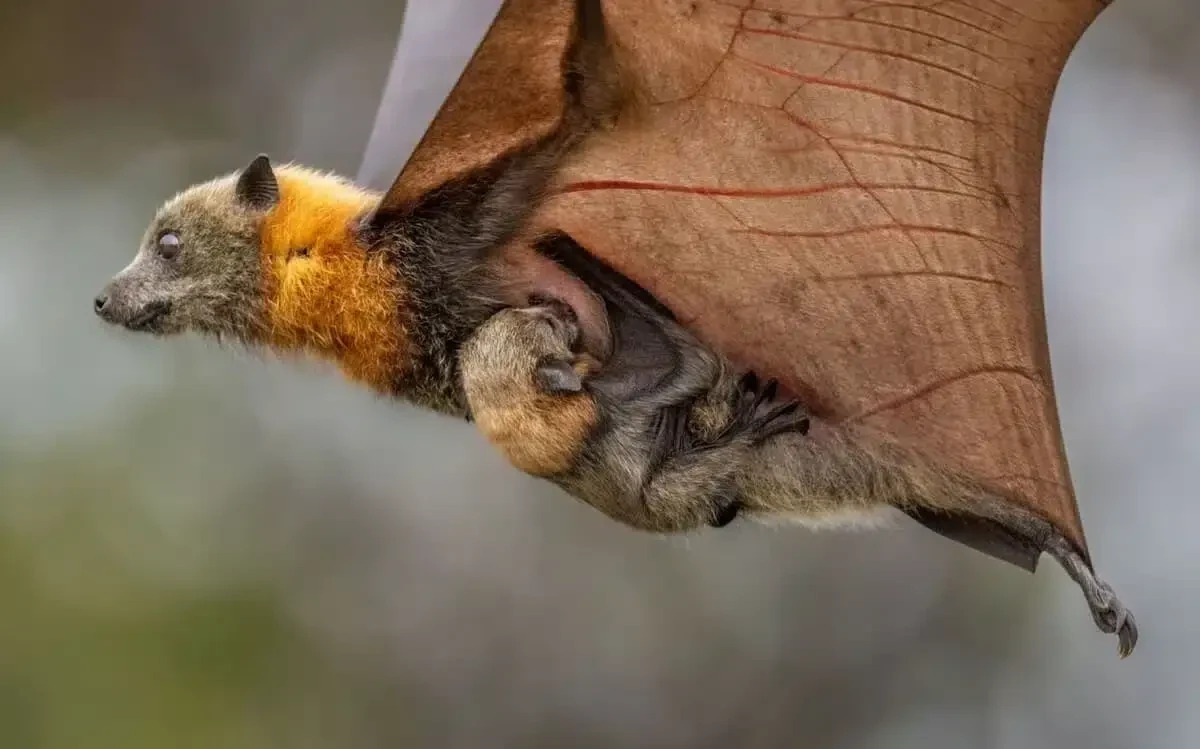
The jury also highly rated Douglas Gimenez's photograph 'Flight with Offspring'. It depicts a grey-headed flying fox — a large bat — carrying its young among trees near Melbourne. Young bats cling to their mothers until they become too heavy; afterward, they remain in the trees with other young ones, waiting for their mothers to return.