The key facts
- A metagenomic test detects bacteria, viruses and fungi from a single sample in one day, including infections missed by standard methods.
- In the 2024–2025 study, 122 children in GOSH's PICU were tested; in 25% of cases the results influenced antibiotic prescribing.
- Testing is being rolled out in about 30 intensive care units across the UK; the case is described of a girl with drug-resistant pneumonia who, according to her mother, was saved by the test.
One-day test reveals hidden infections in children in intensive care
As BBC News reports, citing a publication in Lancet Microbe, London's Great Ormond Street Hospital (GOSH) applied metagenomic testing — a method that sequences all the genetic material in a sample and can detect thousands of pathogens: bacteria, viruses and fungi from a single sample. Unlike traditional approaches, doctors do not need to decide in advance what exactly they are looking for. The most common way of identifying bacteria is culturing in Petri dishes, a Victorian-era technology; PCR detects viruses and some bacteria but requires specifying the target of the search.
Willow Crowter's case
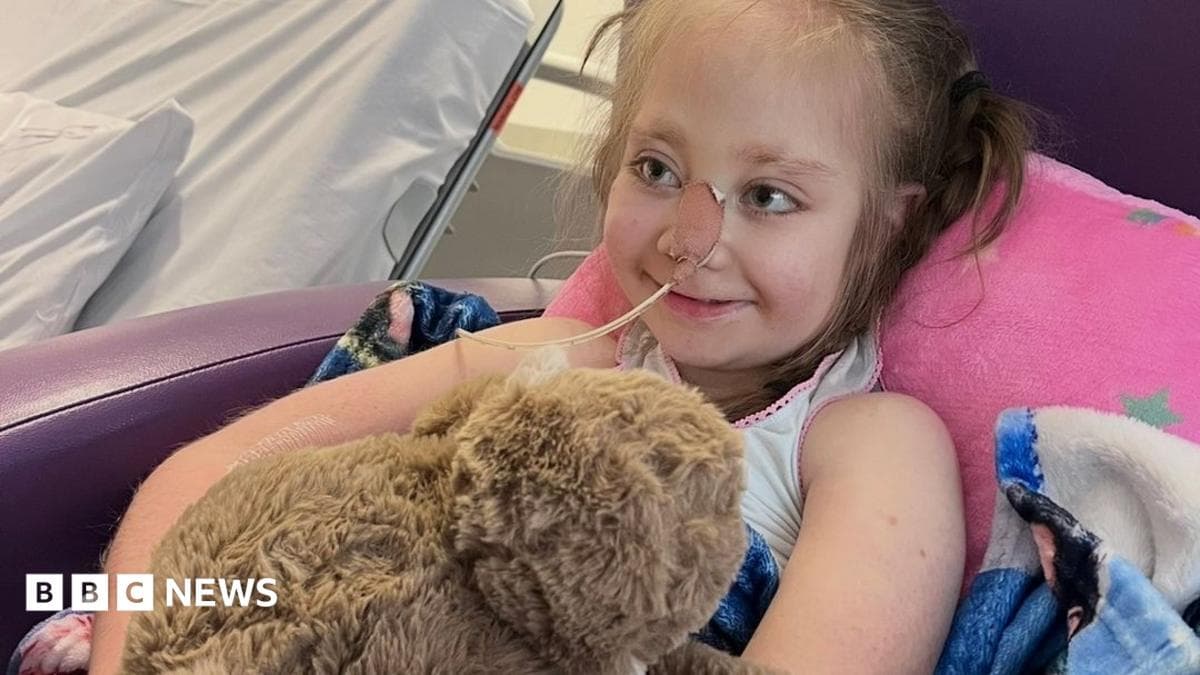
In March, 10-year-old Willow Crowter from Kent became severely ill with pneumonia, leading to a seizure and several cardiac arrests. Her mother, Stacey Moore, said a consultant told her there was a 50% chance of survival and advised the family to come and say goodbye. A metagenomic test at GOSH identified a drug-resistant bacterial infection requiring a different antibiotic than the one prescribed. 'The fact that they had a test available for her was paramount. It saved her life,' Stacey said. Willow's father, Russ, added: 'It's a miracle that she's here, and we are extremely grateful.' With the right treatment, Willow recovered, but spent several months in hospital; in August she celebrated her tenth birthday.
Study results and rollout
In the 2024–2025 study, metagenomic testing was applied to 122 critically ill children in GOSH's paediatric intensive care unit. The test identified about nine out of ten bacteria and viruses and all fungi in the samples. In a quarter of cases, the results influenced prescribing decisions — starting, stopping or changing an antibiotic. It also detected 50 organisms not found by routine diagnostics, suggesting a possible role in the early warning of new infections.
Experts' views
Dr Sam Ray, a consultant in paediatric intensive care at GOSH and co-author of the study, noted that traditional testing requires clinicians to make an 'educated guess' about the infection being sought, and that the study helped identify missed infections, prescribe the right treatment and stop antibiotics that would not work. In his words, stopping unnecessary treatment is extremely important in the fight against growing antimicrobial resistance. Dr Julianne Brown, head of the metagenomics service at GOSH and joint lead author of the study, said the testing is gradually being rolled out in about 30 intensive care units across the UK for adults and children. She added that the method could be a powerful tool for detecting new infections posing a pandemic threat: in the case of a new 'mystery pathogen', it could be detected very quickly and the necessary measures taken. The GOSH project builds on trials at Guy's and St Thomas' NHS Trust, where metagenomics was first used to test respiratory infections in adult patients.
 Image source, Family photo
The test helped doctors identify which antibiotic would be effective in treating Willow
 Image source, Family photo
Willow celebrated her 10th birthday in August



