The key facts
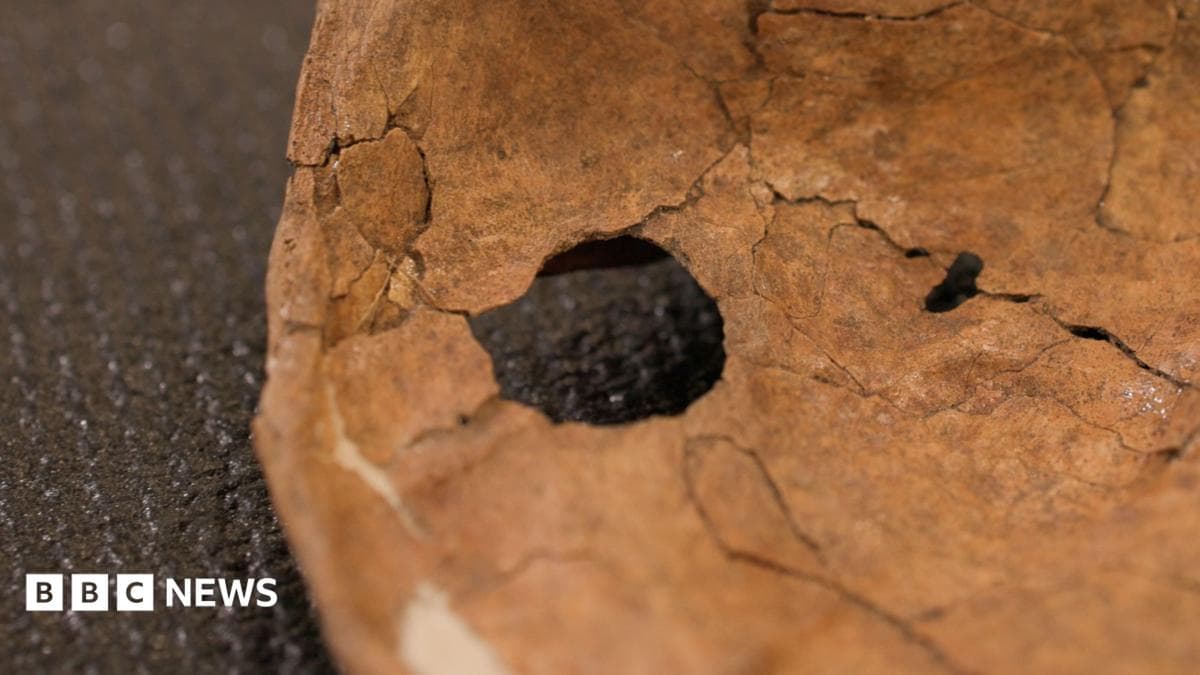
- A 15 mm hole in the shoulder blade of Shanidar A (75,000 years old) could have been left by a wooden spear that passed through the chest
- This may be the first evidence of the use of sharpened wooden spears in prehistoric Middle East
- The cause — interpersonal violence or a hunting accident — remains disputed; Chris Stringer considers an attack more likely
Find in Shanidar Cave
A Neanderthal who died about 75,000 years ago may have been pierced by a sharpened wooden spear, archaeologists report. A hole 15 mm in diameter in a shoulder blade found in a cave in Iraqi Kurdistan may be the earliest evidence of lethal violence with such a weapon. The remains, known as Shanidar A, also include a right hand, three ribs and teeth; the remains of at least ten Neanderthals were found in the cave in the 1950s.
Nature of the wound
Judging by the angle of the wound and other data, the spear entered the chest, passed through the body — likely damaging the lung and major blood vessels — and exited through the left shoulder blade, leaving an almost perfectly round hole. Lead author Emma Pomeroy from Cambridge noted that such a round mark does not occur naturally, and experiments with reconstructed spears produce very similar holes. "The fatal blow could have been aimed at the heart," she told BBC News. According to her, this is possibly the first evidence of the use of sharpened wooden spears in prehistoric Middle East.
Hunting or attack?
Pomeroy stresses that interpersonal violence is not proven: the wound could have resulted from "friendly fire" or a hunting accident. Professor Chris Stringer of the Natural History Museum in London, who was not involved in the work, considers an attack by a rival more plausible, given the position and extent of the wound. The work is published in the journal Scientific Reports.
Context of growing evidence of violence
The find echoes a 1957 discovery in the same cave: another Neanderthal who lived about 50,000 years ago had a partially healed wound on the ribs, probably from a spear with a stone tip. A 2022 study of skulls from the "Pit of Bones" in northern Spain also remains key evidence: 57 healed head injuries were found in 20 individuals, nine had potentially fatal fractures, and six had similar puncture wounds at the back-left, indicating deliberate blows about 430,000 years ago. For a long time, the emergence of organized warfare was linked to agriculture, but data on earlier hunter-gatherers show that individual killings existed long before it. How widespread such violence was and when sporadic attacks grew into organized conflicts remain subjects of scientific debate.
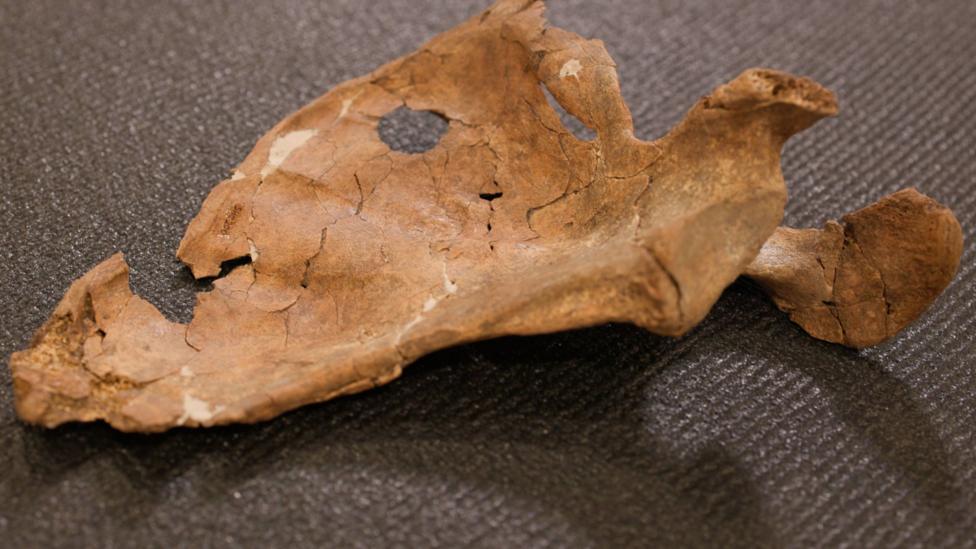 Image source, University of Cambridge
A wooden spear caused the hole in this Neanderthal shoulder blade, scientists say
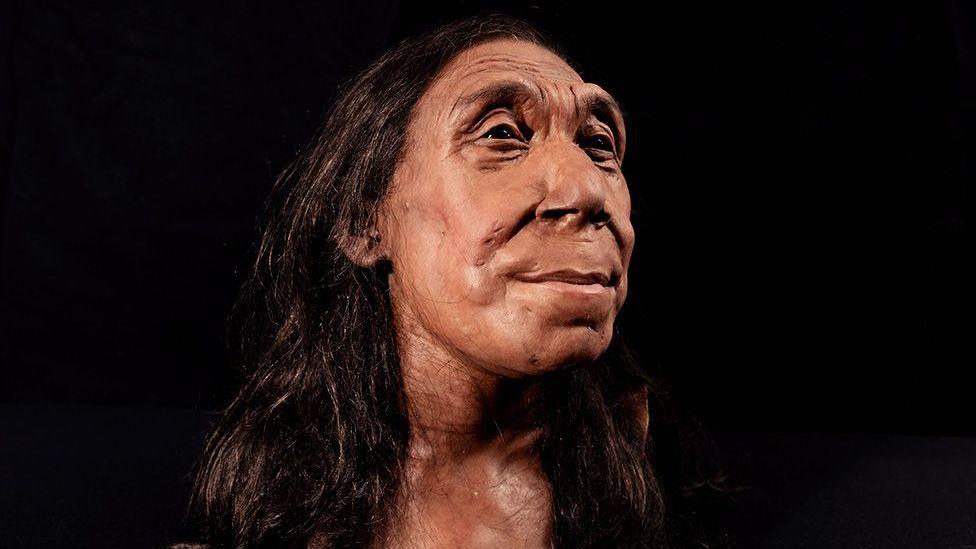 Image source, BBC Studios/Jamie Simonds/PA Wire
Scientists have used Neanderthal remains to imagine what they could have looked like