The key facts
- Dr Lesel Dawson urges people not to avoid the bereaved, but simply to be there and listen.
- Grief has no linear stages and can involve mixed emotions in any order.
- The Good Grief festival in Weston-super-Mare aims to normalize conversations about loss.
The main advice for supporting the bereaved
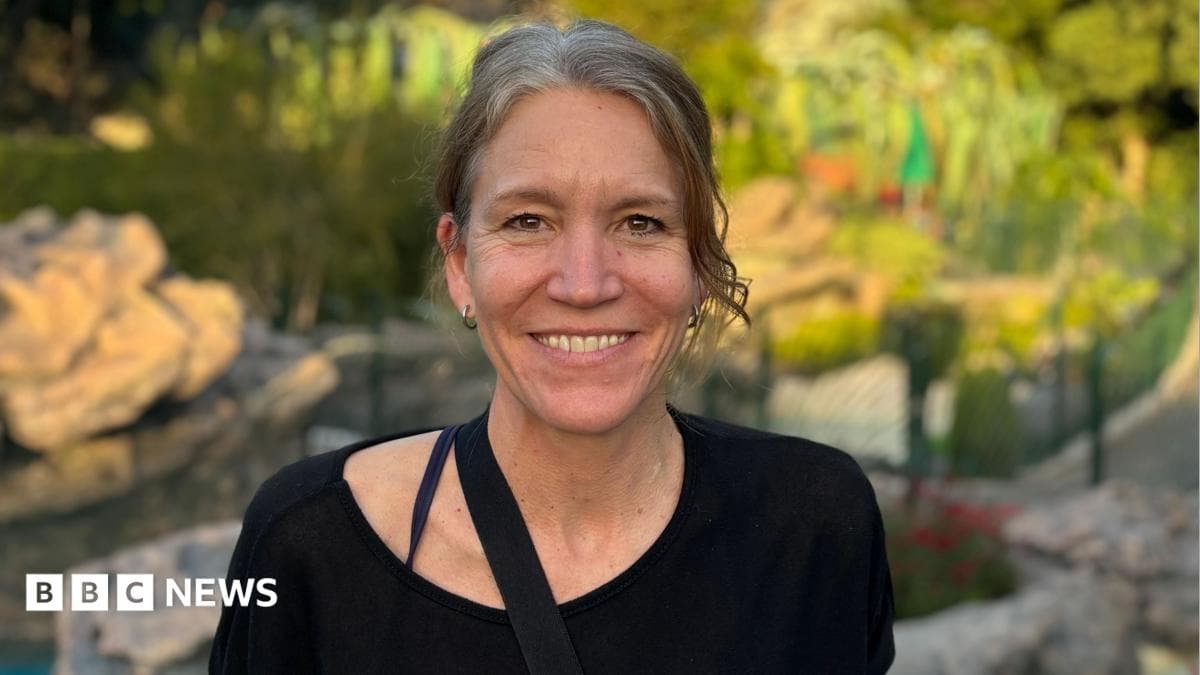
Dr Lesel Dawson, associate professor of literature and culture at the University of Bristol, said that the most important thing in supporting a person experiencing loss is not to avoid them. According to her, the fear of saying the wrong thing often makes people withdraw, which is the worst reaction. The key action is a simple acknowledgment: 'I am so sorry, I am here.' Dawson emphasized that it is necessary to let the bereaved person set the pace, choose the language of communication, and decide when and how to talk about the deceased.
Personal experience and overcoming guilt
Dawson's understanding of grief was shaped by the death of her younger sister, who was stillborn when Dawson herself was eight years old. For many years her mother blamed herself for this event. After the premature birth of her first son and the complications associated with it, Dawson realized that her mother still considered the loss of her daughter her own fault. The associate professor noted that feelings of guilt and blame are very common in loss and can lead to destructive coping mechanisms. She gave an example of a dialogue with her mother, in which she admitted that the premature birth of her son was not her fault, but could not show the same kindness to herself regarding the loss of her daughter.
Myths about the stages of grief
Dawson refuted the popular misconception that grief passes through clear, ordered stages and that a person eventually fully 'overcomes' the loss. According to her, in reality grief is chaotic, unpredictable and deeply individual. People may experience mixed emotions — sadness, anger, numbness, jealousy, rage — which do not follow a sequential order. The process is not linear, and each person has their own unique timeline and ways of experiencing grief.
Statistics and avoidance of conversations about death
A study commissioned by the charity Marie Curie showed that, although 70% of people feel comfortable talking about death, significantly fewer people actually have such conversations with family, friends or medical professionals. Dawson noted that avoiding conversations about grief can create lifelong problems, since only turning to the pain of the experience allows one to fully process what happened.
The Good Grief festival
Dawson is co-director of the annual Good Grief festival, which takes place in Weston-super-Mare. The event, starting on 15 October 2026 and running until Sunday, includes workshops, musical performances, lectures and light installations. The goal of the festival is to start and normalize conversations about death, dying and loss, creating a space for discussing difficult emotions.
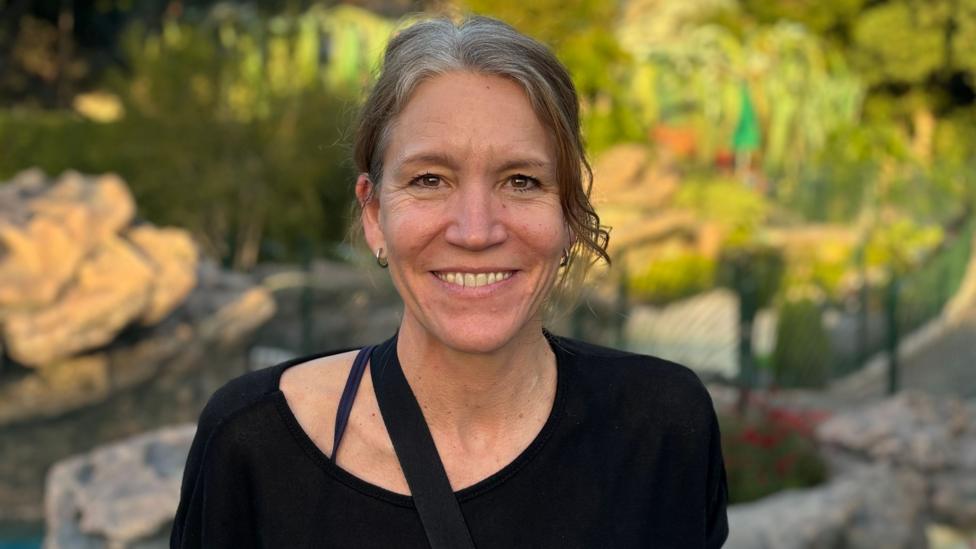 Image source, Jamie Curtis
Dr Lesel Dawson encourages bereaved people to talk about their feelings in order to cope with grief
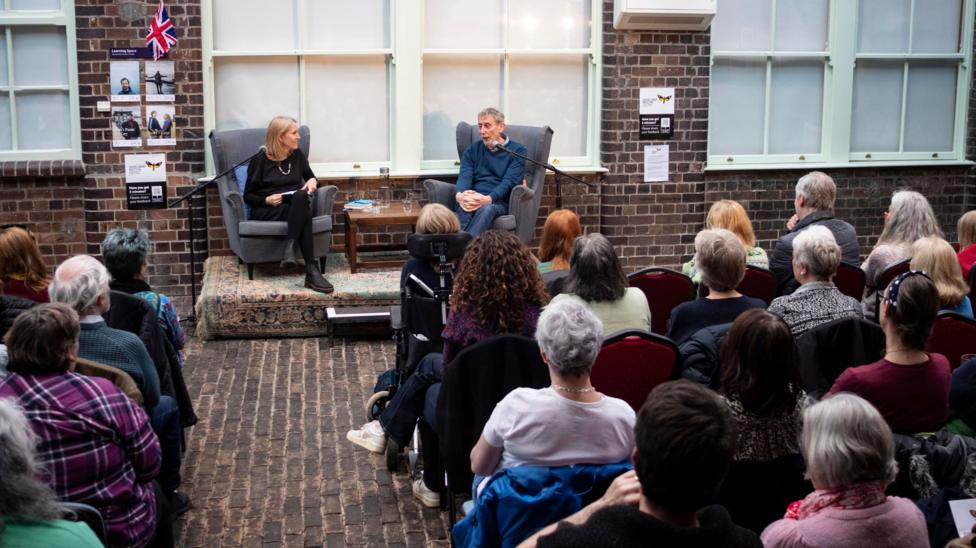 Image source, Paul Blakemore
Good Grief Weston offers workshops, talks and musical performances aimed to start and normalise conversations about loss