The key facts
- The situation is 'completely normal' and will happen to every child — Dr Sasha Hall
- Parental intervention doesn't help in the long term
- Friendship becomes meaningful for children at around age 5–7
A common situation
In autumn, children start bringing birthday party invitations home from school, and the question of what to do if a child isn't invited is discussed in an episode of the CBeebies Parenting Download podcast. Educational and child psychologist Sasha Hall, mother of a three-year-old boy and a five-year-old girl, calls such a situation 'completely normal' and notes that, unfortunately, it will happen to all children. Comedian and author Cariad Lloyd, a mother of two, adds that for a child this is a 'hard' situation: 'When they're little, it's like first love... everything feels so acute, especially with parties. Everyone has missed out on an invitation at least once.'
Don't intervene, teach coping
According to Hall, although parents may want to intervene, in the long term this doesn't help. 'We can't remove all obstacles, but we can give them the skills to cope,' she said, emphasising that the point is to develop the child's resilience, not to change the outcome of the situation.
An alternative and perspective
Hall suggests planning an alternative activity to redirect the child's attention: find another friend and do something else. Lloyd notes that the more often this happens in primary school, the easier it is to explain: children will be invited to some parties and not to others, and over time it stops being a drama — children 'take turns'.
It's not about the child
Hall advises explaining to the child that the decision isn't about them: five-to-seven-year-olds don't yet have the idea that they are 'bad', and the reason most likely lies elsewhere. Lloyd gives an example: 'They can't have 20 children at the party, so they invite six, and you didn't make the list.' Hall adds that there can be many reasons — from the parents' own childhood experiences to wanting to hold a big party to help a shy child.
Friendship takes time
Hall reminds that friendship takes on deep meaning for older children: at around two years old, interest in others shows in parallel play, at three to five social motivation to choose preferences appears, and at around five to seven friendship becomes stable and meaningful. She cites research on adults: moving from acquaintances to friends takes 40–60 hours, and up to 200 hours for a good friend. 'You can't assume that if you went to soft play and the child saw another child twice, that's already a friend,' she concluded. Additional tips are published on the CBeebies Parenting YouTube channel.
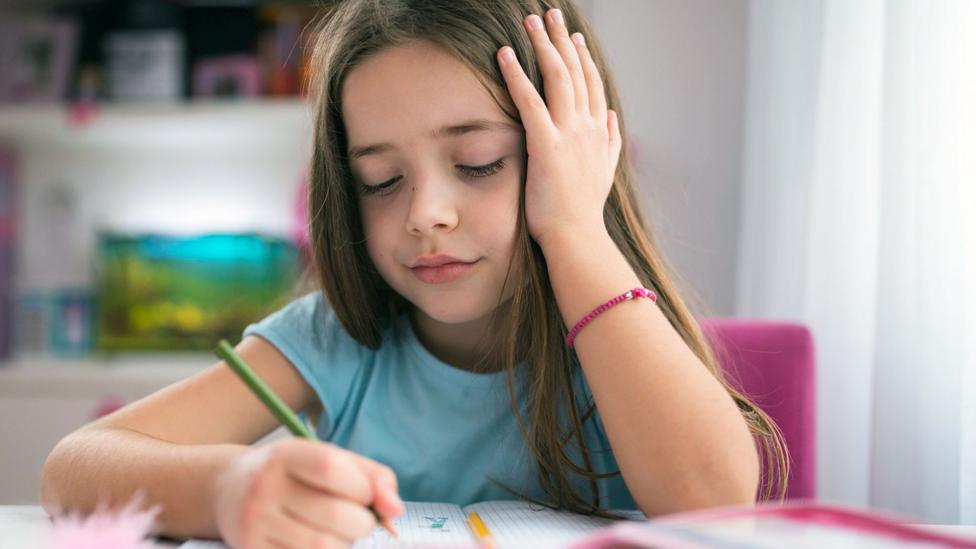 Image source, Getty Images
Being left off the party list is a sad time for little ones but there are ways to help
 Image source, Emma Pharaoh
Dr Sasha Hall says not being invited to a birthday party is going to happen to our children at some point

Cariad Lloyd and Dr Sasha Hall joined CBeebies Parenting Download