The key facts
- Eisenkot called Netanyahu and his circle a 'direct and immediate threat' to Israeli democracy and promised a commission of inquiry
- According to Channel 12, Netanyahu's office chief Ido Norden passed police information before the election that led to the arrests of Ra'am activists without warrants
- The Shin Bet, per the report, sought permission to wiretap five Arab lawmakers, but the attorney general rejected the request; Netanyahu denies wrongdoing
Accusations on election day
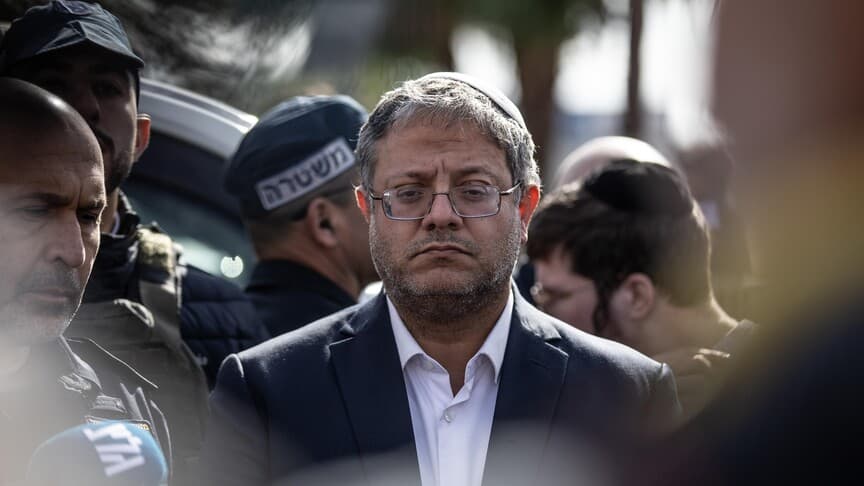
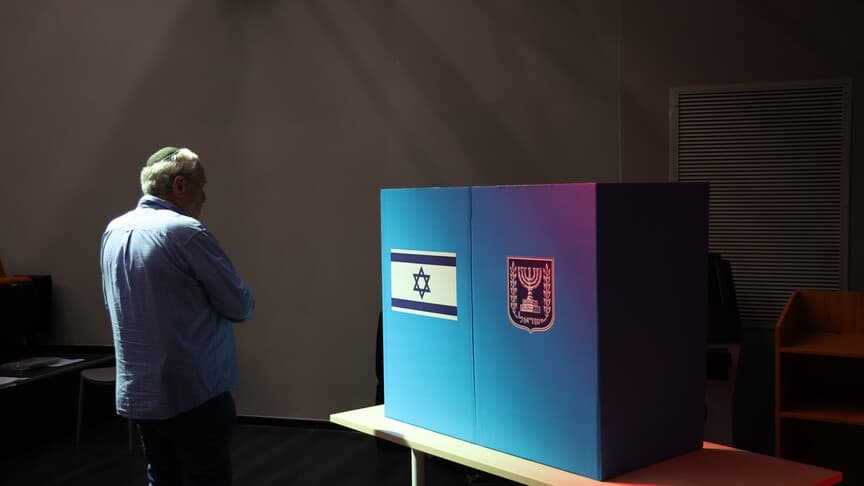
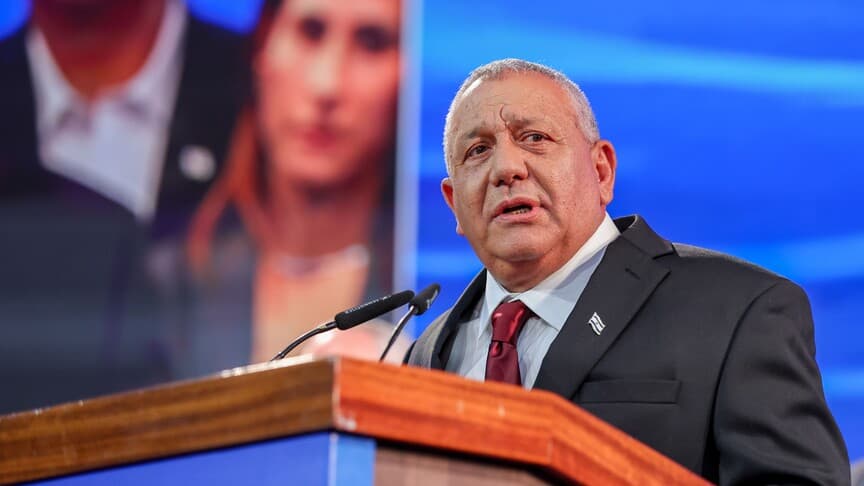
Yashar party leader Gadi Eisenkot on Sunday demanded an investigation into the alleged interference by Prime Minister Benjamin Netanyahu's office in the October 27 Knesset elections. In a statement on X, he called Netanyahu and his circle a 'direct and immediate threat' to Israeli democracy and said that as long as Netanyahu remains in power, 'there will be no more honest and lawful elections in Israel.' Eisenkot pledged to establish a commission of inquiry into the prime minister's office's involvement and the actions of the security services before the election and on election day.
What the Channel 12 report said
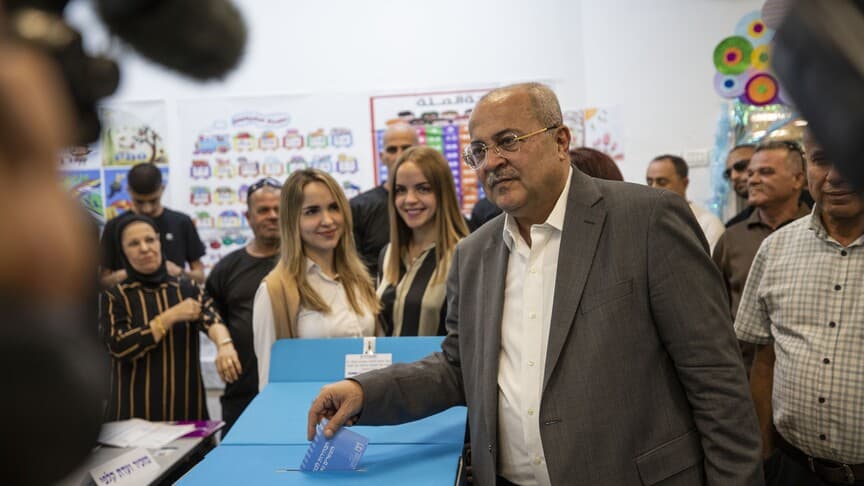
The trigger was a report by Channel 12's Uvda program aired the same day. According to it, Netanyahu's office chief Ido Norden contacted the office of police chief Daniel Levy on the eve of the election, complaining about three activists of the Arab Ra'am party in the country's south who were allegedly suspected of vote-buying, and pointed to the intelligence source — a former employee of the prime minister's office; the Haaretz newspaper linked him to former office director-general Yossi Shelley. Police carried out searches at dawn with about 14 officers without valid search or arrest warrants. Police claimed the activists had large sums of cash and Ra'am vouchers to influence voters, but the investigation led to no charges; one of the detainees, Saef Abu Reash, spent six days in custody and was released without conditions. The report also said Shin Bet chief David Zini on election day sought permission to wiretap five Arab lawmakers and detain Arab politicians on suspicion of foreign interference, but Attorney General Gali Baharav-Miara rejected the request.
Netanyahu's response and coalition talks
Netanyahu's office rejected the accusations, saying Norden had received information about suspected criminal activity and duly passed it to the police, and that claims of greater involvement by the office chief were false. Netanyahu himself accused Eisenkot of inciting discord, calling his statements 'poisonous.' The accusations came against the backdrop of coalition negotiations: President Isaac Herzog tasked Eisenkot with forming a government on November 8, giving him 28 days with a possible 14-day extension. On Sunday, representatives of Likud and Eisenkot's supporters described the meeting as having taken place in a 'businesslike atmosphere.' Netanyahu's bloc holds 53 of 120 seats, Eisenkot's bloc 48, and the Arab parties a record 19, and without their support Eisenkot has no majority; former defense minister Avigdor Liberman ruled out supporting a government dependent on the Arab parties. Netanyahu, for his part, is calling for a national unity government, citing security threats, above all the unresolved conflict with Iran, and a rotation agreement modeled on 2021 is being discussed.