The key facts
- According to Channel 12, Netanyahu's chief of staff Idon Norden contacted the police on the eve of the election with a complaint against three Raam activists
- About 14 police officers conducted searches without warrants; the court released the detained physician Sayaf Abu Riash after six days
- The Shin Bet chief requested permission to wiretap five Arab lawmakers, but Attorney General Gali Baharav-Miara blocked the request
Election Day Arrests
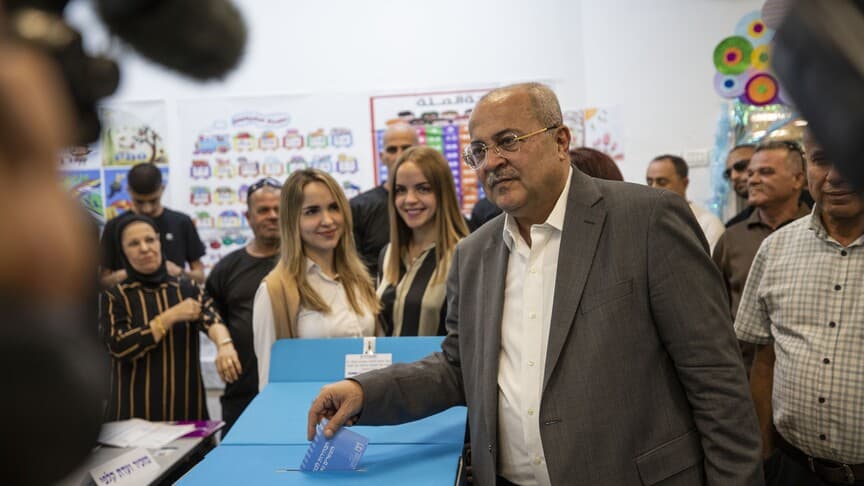
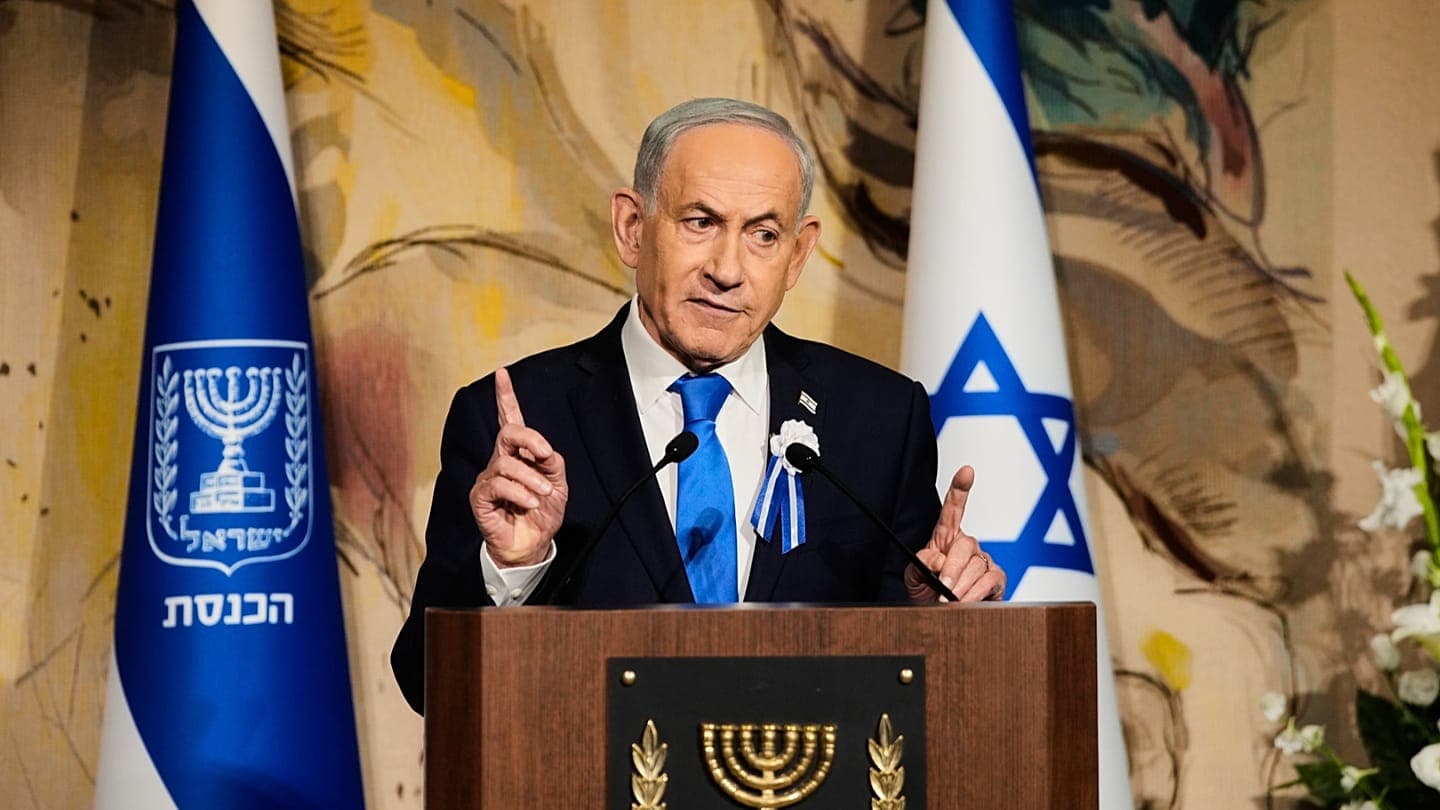
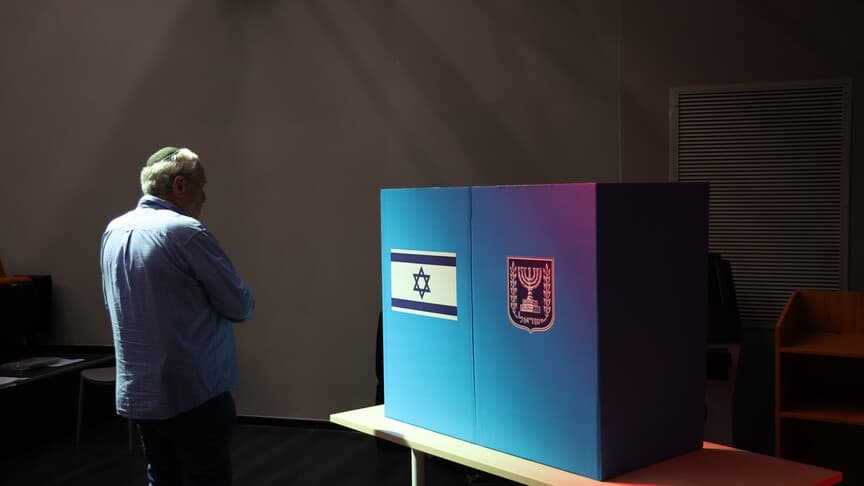
An investigation aired on Israel's Channel 12 points to the possible involvement of Prime Minister Benjamin Netanyahu's circle in organizing the arrests of activists of the United Arab List (Raam) in southern Israel on October 27 — the day of the Knesset elections. According to the journalists, the Prime Minister's chief of staff, Idon Norden, contacted the police commissioner's office on the eve of the vote with a complaint about the activities of three Raam activists and pointed to an intelligence source which, he said, possessed information relevant to the case.
How the police version was built
According to the investigation, the source turned out to be a former employee of the Prime Minister's Office, close to Yossi Shelley, who served as its director general. The information he provided contained accusations against the activists that were later not substantiated by sufficient evidence. The police entered the data into intelligence systems that same night, and it was this tip, together with the complaint from Netanyahu's office, that formed the basis of the arrests carried out on election day. About 14 police officers searched the homes of the three activists without search warrants and without arrest warrants. Among those detained was Sayaf Abu Riash, a physician from Rahat. The police claimed that the activists were transporting large sums of cash and Raam vouchers to influence voters. The investigation notes that Netanyahu quickly publicized the accusations and repeated them throughout the day of voting, and voices the suspicion that his office helped launch a case that was then used for a campaign claiming that 'Arabs are stealing the elections.'
Wiretapping of lawmakers and the Shin Bet
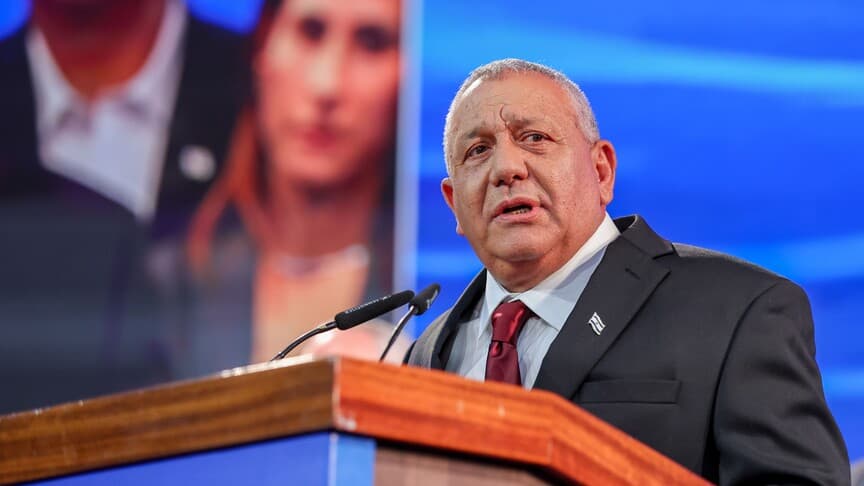
Separately, the investigation reports that Shin Bet chief David Zini requested permission on election day to wiretap the phones of five Arab Knesset members, citing suspicion of foreign interference. Attorney General Gali Baharav-Miara rejected the request and blocked it at the last moment; according to the investigation, the judicial authorities found no concrete evidence of interference capable of threatening the legitimacy of the elections. The report also provides details of a meeting between Zini and Yashar party leader Gadi Eisenkot, who was later tasked with forming the next government, two days after the vote: Zini placed a 'thick folder' in front of him and stated that he had data going back to 2018 showing that 'Arabs are stealing elections in Israel,' and that previous Shin Bet chiefs had ignored this information. According to Channel 12, these statements caused concern within the Shin Bet and law enforcement agencies, since no evidence of fraud or foreign interference was presented.
Consequences and unresolved questions
The Beersheba Magistrate's Court ordered Abu Riash's release after six days in custody. The police said they had seized 'numerous items' from his home; however, according to the investigation, the warrantless search yielded nothing. One senior law enforcement official familiar with the case warned in a comment to the investigation that such practices could undermine future elections: in his words, recent events convinced him that 'there will not be another honest election here,' referring to the use of the police and the Shin Bet — whether deliberately or not — for political interests. The investigation raises the question of how well the security agencies are protected from political interference; the case remains under review, and some of the allegations raised have not yet been resolved.