The key facts
- The EU has not yet designated a single representative for the Ukraine talks; Kaja Kallas and António Costa are named as the most likely candidates
- Witkoff and Kushner held talks in Abu Dhabi and met with Putin in Moscow, then briefed Zelensky in Dublin
- EU leaders fear the US may accept Russia's demands to reshape European security, including the NATO question
The dispute over a seat at the negotiating table
European leaders have come under pressure to name a single representative for the Ukraine talks after US special envoy Steve Witkoff told journalists that Europeans would be present at the next meetings. So far, however, the EU has failed to settle on one central figure: many national leaders want to attend the talks in person.
The Dublin summit and the American diplomatic trip
The European Political Community summit with 47 European leaders in Dublin took place after a diplomatic tour by advisers to Donald Trump's administration — Jared Kushner and special envoy Steve Witkoff: they held talks in Abu Dhabi, then met with Russian President Vladimir Putin in Moscow, after which they arrived in Dublin to brief Ukrainian President Volodymyr Zelensky.
Disagreements within Europe
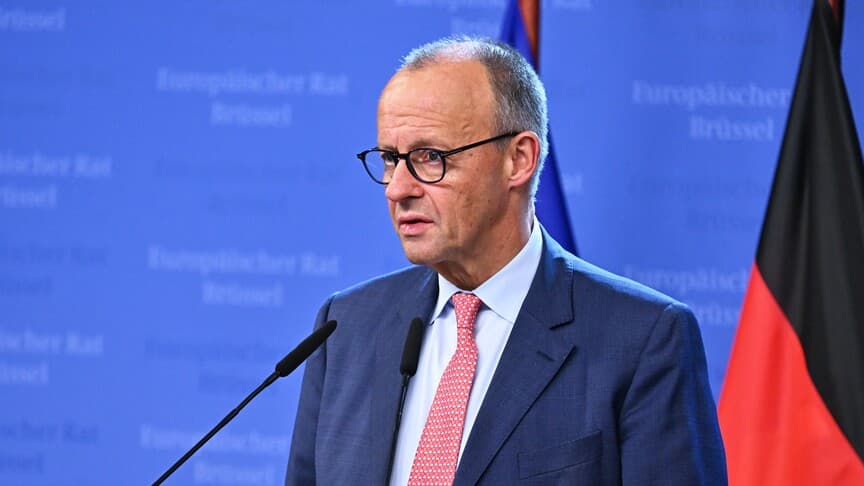
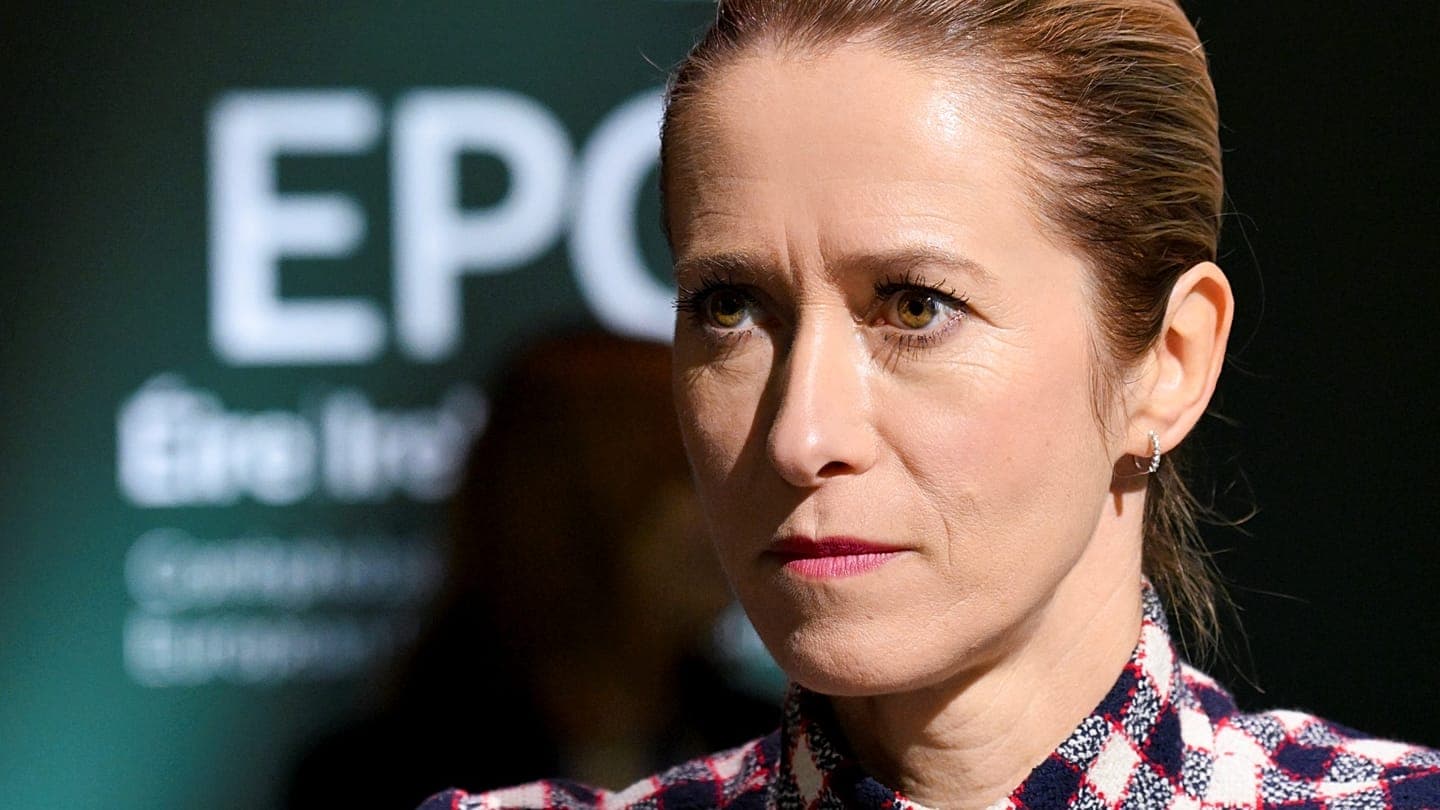
The most likely candidates for the role of EU representative are the EU's chief diplomat Kaja Kallas and European Council President António Costa. German Chancellor Friedrich Merz said in Dublin that Ukraine, the Europeans, the Americans and, naturally, Russia should sit at the table, but, like many other leaders, he downplayed the idea of appointing a special envoy. Zelensky insists on Europe's participation: in his words, Europeans are already involved, but they need to be made a permanent part of the talks. Italian Prime Minister Giorgia Meloni, in a letter to Costa, criticized the lack of unity, writing that by projecting an image of a Europe in disarray, we only serve the interests of those who want the war to continue. Assessments of the situation diverged: Slovenian Prime Minister Janez Janša spoke of a 'bad mood' among the leaders, while Latvian Prime Minister Andris Kulbergs countered that he did not feel it.
Security concerns
Among the leaders in Dublin there is a fear that the US will accept Russia's demands to change the architecture of European security, primarily through NATO, in exchange for a seat at the table. According to DW, Putin said in Moscow that among his possible demands are a commitment from Ukraine never to join NATO and a potential rollback of the alliance excluding Finland and Sweden, and he also stated that the deployment of European troops in Ukraine after a peace agreement would make them a legitimate target. Estonian Prime Minister Kristen Michal called this a trap, asking whether one should discuss one's own defense with the very source of the threat. Leaders cited agreements that, in their view, Moscow had previously violated: the Helsinki Accords of 1975, the Paris Charter of 1990, the 1997 NATO–Russia Founding Act and the 1994 Budapest Memorandum. Trump publicly spoke of his hope for a 'very big, beautiful deal' that 'could include all of Europe'; Zelensky called the American approach 'a bit strange'.
The dispute over financing Ukraine
The disagreements over a seat at the negotiating table distract attention from what may be a more serious struggle within the EU — financing Ukraine amid the ongoing war. In October, the European Commission identified a €70 billion shortfall in the EU's promised funding for the Ukrainian economy. Slovak Prime Minister Robert Fico opposes further financial and military support for Ukraine, while Merz warned that he could block the next seven-year EU budget if member states do not agree to contribute to financing Ukraine.