The key facts
- Zelensky confirmed that Europe will take direct part in the next round of Ukraine talks
- Candidates for the role of EU representative: António Costa and Kaja Kallas; Meloni demands a clear mandate
- Restrictions on Starshield have been reinstated, and Ukraine is short of missile interceptors
A Summit Taken Over by War
The informal European Council summit in Dublin was conceived as the first meeting dedicated to artificial intelligence: chair António Costa invited Mistral CEO Arthur Mensch and Nobel laureate Geoffrey Hinton to discuss the technology's opportunities and risks. However, as one EU official remarked, the Council 'sometimes finds itself overwhelmed by current events' — the agenda was completely taken over by the Ukraine talks.
The Meeting Near Dublin and a Place for Europe
Late the day before the summit, Ukrainian President Volodymyr Zelensky held a short meeting with American envoys Jared Kushner and Steve Witkoff at a military airbase near Dublin. The meeting was hastily arranged after two days of talks in Abu Dhabi; Witkoff and Kushner arrived there immediately after meeting Vladimir Putin in Moscow.
Who Speaks for Europe
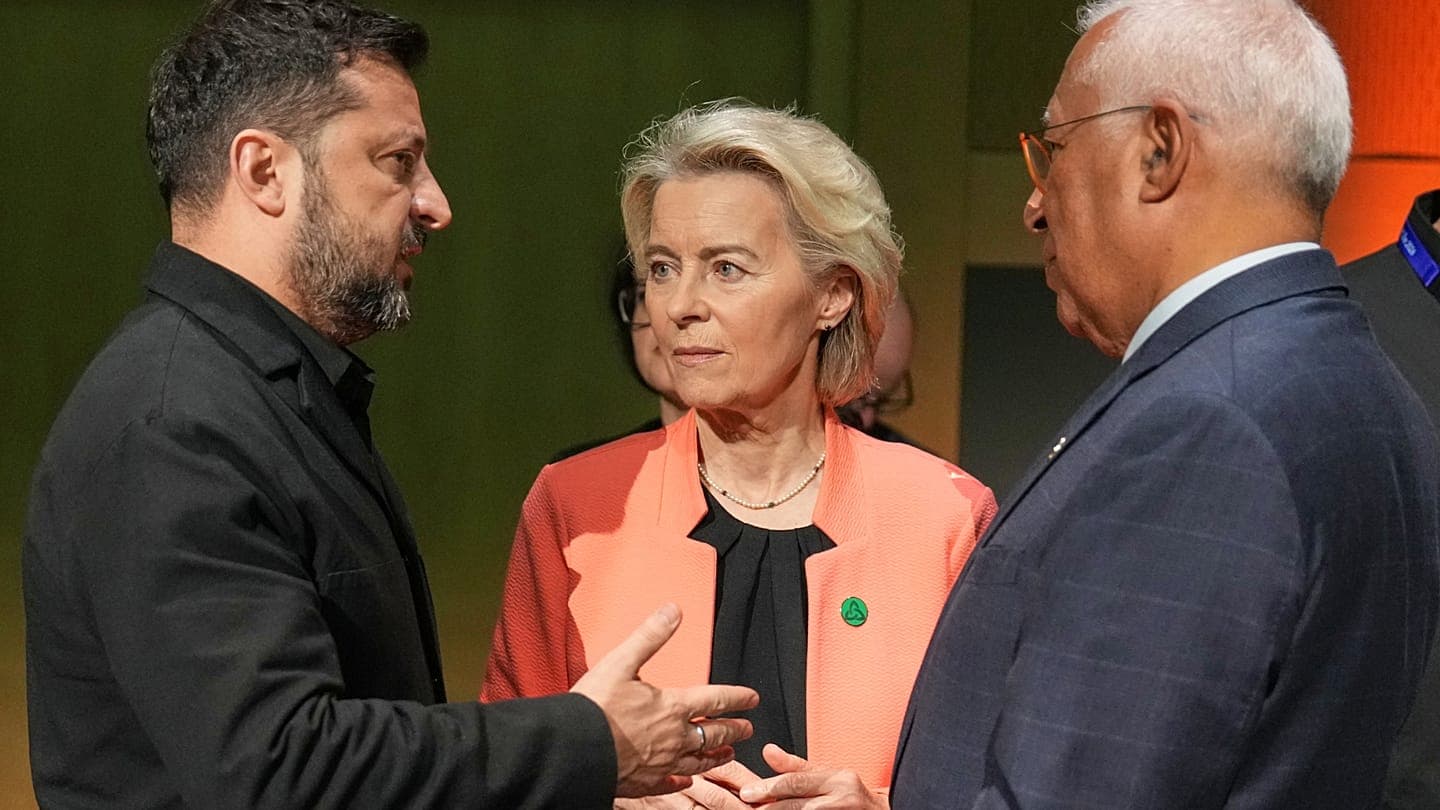
Zelensky confirmed that Europe will take direct part in the next round of talks rather than remain on the sidelines. Kushner said that a deal to end the war is 'impossible to conclude without the Europeans at the table,' adding that, in his words, this had been achieved with Putin and that he 'is ready to try.' The Kremlin, however, quickly downplayed the prospect of such participation, and Zelensky himself refused to reveal what the envoys told him about Putin's demands after the meeting in Moscow.
The Mandate Dispute
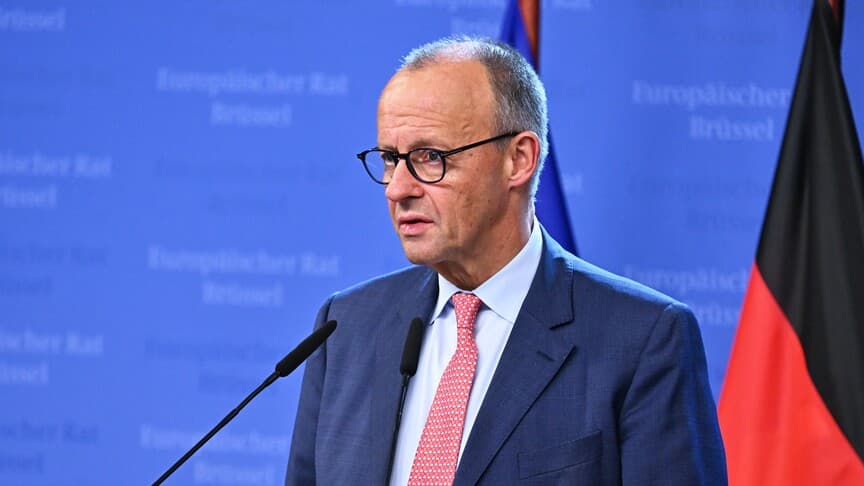
The question of who exactly will represent the EU remains open. Italian Prime Minister Giorgia Meloni was the first to raise the topic again, warning that different formats undermine trust in Europe and demanding a representative with a clear mandate: 'When we talk about the security of European nations, we are talking about commitments to countries that are not at the table.' Rome has already secured a place for Meloni's sherpa Fabrizio Saggio in Abu Dhabi. Polish Prime Minister Donald Tusk, by contrast, sought to lower the temperature: 'I don't feel that Poland suffers from a lack of participation.' Luxembourg's Prime Minister Luc Frieden called European Council President Costa the natural choice; EU diplomacy chief Kaja Kallas also offered herself alongside Costa, but some leaders consider her an anti-Russian 'hawk,' which could prevent her from getting the mandate. If no decision is made, it will be postponed to a special summit on 26–27 November, which will also discuss the EU budget and funding for Ukraine.
Zelensky's Warning and Air Defense Problems
Speaking at the summit of the European Political Community, Zelensky called on Europe to closely watch the cooperation between Washington and Moscow, which, in his words, concerns 'some new framework security agreement between Europe and Russia.' At the meeting, 43 countries signed a declaration on key principles of European security, emphasizing that Europe's security issues must be decided by Europeans themselves, and on the need for reliable security guarantees for Ukraine.
Starshield Restrictions and Winter Preparations
Zelensky confirmed that restrictions have been reinstated on the military satellite service Starshield (SpaceX's version of Starlink), hindering the interception of Shahed attack drones; the previous restrictions had been lifted less than three weeks earlier. According to him, in the first week of November alone Russia launched 115 missiles of various types, as well as thousands of guided aerial bombs, and Moscow is exploiting the shortage of missile interceptors to strike energy infrastructure. 'Artificial restrictions do not serve peace — they serve the aggressor,' he said after meeting NATO Secretary General Mark Rutte. Meanwhile, the EU is mobilizing 500 generators from rescEU reserves and helping to create emergency support centers; Norway is expected to provide 200 buses and four pontoon bridges.