The key facts
- Kaja Kallas offered herself for the role of EU special envoy for Ukraine talks, noting that 'the Russians don't want me'
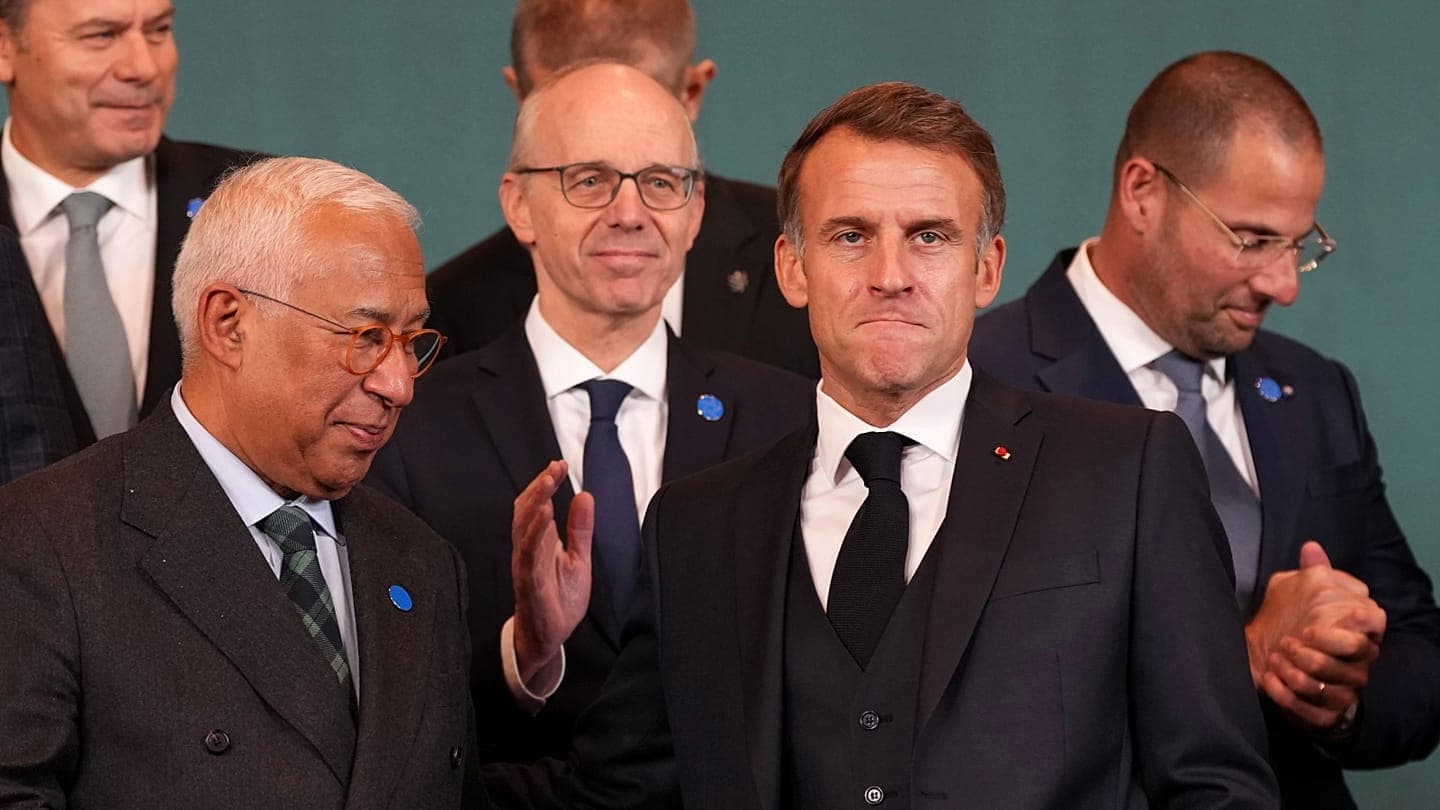
- European Council President António Costa is considered the frontrunner in the race for this role
- Ukraine and the US asked the Europeans to appoint a single representative for the talks
Kallas: Russia opposes her candidacy, but Moscow's choice is not the EU's business
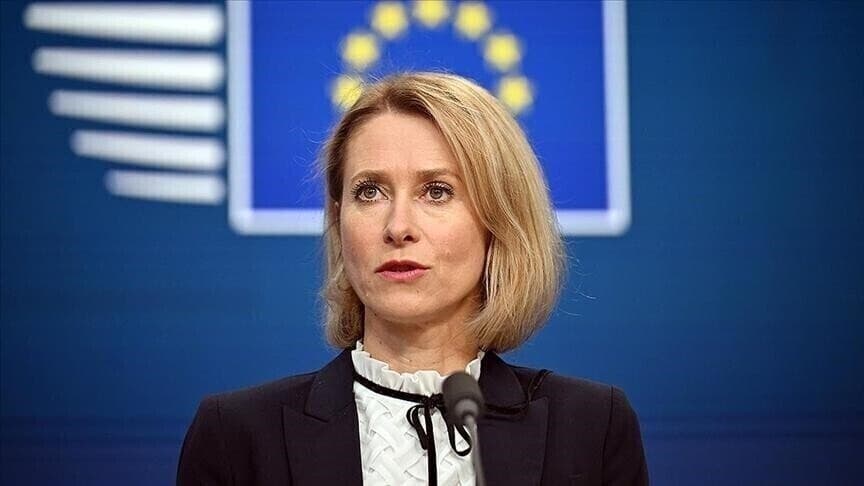
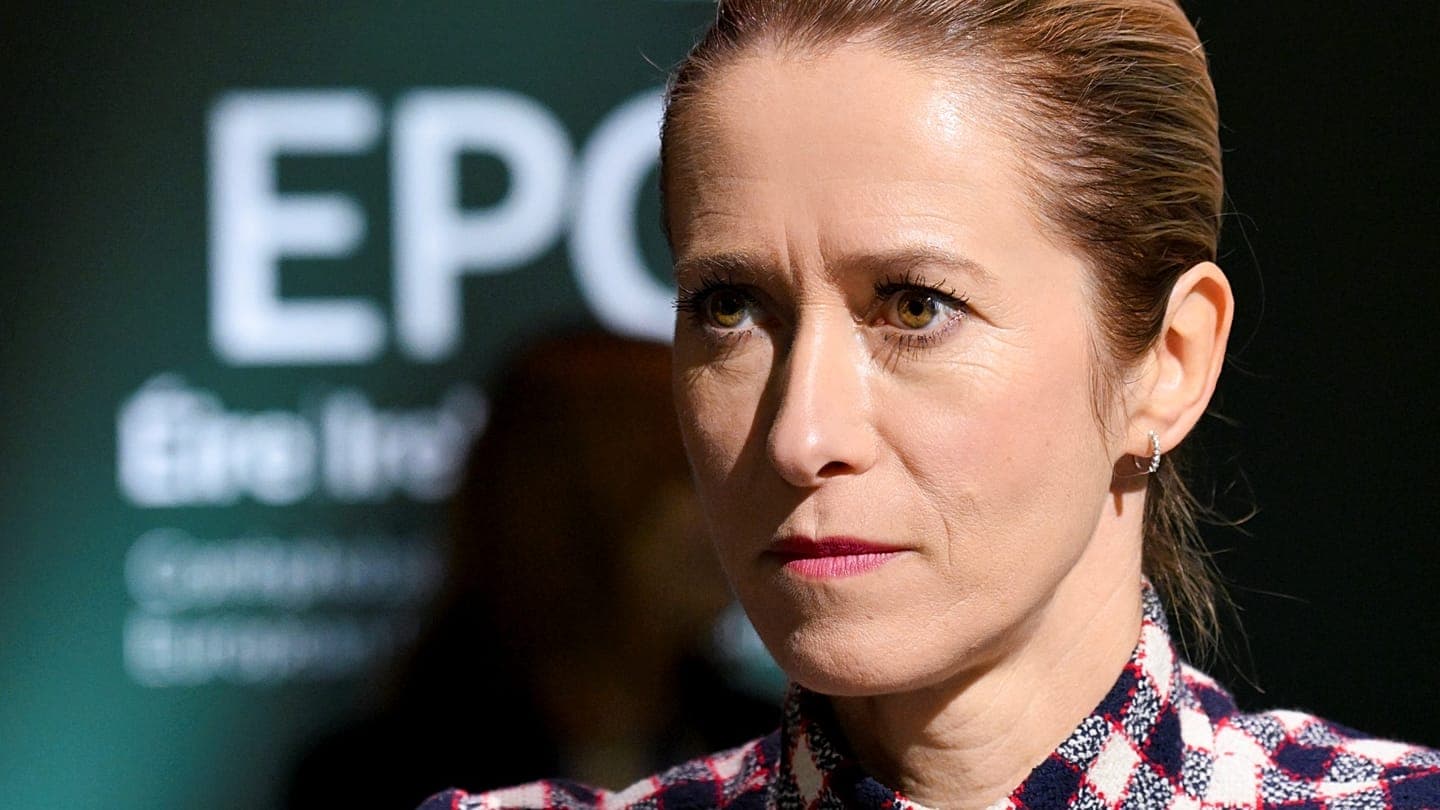
EU High Representative for Foreign Affairs Kaja Kallas said she is ready to become the European Union's special envoy at the talks on ending Russia's war against Ukraine, since, in her view, it is precisely the head of the foreign affairs portfolio who should take on this task. At the same time, she admitted: 'The Russians don't want me' at the table because of her 'hardline' views. 'But are we entitled to decide who represents Russia? No, we are not,' Kallas said on Friday morning in Dublin at an informal summit of EU heads of state and government, adding that the Union must have a 'strong team'.
Dispute over the candidacy and the frontrunner's position
Kallas recalled that in June 2024 EU leaders decided who represents the Union on security and foreign policy matters, on the assumption that talks with Russia would take place over these five years. In her words, the leaders may change that agreement, but the energy should be focused on the substance of the talks. She also spoke against copying the American model with two specially appointed envoys — Steve Witkoff and Jared Kushner — proposing instead to choose a person with a specific 'institutional role'. Under the Lisbon Treaty, foreign policy coordination is assigned to the High Representative, but representative functions are also provided for the President of the European Council, currently António Costa. The European Commission, in turn, handles sanctions, funding and enlargement — matters important to the diplomatic line. According to available assessments, Costa has quickly pulled ahead in this race and is considered the frontrunner for the special envoy role, while Kallas is seen in Brussels as a divisive figure and is increasingly being pushed to the periphery of top-level discussions.
Moscow's pressure and the unclear format of the talks
Kallas stressed that she is bound by the position of the member states: 'I do not represent myself. I represent 27 countries, as I have been doing for two years.' Asked whether part of Russia's aversion is linked to her Eastern European background, she replied that Moscow will resist 'any strong figure' at the negotiating table, seeking to push through maximal demands, as it has always done. 'If we give them the right to decide this, we are effectively giving them a lever of influence they should not have,' she said. The topic of a special envoy came to the fore after both Ukraine and the US asked the Europeans to appoint a single representative for the talks; leaders discussed the issue in Dublin. One senior diplomat warned that the debate over candidates risks 'amplifying divisions among Europeans, which is exactly what Russia wants,' and urged focusing on the position rather than the person of the representative. For now, the talks are taking place at a technical level, so it is unclear what role the envoy will play and at which table he will sit. The last meeting in Abu Dhabi was attended by senior officials from France, Germany, the UK, Italy, the European Commission, the European Council and NATO. Kallas acknowledged that the EU envoy will not be able to speak on behalf of the UK and Norway — two key supporters of Ukraine that are not part of the bloc.