The key facts
- Trump called the war with Iran 'effectively over' in a military sense; Marco Rubio said major combat operations are unnecessary
- Mohsen Rezaei denies talks with the US, calling American statements an attempt to lower oil prices
- Former US ambassador Ian Kelly describes the situation as a 'virtual ceasefire' and links its future course to the midterms, in which Democrats will win control of both chambers of Congress
The Sides' Statements Diverge
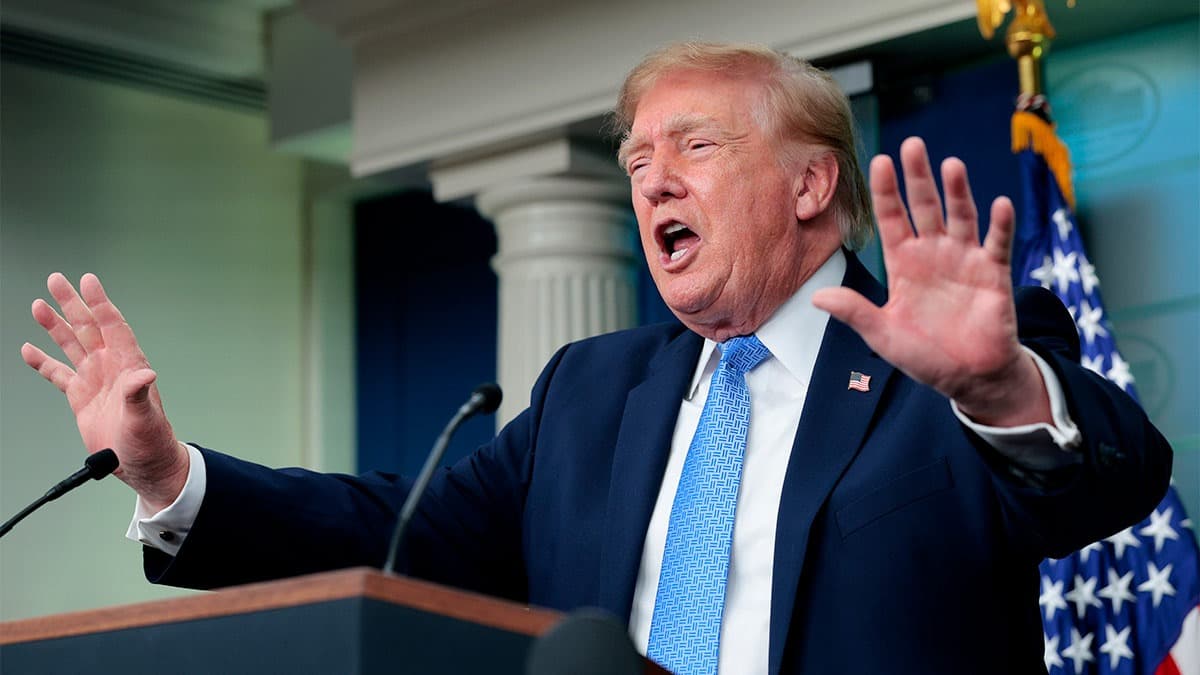
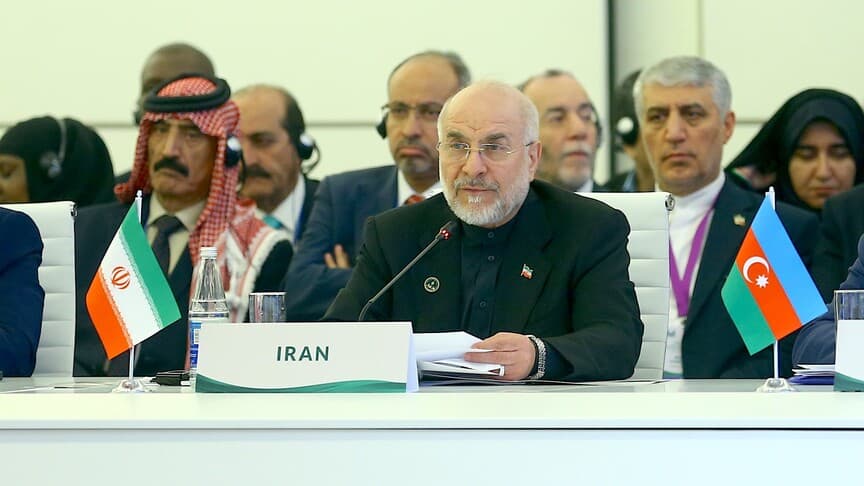
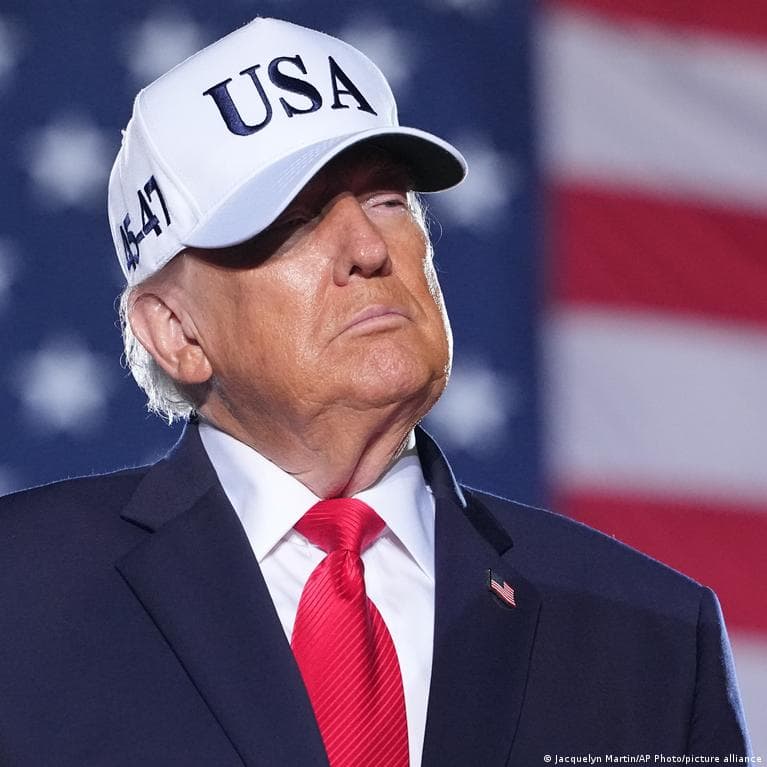
US President Donald Trump stated that the US and Israel's war with Iran is 'effectively over' in a military sense. Secretary of State Marco Rubio backed this assessment, saying there is 'no need for major combat operations' in Iran, since economic pressure and talks between the parties to the conflict are having an effect. However, Mohsen Rezaei, secretary of Iran's Supreme National Security Council, denied in an interview with the Lebanese channel Al Mayadeen that talks are happening at all: according to him, 'all American statements about continuing negotiations with Iran are aimed at easing economic pressure and lowering oil prices.'
A 'Virtual Ceasefire' and the Role of the Strait of Hormuz
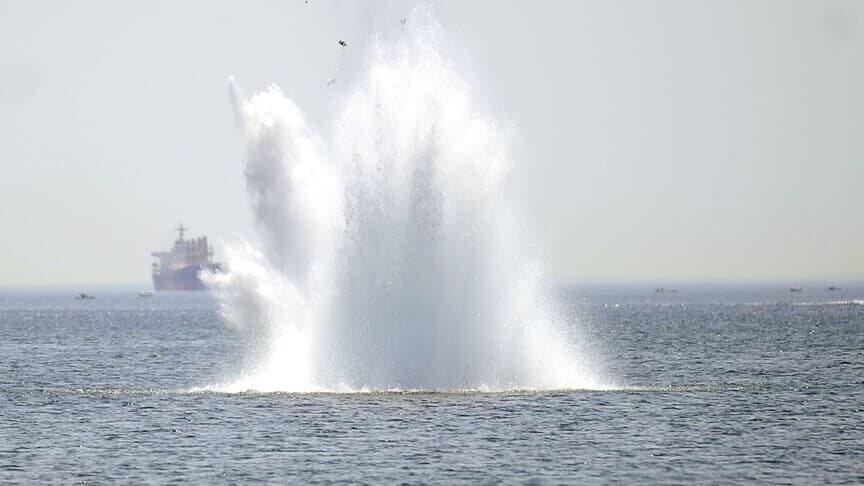
Neither side has announced a full end to the conflict. Ian Kelly, a former US ambassador now working at Northwestern University, characterized the current situation as something like a 'virtual ceasefire': de-escalation is significant, but the central issues remain unresolved. 'I wouldn't say the war is over. I would say there is no shooting, nothing truly significant,' he said in an interview with Deutsche Welle. In his view, the main issue is the opening of the Strait of Hormuz: Iran wants the withdrawal of American strike forces from the Persian Gulf, but that will not happen until Iran agrees to open the strait. Iran's attacks on commercial vessels in the strait have already driven up oil prices and affected the cost of living in the US and other countries.
What the Midterm Results Change
In the US midterm elections, Trump's Republicans suffered a heavy defeat, and next year the Democrats will gain control of the House of Representatives and the Senate. Kelly believes Iran is now biding its time, hoping Congress will cut or substantially limit funding for the war. At the same time, Iran's own resources are also being depleted — Iran affairs expert Ali Mohammadi noted earlier this week that Iran's restriction in the Strait of Hormuz is more economic than military in nature, since continuing the war takes a noticeable toll on its economy. For the Republicans themselves, Kelly assesses, the war has become a political problem: one factor in the defeat was the unfulfilled 2024 promise of an 'end to forever wars,' and the party needs to settle the conflict before the 2028 elections.
Bottlenecks and the Global Economy
The US administration says it is satisfied with the status quo of deterrence through a land and sea blockade, but Kelly believes that without progress on the stated goals — full control of the Strait of Hormuz and Iran's abandonment of enriched uranium — Trump's authority and that of his party will continue to decline. He considers both goals 'quite achievable,' but warns that even an attempt to achieve them could destroy the current relative lull: the White House, in his words, has 'painted itself into a corner' by making the prevention of an Iranian nuclear weapon its main goal, which Iran, in Kelly's view, will not refuse to discuss. For global markets, the expert notes, uncertainty persists: as long as the conflict remains a 'fake war,' a drop in oil prices is unlikely, since current prices already factor in the risk of instability returning. Kelly expects the conflict to be the main topic of the APEC summit in Shenzhen, where, according to available information, Trump, Vladimir Putin and Xi Jinping will meet; the G20 summit in Miami will follow in December. In his assessment, Russia is interested in the US remaining tied up in this conflict, while China — as a major oil buyer — is interested in its resolution.