The key facts
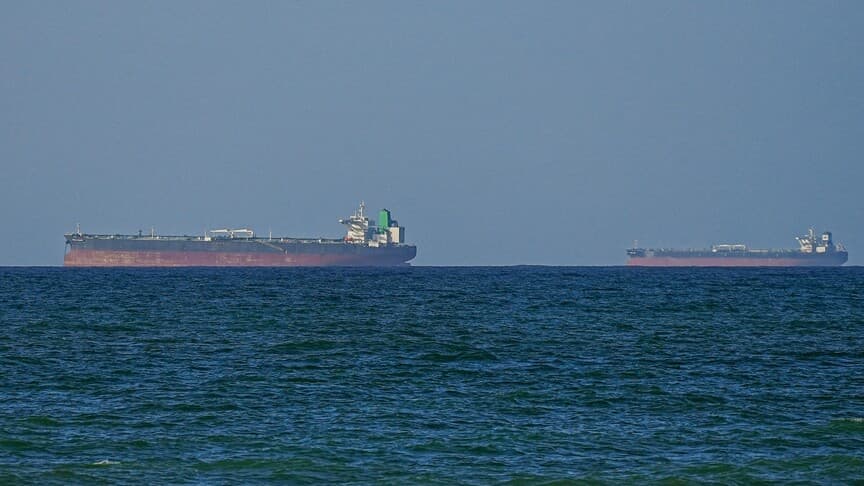
- Iran's IRGC Navy reports the explosion of two tankers carrying a combined total of more than 4 million barrels of oil in the Strait of Hormuz
- Tehran claims the vessels were traveling an 'unauthorized' route and 'cooperating with the American military'
- The vessels are not named; the incident comes amid a protracted standoff between Iran and the US
IRGC Navy statement on the incident
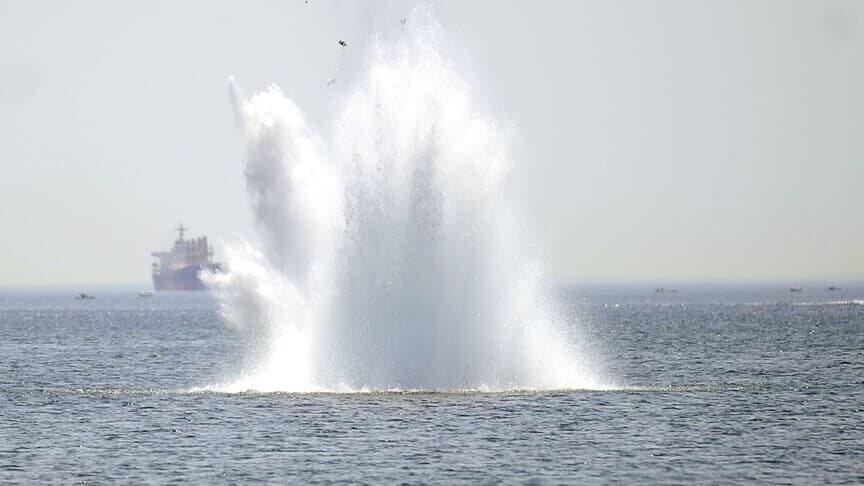
The Naval Forces of the Islamic Revolutionary Guard Corps (IRGC) announced on Thursday that two oil tankers exploded in the Strait of Hormuz after they 'ignored repeated warnings' about using an 'unauthorized' route. This was reported by the Anadolu agency citing a statement by the IRGC Navy distributed by Iran's ISNA news agency.
What Tehran claims
According to the IRGC Navy, the incident occurred late on Wednesday evening when the vessels were passing through the southern part of the strait, 'despite repeated warnings from the traffic control center.' The statement describes both vessels as supertankers carrying a combined cargo of 'more than 4 million barrels of oil'; after a 'powerful explosion,' they were, according to the statement, stopped.
Accusations and warning
The IRGC accused the crews of the vessels of 'cooperating with the American military,' calling it a 'smugglers' army,' and warned that 'any vessel in the Persian Gulf or the Strait of Hormuz that disables its navigation systems and cooperates with US forces to pass through the southern route will meet the same fate.' However, the statement does not name the vessels and provides no further details of the incident; the publication contains no independent confirmation of what happened.
Context of the confrontation
The incident comes amid continuing tensions between Iran and the United States over shipping through the Strait of Hormuz — one of the world's key arteries for energy supplies and an important subject of negotiations between the two sides. According to Anadolu, the war began with US and Israeli attacks on Iran on February 28; a ceasefire was reached in April, but clashes between Washington and Tehran resumed after the talks reached a deadlock, despite the signing of a memorandum of understanding in June. Who exactly owns the damaged vessels and the extent of the damage remain unknown.