The key facts
- Ghalibaf: 'The ball is now in the Americans' court — they must make a decision'
- Seven Iranian conditions named: lifting the blockade, sanctions, unfreezing assets, ending the war
- Tehran allows a deal if previous agreements are honored, but calls distrust the main obstacle
Tehran awaits Washington's decision
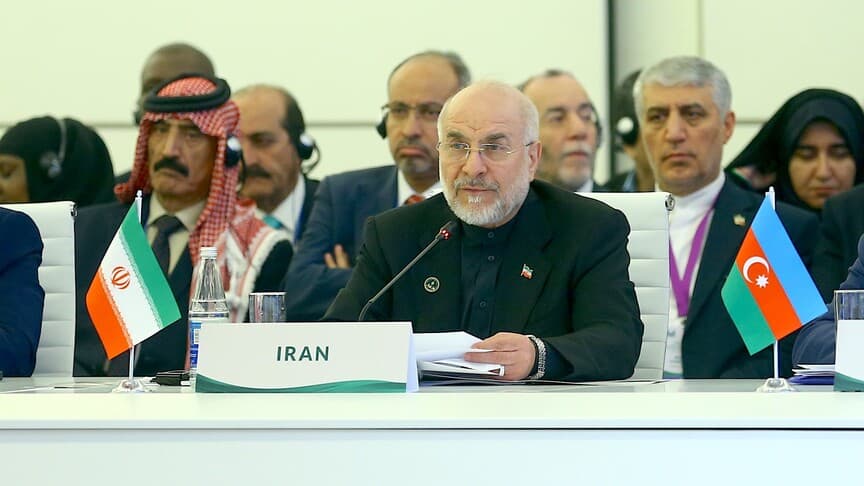
Speaker of Iran's parliament and the country's chief negotiator Mohammad Bagher Ghalibaf said in an interview with Al Jazeera that Tehran has sent the United States a 'clear and transparent' response containing its demands, but no official or concrete reply has yet come from Washington. 'The ball is now in the Americans' court. They must make a decision and announce it,' — the Anadolu outlet quotes his words.
Conditions and warnings
According to Ghalibaf, Iran's priority is peace if Washington accepts its conditions; Tehran does not want to continue the months-long war. At the same time, he warned that if military operations resume by decision of US President Donald Trump, Washington 'will face a new defeat,' and Iran will respond to any attack by the US or Israel, confronting 'both.' He reiterated that Washington must fulfill Iran's seven conditions for reopening the Strait of Hormuz and resuming negotiations, and added that the strait will no longer return to its pre-war state — its future mechanisms are part of the proposed agreement. Ghalibaf also accused the US of a blockade that restricts food supplies and disrupts trade and healthcare.
Obstacles to a deal
Ghalibaf named Tehran's distrust of Washington and, in his assessment, excessive American demands as the main obstacles to an agreement. He confirmed that the Iranian negotiating team has not changed and that he himself continues to lead the negotiations, and that a deal is possible if the US fulfills previous agreements and does not undermine trust. According to him, American officials visited Moscow and asked Russian President Vladimir Putin to facilitate direct talks with Iran. He also stated that ending the war against Iran and, as Tehran put it, the 'resistance front' is included in the memorandum of understanding and is one of the seven conditions, and warned that continued hostilities would harm the security and economies of the countries of the region.
Negotiations context
The statements came amid diplomatic efforts to end the conflict between Iran and the US, which began with the American-Israeli strikes on Iran on February 28. According to previous reports cited by Anadolu, Iran's seven conditions include lifting the naval blockade, guarantees of safe passage for merchant ships and tankers through the Strait of Hormuz, the removal of unilateral sanctions, exempting Iranian oil exports from restrictions, unfreezing Iranian assets, Tehran's right to keep nuclear materials on its territory, and an end to the war. Mediation between the sides, including by Pakistan and Oman, is complicated by disagreements over sanctions, security guarantees, and the Strait of Hormuz. Ghalibaf separately noted that Tehran intends to exit the current state of 'neither war nor peace' — either through negotiations or through sustainable deterrence.