The key facts
- Gadi Eisenkot's bloc plans to repeal five laws passed under Netanyahu before the new government is formed
- Four special Knesset committees will be created; most will be chaired by Yair Golan's Democrats party
- Knesset legal adviser: repealing the judicial laws is possible relatively quickly, the media law is more complicated
Plan to repeal before coalition formation
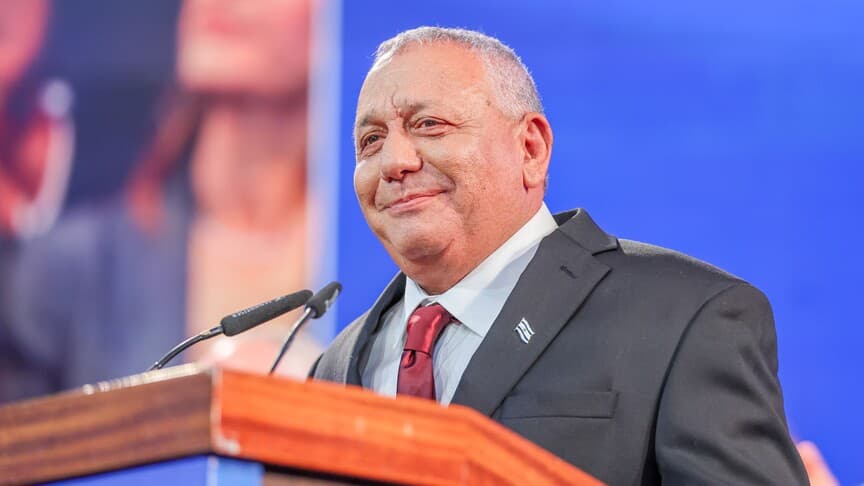
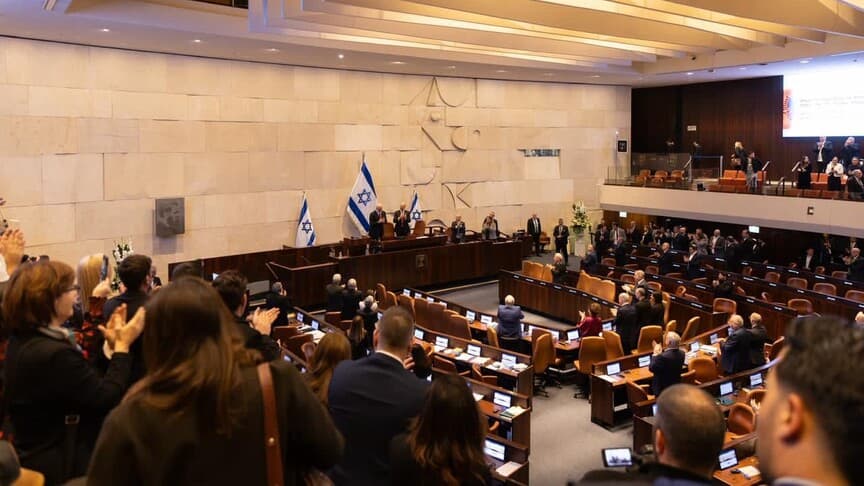
The bloc of Yeshar party leader Gadi Eisenkot intends to repeal five major laws passed during Prime Minister Benjamin Netanyahu's era before the new Israeli government takes office. According to the Israeli newspaper Israel Hayom, party leaders agreed to create special parliamentary committees that will work to repeal the laws simultaneously; most of the committees are expected to be chaired by Yair Golan's Democrats party. The initiative targets legislation that, in the view of opponents, strengthened political influence over independent institutions and weakened checks on government power.
Judicial system and police oversight
One committee will handle two laws affecting the judiciary and the government's legal oversight. The first changed the composition of the judicial appointments committee: instead of two representatives of the Israel Bar Association, it now includes lawyers chosen by the ruling coalition and the opposition; critics said this increased political influence over judicial appointments. The second law divided the powers of the attorney general between the government's legal adviser and the chief prosecutor, expanded the government's control over the appointment and dismissal of its legal adviser, and allowed the cabinet to reject legal opinions or engage outside representatives. The second committee will seek to repeal changes to the unit investigating alleged crimes by police officers: the law removed it from the direct oversight of professional prosecutors and gave the justice minister significant influence over the appointment of its head. Opponents warned that this could politicize investigations and undermine the unit's independence.
Media law and the prime minister's incapacity clause
The third committee will handle the media law, which lifted restrictions on cross-ownership of television channels and newspapers and abolished the institutional separation between editorial staff and their owners' commercial interests. The law also introduced official audience measurements for allocating state advertising — a mechanism critics believed could favor broadcasters loyal to the government. The fourth committee will seek to repeal an amendment that limited the grounds for declaring a prime minister incapacitated to physical or mental incapacity; opponents argued the measure was passed to protect Netanyahu during his corruption trial. The Supreme Court postponed its application until the next Knesset, preventing it from taking effect during the parliamentary term in which it was passed.
Timeline and negotiation context
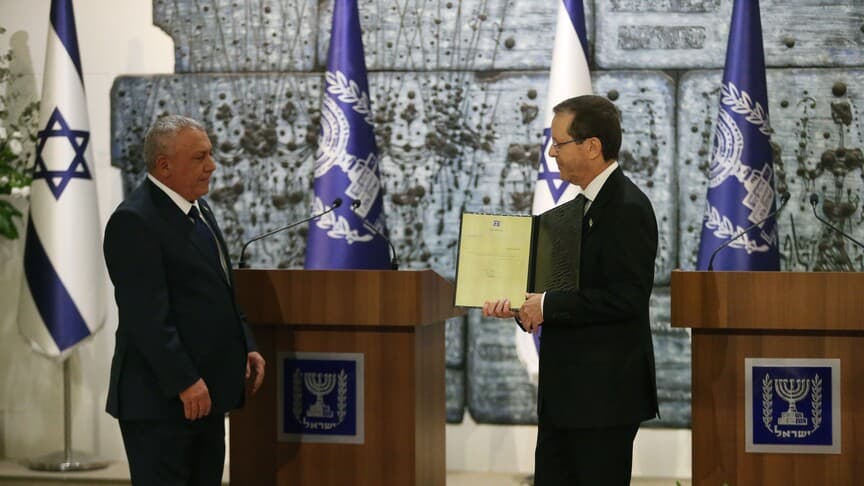
According to Israel Hayom, the Knesset's legal adviser told the bloc's leaders that repealing the judicial measures could proceed relatively quickly, while repealing the media law would be more complicated. The initiative unfolds against the backdrop of Eisenkot's coalition talks: on Sunday, President Isaac Herzog formally tasked him with forming a government, giving him 28 days with a possible 14-day extension.