The key facts
- The opposition and Arab parties pushed through the decision to establish the Arrangements Committee by 63 votes to 50
- Roy Folkman of Gadi Eisenkot's Yashar party is to chair the committee
- The opposition and Arab factions together hold 67 of 120 mandates — more than the required 61
Netanyahu's bloc suffers its first defeat in the new Knesset
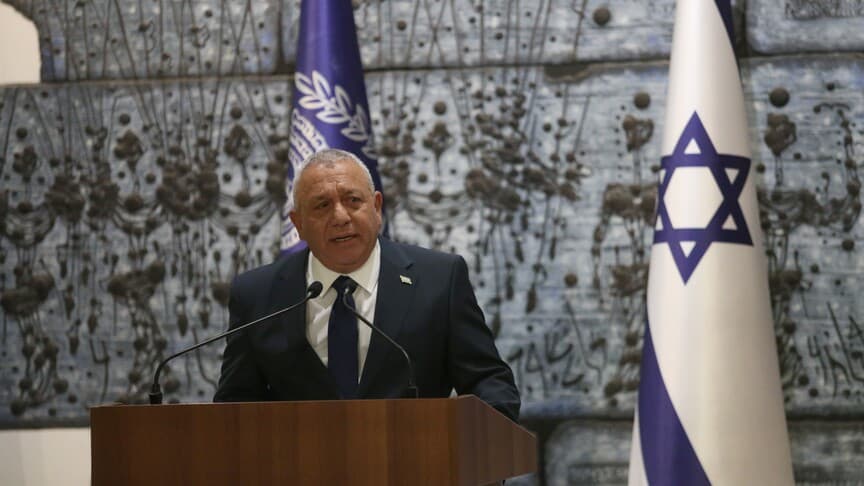
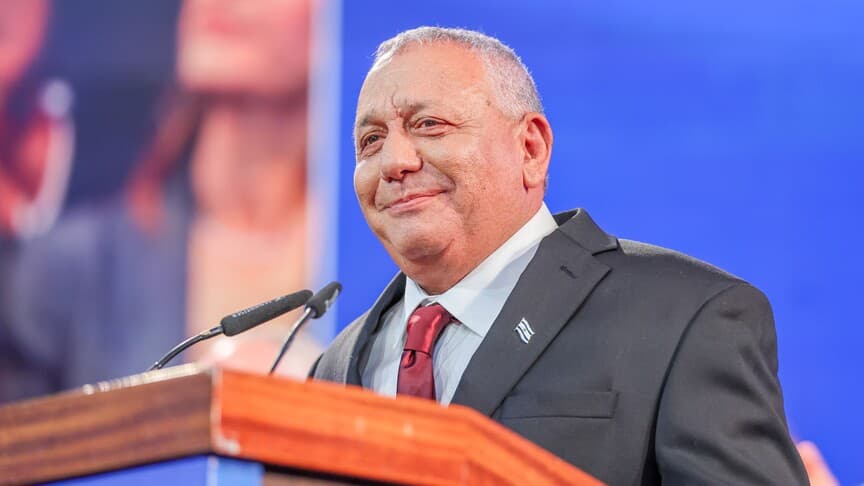
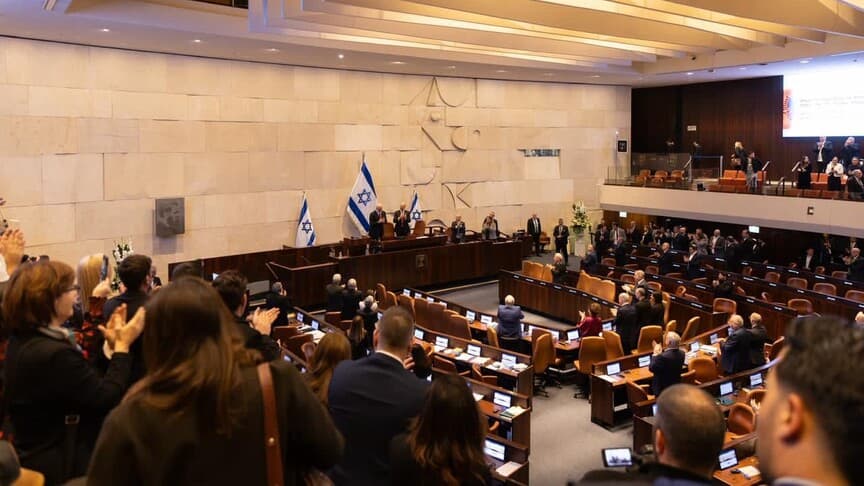
The bloc of Israeli Prime Minister Benjamin Netanyahu has suffered its first parliamentary defeat in the newly elected Knesset: opposition and Arab parties secured a majority in the vote on establishing the Arrangements Committee. The proposal passed with 63 votes in favor and 50 against, and Roy Folkman of Gadi Eisenkot's Yashar party is to chair the committee. This was reported by the Anadolu agency, citing a statement by the Knesset, according to which the deputies approved the draft submitted by Folkman on establishing the committee and determining its composition.
Seat distribution and Likud's reaction
Under the approved scheme, Netanyahu's Likud party will receive five seats on the committee, while Yesh Atid, the Joint List, the Democrats, and the United Arab List (Ra'am) will each receive two. Yisrael Beiteinu, Otzma Yehudit, Torah and Sabbath, Shas, and Religious Zionism will each receive one seat. Ahead of the vote, the Yashar party announced an agreement with other factions of the opposition 'Change Bloc' to appoint Folkman as chairman.
The committee's role and next steps
According to data from the Israel Democracy Institute cited by Anadolu, the Arrangements Committee is responsible for organizing parliamentary work at the start of the new term: its main task is to propose the composition of the standing committees, after which its functions will pass to the Knesset committee. Traditionally, the committee is chaired by a deputy from the party whose leader received the mandate to form a government. On Tuesday, November 17, the Knesset is to elect a new speaker to replace the departing Likud deputy Amir Ohana; in the coming days, the Foreign Affairs and Defense Committee is also expected to be established, which, as expected, will be chaired by Yisrael Beiteinu leader Avigdor Lieberman.
What lies behind the vote
The significance of the vote goes beyond a procedural matter. In the October 27 elections, Netanyahu's bloc won 53 mandates, the opposition parties 48, and the Arab parties 19 in the 120-seat Knesset. Together, the opposition and Arab factions hold 67 seats — more than the 61 needed to form a government and pass legislation — so their ability to push through decisions was demonstrated at the very first vote. Likud criticized the outcome, stating that the parties of Eisenkot, Lieberman, and Naftali Bennett 'took the side' of the Arab deputies Ahmad Tibi and Mansour Abbas, and called for an end to cooperation with the Arab parties, accusing them of supporting terrorism and boycotting the national anthem. These accusations remain the party's position, not an established fact.