The key facts
- In his letter to Netanyahu, Eisenkot pointed out that only 46 of the 120 Knesset members support him
- Eisenkot received the mandate to form a government on November 8 from factions representing 67 members
- He has 28 days to build a coalition, with a possible 14-day extension
Letter to the caretaker prime minister
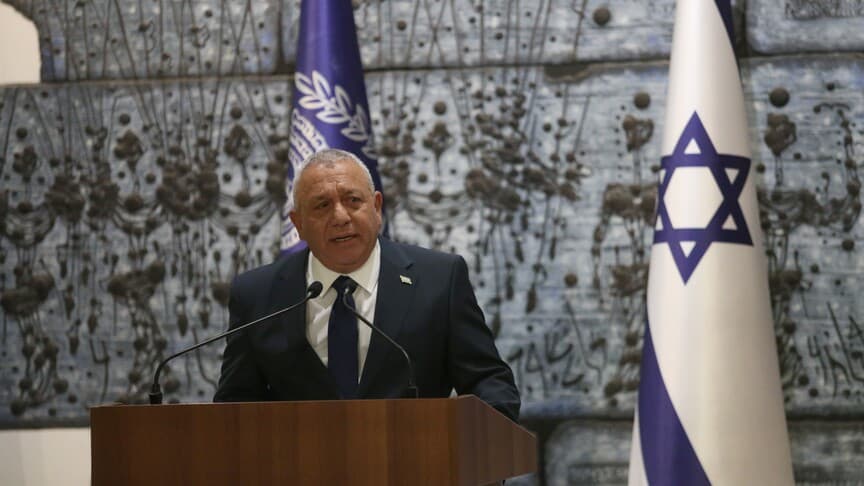
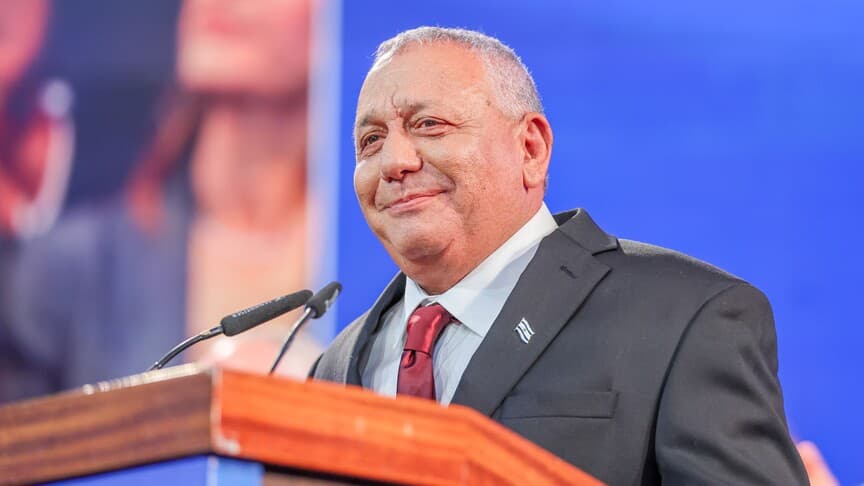
Yashar party leader Gadi Eisenkot, whom President Isaac Herzog tasked with forming Israel's next government, sent incumbent Prime Minister Benjamin Netanyahu a letter warning against military or force operations in the absence of an immediate and imminent threat. According to Eisenkot, Netanyahu heads a transitional government that no longer enjoys the Knesset's confidence: 'Your continued work as prime minister is supported by only 46 Knesset members.' He stressed that during the politically sensitive transition period the prime minister bears special responsibility for caution in making security decisions, and warned that deploying forces without a direct and urgent threat 'could have destructive consequences for Israeli democracy and for society's trust in state institutions.' Eisenkot called on Netanyahu to show national responsibility and restraint and not to take 'dangerous steps' that could wait until a government enjoying parliament's confidence takes office.
Context of the mandate and negotiations
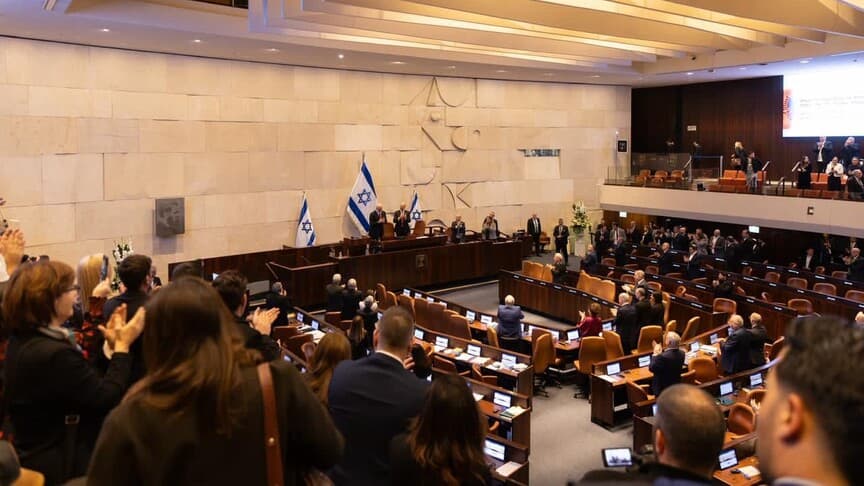
Herzog officially handed Eisenkot the mandate to form a cabinet on Sunday, after parliamentary factions representing 67 members recommended his candidacy, while Netanyahu was supported by 46 members; seven refrained from recommending anyone. In the October 27 election, Netanyahu's bloc won 53 seats, the opposition 48, and the Arab parties 19 in the 120-seat Knesset, with neither major bloc winning an absolute majority. Eisenkot has 28 days to form a coalition, with a possible 14-day extension. Negotiations are complicated by disagreements among future coalition partners over cooperation with the Arab parties and by the ultra-Orthodox factions' demands for exemption from military service. On Monday, Eisenkot and Yisrael Beiteinu leader Avigdor Lieberman agreed to hold talks with the ultra-Orthodox parties, while Lieberman rejected forming a government relying on the Arab parties. Democrats party leader Yair Golan, for his part, said the new government could be formed within three weeks and advocates cooperation with the United Arab List (Ra'am) and support from the Arab joint list.